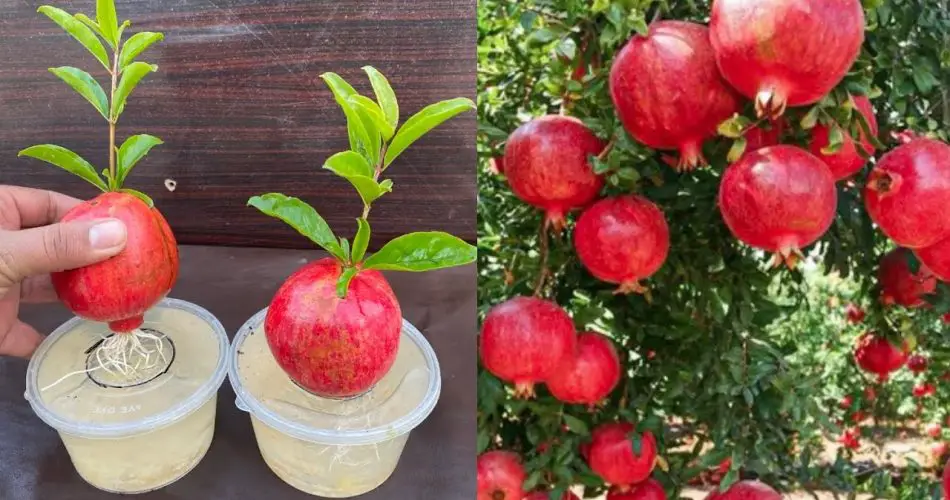
Growing pomegranate trees from pomegranate fruit is a rewarding endeavor that allows you to enjoy the beauty and bounty of these nutritious fruits right in your own backyard. Pomegranates are not only delicious but also packed with antioxidants and vitamins, making them a valuable addition to any garden. Here’s a comprehensive guide on how to grow pomegranate trees from pomegranate fruit:
- Selecting Ripe Pomegranate Fruit: Start by selecting ripe and healthy pomegranate fruits from your local market or grocery store. Look for fruits that are heavy for their size, with vibrant red or reddish-purple skin and firm texture. Avoid fruits that are blemished or soft to the touch.
- Extracting the Seeds: Carefully cut open the ripe pomegranate and remove the seeds from the pulp. You can do this by gently separating the seeds from the membrane with your fingers or by gently tapping the fruit with a spoon to release the seeds. Rinse the seeds under running water to remove any remaining pulp.
- Preparing the Seeds for Planting: After rinsing, spread the seeds out on a paper towel and allow them to air dry for a few hours. This step helps prevent mold and fungal growth during germination.
- Planting the Seeds: Fill small pots or seedling trays with a well-draining potting mix. Make small indentations in the soil and place one or two pomegranate seeds in each indentation. Cover the seeds lightly with soil and gently pat it down to ensure good soil contact.
- Providing Ideal Growing Conditions: Place the pots or trays in a warm, sunny location where they will receive plenty of sunlight. Pomegranate trees thrive in full sun and warm temperatures, so ensure they get at least 6-8 hours of sunlight per day. Keep the soil consistently moist but not waterlogged.
- Transplanting Seedlings: Once the seedlings have grown to a height of about 6 inches and have developed several sets of true leaves, they can be transplanted into larger pots or directly into the garden. Choose a well-drained location with fertile soil for planting.
- Caring for Your Pomegranate Trees: Water the young trees regularly, especially during dry periods. Fertilize them with a balanced fertilizer formulated for fruit trees in early spring and midsummer. Prune the trees as needed to remove dead or diseased branches and encourage healthy growth.
- Protecting Against Pests and Diseases: Keep an eye out for pests such as aphids, mealybugs, and scale insects, which can infest pomegranate trees. Use organic or chemical insecticides as necessary to control infestations. Additionally, watch for signs of fungal diseases such as powdery mildew and treat promptly with fungicides.
- Harvesting Pomegranates: Depending on the variety, pomegranate trees typically bear fruit within 2-3 years of planting. Harvest the fruits when they are fully ripe, which is indicated by their vibrant color and slightly soft texture. Cut the fruits from the tree with sharp pruning shears, leaving a small portion of the stem attached.
By following these steps, you can successfully grow pomegranate trees from pomegranate fruit and enjoy a bountiful harvest of delicious, nutritious fruits. With proper care and attention, your pomegranate trees will thrive and provide you with years of beauty and flavor in your garden. Happy gardening! 🌳🌿
Show Comments