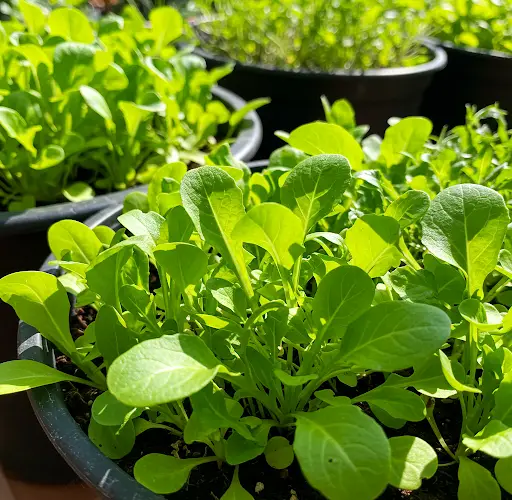
Mesclun, a delightful mix of tender young salad greens, is one of the easiest and most rewarding crops to grow in containers. With its fast-growing nature and colorful variety of flavors and textures, mesclun is a perfect choice for home gardeners—even those with limited space. This planting guide will walk you through the simple steps to grow your own fresh, flavorful mesclun from seed in containers.
What is Mesclun?
Mesclun is not a specific plant but a mix of leafy greens and herbs, traditionally including lettuces, arugula, endive, mustard greens, chervil, and more. You can find pre-mixed mesclun seed blends, or you can create your own by mixing seeds of your favorite tender greens. The goal is to harvest young, baby leaves that are ideal for salads.
Choosing the Right Container
Mesclun doesn’t require deep soil, making it ideal for shallow containers. Choose a container that is at least 6 to 8 inches deep and has good drainage holes. Window boxes, trough planters, and even repurposed containers like wooden crates or shallow plastic bins can work well.
Since mesclun is often harvested as a cut-and-come-again crop, a wide surface area is more important than depth. The more surface space your container offers, the more greens you can grow and harvest.
Preparing the Soil
Mesclun prefers loose, fertile, well-draining soil. Use a high-quality potting mix designed for container gardening. To boost fertility and water retention, you can mix in compost or worm castings. Avoid using garden soil, which can be too heavy and may not drain well in containers.
Fill your container almost to the top, leaving about an inch below the rim to prevent water overflow during watering.
Sowing the Seeds
Mesclun seeds are small and easy to plant. Since the goal is to grow a dense patch of baby greens, you don’t need to space them widely.
-
Sprinkle the seeds evenly over the surface of the soil.
-
Lightly press them into the soil or cover with a very thin layer (about 1/8 inch) of soil or fine compost.
-
Gently water the container using a fine mist spray or watering can with a rose attachment, being careful not to dislodge the seeds.
If you’re planting outdoors, wait until all danger of frost has passed. However, mesclun grows well in cooler weather and can be started indoors and moved outside later or even grown indoors year-round with adequate light.
Germination and Early Care
Mesclun seeds typically germinate within 5 to 10 days, depending on the mix and weather conditions. Keep the soil consistently moist during germination, but avoid overwatering, which can lead to fungal issues.
Once the seeds sprout, place the container in a location that receives at least 4 to 6 hours of sunlight per day. If you’re growing indoors, a bright south-facing window or grow lights will ensure healthy, vibrant growth.
Thin the seedlings lightly if they appear overcrowded. This gives the remaining plants more room to develop tender, healthy leaves.
Watering and Feeding
Mesclun grows quickly, so it’s important to maintain consistent moisture. Check the soil daily—especially in warmer weather—and water as needed to keep it evenly moist but not soggy.
Although mesclun doesn’t require heavy feeding, you can apply a diluted liquid organic fertilizer every 2 to 3 weeks to encourage lush growth. Compost tea or a balanced liquid vegetable fertilizer works well for this purpose.
Harvesting Mesclun
One of the best parts about growing mesclun is how quickly you can enjoy your first harvest. Most mesclun mixes are ready to begin harvesting in just 3 to 4 weeks.
To harvest, use clean scissors to snip the outer leaves when they’re about 3 to 5 inches tall. Avoid cutting into the crown (the center of the plant), as this will allow the inner leaves to continue growing. This method is called “cut-and-come-again” and can provide multiple harvests from the same planting.
Alternatively, you can harvest the entire patch at once if you prefer a single larger yield, then re-seed the container for continuous production.
Succession Planting
For a steady supply of fresh greens, plant mesclun seeds every 2 to 3 weeks. This staggered planting method—known as succession planting—ensures that while one container is being harvested, another is growing and getting ready to produce. You can rotate several containers this way for a nearly continuous harvest through the spring, fall, and even winter indoors.
Common Issues to Watch For
-
Bolting: In hot weather, mesclun greens—especially lettuce and mustard—can bolt, meaning they send up flower stalks and become bitter. To avoid this, grow mesclun in partial shade during summer or plant heat-tolerant varieties.
-
Pests: Aphids, slugs, and flea beetles may occasionally target mesclun. Inspect your greens regularly, and use natural pest control methods like neem oil or hand-picking when needed.
-
Overwatering: Make sure your container drains well. Yellowing leaves or moldy soil can be signs of too much water.
Conclusion
Growing mesclun in containers is one of the simplest and most satisfying ways to enjoy fresh, homegrown salad greens. With just a little space, quality soil, and regular care, you can harvest a flavorful variety of greens in just a few weeks. Whether you’re a seasoned gardener or a beginner, mesclun offers a low-maintenance, high-reward crop that thrives in containers all year round.


