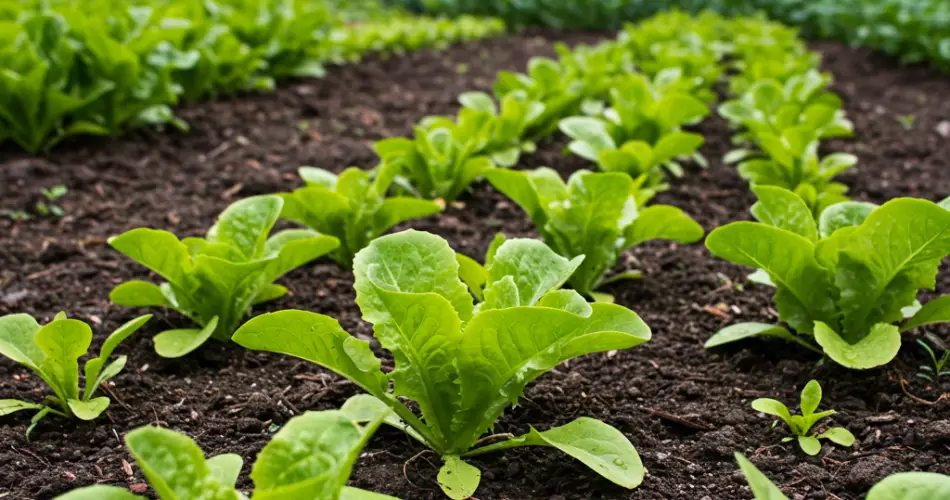
Lettuce is a garden staple beloved by many for its fresh, crisp leaves and versatility in salads, sandwiches, and more. Growing lettuce in your garden is easier than you might think, even if you’re new to gardening. With a bit of knowledge and care, you can harvest fresh, flavorful lettuce right from your own backyard that will pleasantly surprise you with its quality and quantity.
Whether you have a large garden or just a small patch, lettuce is an excellent choice for gardeners of all levels. Here’s a complete guide to growing lettuce that will impress you with its simplicity and results.
Why Grow Lettuce in Your Garden?
Homegrown lettuce offers many benefits:
-
Freshness: Nothing compares to lettuce picked fresh from your garden.
-
Variety: You can grow different types of lettuce that are not always available at grocery stores.
-
Health: Organic home gardening lets you avoid pesticides and grow healthier food.
-
Cost-saving: Growing your own greens is budget-friendly, especially if you consume lettuce regularly.
-
Gardening satisfaction: Watching lettuce grow is rewarding and encourages you to continue gardening.
Choosing the Right Lettuce Varieties
Lettuce comes in many shapes, sizes, and flavors. Choosing the right variety depends on your taste preferences, climate, and growing season.
-
Leaf lettuce: Loose leaves, easy to harvest continuously.
-
Romaine (cos): Crunchy leaves with a slightly bitter taste.
-
Butterhead (Boston or Bibb): Soft, tender leaves with a sweet flavor.
-
Crisphead (Iceberg): Dense heads, best suited for cooler climates.
For beginners, leaf lettuce is recommended because it’s easy to grow and harvest multiple times.
Preparing Your Garden Bed
Lettuce thrives in well-drained, fertile soil. Prepare your garden bed by:
-
Loosening the soil to about 8 to 12 inches deep.
-
Adding plenty of organic matter such as compost or well-rotted manure to improve fertility and moisture retention.
-
Ensuring the soil pH is between 6.0 and 7.0, which is ideal for lettuce growth.
Raised beds or containers also work well if you have limited garden space.
Planting Lettuce
You can grow lettuce from seeds or seedlings, but starting with seeds is economical and rewarding.
-
Sow seeds about ¼ inch deep, spacing them about 1 inch apart.
-
For leaf lettuce, you can plant densely as you will thin seedlings later.
-
For head lettuce, thin plants to about 8 to 12 inches apart to give room for full heads to form.
-
Lettuce prefers cooler temperatures, so plant in early spring or fall for best results.
-
You can also do successive sowing every two weeks for a continuous harvest.
Watering and Sunlight Needs
Lettuce needs consistent moisture to grow crisp and tender leaves. Here’s how to care for your plants:
-
Water regularly to keep the soil moist but not soggy.
-
Avoid overhead watering to reduce the risk of disease; drip irrigation or watering at the soil level is ideal.
-
Lettuce grows best in full sun to partial shade. In hot climates, providing afternoon shade helps prevent bolting (going to seed prematurely).
-
Mulching around plants helps retain moisture and keeps soil cool.
Fertilizing Lettuce
Lettuce is a fast-growing plant that benefits from regular feeding.
-
Use a balanced fertilizer or one high in nitrogen to promote leafy growth.
-
Apply fertilizer before planting and side-dress every few weeks.
-
Organic options like compost tea or seaweed extract work well for sustainable gardening.
Preventing Pests and Diseases
Lettuce can attract pests and diseases but most are manageable with early detection.
-
Slugs and snails: Common garden pests that love tender lettuce leaves. Use barriers, traps, or organic slug pellets.
-
Aphids: Small insects that suck plant sap. Spray plants with water or insecticidal soap.
-
Downy mildew and leaf spot: Fungal diseases that thrive in wet conditions. Ensure good air circulation and avoid wetting foliage.
-
Rotate crops and avoid planting lettuce in the same spot every year to reduce soil-borne diseases.
Harvesting Your Lettuce
Harvesting lettuce is quick and satisfying.
-
For leaf lettuce, pick outer leaves when they are 3-4 inches long, allowing inner leaves to keep growing.
-
For head lettuce, harvest the entire head when it feels firm and fully formed.
-
Harvest in the morning when leaves are crispest.
-
Avoid leaving lettuce too long as it may become bitter or bolt in hot weather.
Surprising Benefits of Growing Lettuce
Beyond its culinary uses, lettuce offers some surprising perks:
-
Air purification: Lettuce plants help improve indoor and outdoor air quality.
-
Mood booster: Gardening and caring for plants like lettuce can reduce stress and improve well-being.
-
Attracts beneficial insects: Lettuce flowers attract pollinators and other helpful insects to your garden.
Final Tips for Growing Lettuce Successfully
-
Start indoors or buy seedlings to get a jumpstart on the growing season.
-
Use row covers to protect young plants from pests.
-
Keep an eye on weather forecasts and provide shade during heatwaves.
-
Experiment with different varieties to discover your favorites.
Conclusion
Growing lettuce in your garden is an easy, rewarding endeavor that will surprise you with its simplicity and results. With the right variety, good soil preparation, proper watering, and timely harvesting, you can enjoy fresh, delicious lettuce all season long. Whether you have a large garden or a small patch, lettuce is a perfect addition that will delight your taste buds and impress your friends and family.
Start your lettuce garden today and discover the joy of growing your own fresh greens!