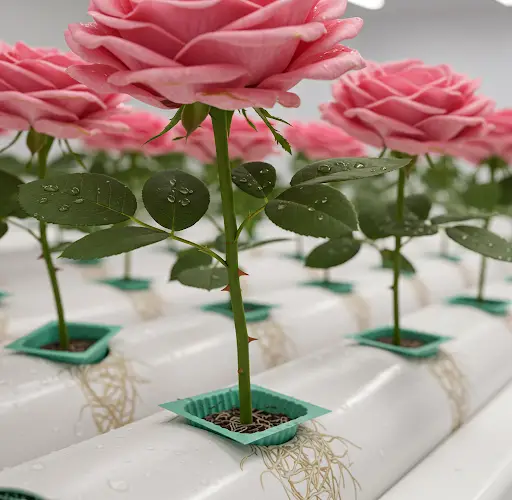
Growing roses hydroponically might sound like a complicated process, but with the right setup and care, it’s possible to make rose cuttings sprout roots quickly—sometimes overnight. Hydroponics eliminates the need for soil by providing plants with direct access to nutrient-rich water, accelerating root development and supporting faster, healthier growth.
For those interested in a clean, efficient way to propagate roses at home, hydroponic systems offer impressive results. Here’s a complete guide to growing hydroponic roses and boosting your chances of rapid rooting—even in as little as 24 hours.
Why Choose Hydroponics for Roses?
Hydroponic gardening provides optimal conditions for root formation because:
-
The cuttings have direct access to water and nutrients.
-
The risk of soil-borne diseases and pests is eliminated.
-
Oxygen-rich environments encourage rapid root development.
-
Controlled pH and temperature levels help cuttings adapt and grow more efficiently.
Many gardeners turn to hydroponics when they want faster propagation without the mess of soil or compost.
What You’ll Need
To grow roses hydroponically and make them root quickly, gather the following supplies:
-
Fresh rose cuttings (6–8 inches long)
-
A small hydroponic setup or DIY system (bucket, jar, or net pot)
-
Distilled or purified water
-
A rooting hormone (optional but helpful)
-
Hydrogen peroxide or cinnamon (to prevent rot)
-
An air pump with air stone (for oxygenation)
-
LED grow light or access to bright, indirect light
-
Nutrient solution (optional in early stages)
Step-by-Step Guide to Hydroponic Rose Propagation
1. Select and Prepare the Cuttings
Choose strong, disease-free stems from a healthy rose bush. Cut about 6–8 inches of green stem with several nodes and at least one or two leaves on top. Remove all flowers and the lower leaves, leaving just the topmost ones.
Trim the bottom of the cutting at a 45-degree angle just below a node. You can gently scrape the lower inch of the stem to expose more cambium (the green layer under the bark), which can stimulate faster rooting.
Optional: Dip the cut end in rooting hormone or natural alternatives like cinnamon or aloe vera gel.
2. Prepare the Hydroponic Setup
If you don’t have a commercial hydroponic kit, you can easily make your own system using a jar or bucket, a net pot, and an air pump:
-
Fill the jar or container with distilled water.
-
Add a small amount of hydrogen peroxide (a few drops per liter) to keep the water clean.
-
Insert the cutting into a net cup filled with a light medium (like foam, perlite, or coco coir) that holds the stem in place.
-
Ensure the cut end is submerged about 1–2 inches in the water.
-
Add an air stone connected to an air pump to oxygenate the water.
This setup mimics the conditions of professional hydroponic systems and supports healthy root development.
3. Lighting and Temperature
Place your setup in a location with plenty of bright, indirect light. If natural light is limited, use a full-spectrum LED grow light positioned about 6–12 inches above the plant.
Maintain a stable temperature between 20–25°C (68–77°F). Warmer conditions help stimulate faster rooting, especially when combined with high humidity.
If desired, cover the cuttings with a clear plastic dome to trap humidity and create a mini greenhouse effect.
How Fast Will Roots Appear?
Under optimal conditions—consistent oxygenation, warmth, and light—some rose cuttings may show root bumps or fine white roots in as little as 24–48 hours. While not all cuttings will root this quickly, hydroponics significantly shortens the usual waiting time compared to soil propagation.
You can gently lift the cutting to inspect for early root development. Once roots reach about 1–2 inches long, you can transfer the cutting to a more advanced hydroponic system or pot it into soil if desired.
Caring for Hydroponic Rose Cuttings
To ensure continued growth and health:
-
Change the water every 3–5 days to prevent bacterial buildup.
-
Add mild liquid nutrients after roots are established.
-
Keep the growing area clean and well-ventilated.
-
Monitor for mold or rot—remove any cuttings that show signs of decay.
Avoid overcrowding the container with multiple cuttings, as poor air circulation can encourage fungal growth.
Can Hydroponically Grown Roses Bloom?
Yes! Once rooted, roses grown hydroponically can continue developing leaves, buds, and even blooms if provided with the right lighting and nutrients. As they grow, you can transplant them to a larger hydroponic system with continuous nutrient circulation—or transfer them to soil if you prefer a traditional setup.
With proper care, hydroponic roses can be just as beautiful and long-lasting as their soil-grown counterparts.
Final Thoughts
Hydroponic rose propagation is a modern, clean, and efficient method for growing roses at home. With just a simple setup, water, light, and oxygen, you can encourage your rose cuttings to root faster than ever—sometimes even overnight. This method is ideal for gardeners looking for quick results and healthy plant development without relying on soil.
Whether you’re experimenting for fun or trying to expand your rose collection, hydroponic propagation offers a fascinating and effective way to grow your favorite flowers year-round.


