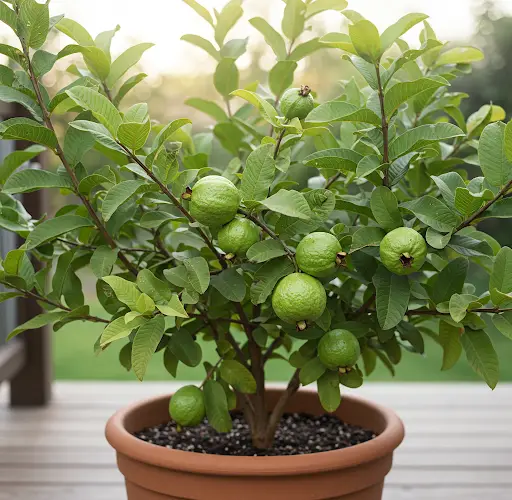
How to Grow Guava Trees from Cuttings Using Natural Methods
Guava trees are a popular choice for home gardeners due to their delicious fruits, ease of care, and adaptability to various climates. Propagating guava trees from cuttings is a cost-effective and straightforward method that allows you to quickly grow new trees. By using natural substances like garlic, red onion, tomato extract, and even coffee powder, you can encourage faster root growth and improve the chances of successful propagation.
This article will guide you through the steps to propagate guava trees using cuttings and natural rooting hormones. With the right technique, you could have new guava trees ready for transplanting in just 20 days.
Step 1: Choose Healthy Guava Cuttings
To start, select healthy, semi-woody guava stems from a mature tree. These should be about 15–20 cm in length, with at least one or two nodes — the points where leaves sprout. The cuttings should be firm and free of disease or insect damage. Younger, tender growth is less ideal because it may not root as successfully as mature shoots.
Using clean, sharp pruning shears, cut the guava stems at a slight angle just below a node. This ensures the cutting has the maximum surface area to grow roots. Once cut, remove any leaves from the lower half of the cutting to reduce water loss during the rooting process.
Step 2: Natural Hormones and Treatments
To help the cuttings root faster and protect them from bacteria and fungi, several natural treatments can be applied. These substances help disinfect the cut surfaces and encourage root formation.
Garlic Solution for Disinfection
Garlic is a powerful natural antimicrobial agent. It helps protect the cuttings from bacterial and fungal infections that can otherwise hinder root development. To use garlic as a disinfectant:
-
Crush a few cloves of garlic and soak them in water for about 20 minutes.
-
Strain the solution, then dip the base of each guava cutting into the garlic-infused water for a few seconds.
This simple step will reduce the risk of pathogens, ensuring a healthier rooting environment for the guava cuttings.
Red Onion Extract for Rooting
Red onions are not only a kitchen staple but also an excellent source of antioxidants and sulfur compounds. These compounds act as natural rooting hormones, stimulating the growth of roots in the cuttings. To prepare the onion extract:
-
Slice a red onion and crush the slices.
-
Soak the crushed onion in water for about 30 minutes to create an extract.
-
Dip the cut end of the guava cuttings into the onion extract for a few seconds before planting.
This onion treatment provides a mild rooting boost, helping the cuttings to establish their root systems more efficiently.
Tomato Extract as a Rooting Agent
Tomato extract contains natural plant hormones that promote root growth, particularly auxins, which are essential for rooting. To make the tomato extract:
-
Cut a ripe tomato into small pieces and blend them into a smooth paste.
-
Strain the paste to extract the juice.
-
Soak the base of each guava cutting in this tomato juice for a few minutes.
This natural rooting agent provides an extra push to help the guava cuttings develop a robust root system.
Step 3: Prepare the Growing Medium
A light, well-draining growing medium is crucial for successful guava propagation. For the best results, use a mixture of sand and organic matter like compost or coconut coir. The sand ensures proper drainage, while the organic matter provides nutrients for the developing roots.
Fill small pots or seed trays with this mixture. Be sure to dampen the soil lightly before inserting the cuttings. The medium should remain moist but not waterlogged, so avoid overwatering.
Step 4: Planting the Guava Cuttings
Insert each treated guava cutting into the prepared growing medium. Bury the bottom 3–5 cm of the cutting into the soil, making sure that the node (where roots will develop) is fully covered. Firm the soil around the cutting to ensure it stands upright and is well-supported.
Water the cuttings gently after planting to settle the soil around the base. It is important to maintain consistent moisture in the soil, but make sure there’s no standing water that could cause the cuttings to rot.
Step 5: Providing the Right Environment
Once planted, place the cuttings in a warm, shaded area where they can receive indirect sunlight. The ideal temperature for rooting is between 20–25°C (68–77°F). Too much sunlight can stress the cuttings, while too little light may slow down the rooting process.
To maintain humidity around the cuttings, you can cover them with a plastic dome or a transparent plastic bag. This creates a mini greenhouse effect, helping to retain moisture and encourage root growth.
Water the cuttings consistently, ideally once or twice a day, depending on the weather conditions. Keep the growing medium moist but avoid overwatering, as this can cause the cuttings to rot.
Step 6: Monitoring Root Development
Within 20 days, you should start to see signs of root development. After a few weeks, gently tug on the cuttings to see if they resist being pulled up. If the cutting holds firm and shows new growth, it’s likely that roots have formed successfully.
At this point, you can remove the plastic cover and begin acclimating the cuttings to their new environment by gradually exposing them to more sunlight. Once the guava trees have strong, established roots, they can be transplanted into larger pots or directly into the ground.
Final Thoughts
Propagating guava trees from cuttings is an easy and effective way to expand your garden. By using natural substances like garlic, red onion, tomato extract, and coffee powder, you can encourage faster rooting and healthier growth. In just a few weeks, you could have thriving guava trees ready to bear fruit in the future.
Try this method at home and enjoy the process of growing your own guava trees with minimal cost and effort.


