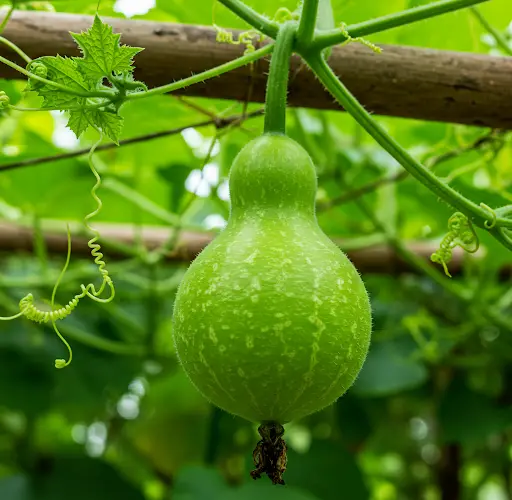
Growing gourds at home is an easy and cost-effective way to enjoy a superfruit that can be used for cooking, decoration, or even medicinal purposes. Gourds are known for their fast growth and high yield, making them a perfect choice for gardeners looking for a rewarding and low-maintenance crop. Whether you’re a seasoned gardener or a beginner, you’ll find that growing gourds is surprisingly simple and inexpensive, with the potential for a large harvest in as little as 6 months.
In this guide, we’ll walk you through the basic steps to successfully grow gourds at home, focusing on the superfruit variety that offers abundant fruit production with minimal effort.
Why Grow Gourds?
Gourds are versatile and have a range of uses. They can be used for making dishes, decorative items, utensils, and even dried gourds for crafts. Depending on the variety, some gourds can also be consumed in soups, stews, or stir-fries. Growing gourds also has several benefits:
-
Easy to grow: Gourds are not picky about soil and weather conditions, making them an excellent option for gardeners of all levels.
-
High yield: Gourd vines tend to produce a lot of fruit, especially when properly cared for.
-
Low cost: Gourds can be grown with minimal investment, as they don’t require expensive tools or fertilizers.
-
Fast growth: Depending on the variety, gourds can mature and be ready for harvest in just 6 months.
Choosing the Right Gourd Variety
There are several types of gourds to choose from, including bitter gourds, snake gourds, and sponge gourds. When selecting a variety to grow, consider your needs and the space available in your garden or containers. For beginners, it’s best to start with a superfruit variety, which tends to grow faster and yield more fruit.
One popular option is the bottle gourd (also known as calabash gourd). This variety is easy to grow and produces large, high-quality fruit that can be used in a variety of ways.
Preparing for Planting
Before planting your gourds, you’ll need to prepare your planting area. Gourds thrive in full sunlight, so select a location that gets at least 6–8 hours of direct sunlight daily. You can grow gourds directly in the ground or use large containers if space is limited.
Gourds prefer well-drained soil that is rich in organic matter. It’s best to enrich the soil with compost or well-rotted manure to ensure the plants receive the nutrients they need. If you’re planting in the ground, loosen the soil and create small mounds or rows to allow the vines to spread freely.
If you’re growing gourds in containers, make sure the container is large enough to accommodate the root system, with proper drainage holes at the bottom. A 10–15 gallon container should suffice for most varieties.
Planting Gourd Seeds
Once you’ve prepared your soil or containers, it’s time to plant the seeds. Gourd seeds can be planted directly into the soil or started indoors in pots. If planting directly in the garden, sow the seeds 1 inch deep, spacing them about 12–18 inches apart. If you’re using containers, you can plant 2–3 seeds per container and later thin them out to one strong plant per pot.
For indoor seed starting, sow the seeds in small pots or trays about 6–8 weeks before the last frost in your area. Keep the pots in a warm spot and water them regularly. When the seedlings are large enough and the weather has warmed up, transplant them into their permanent location.
Caring for Your Gourd Plants
Gourds are low-maintenance plants, but they do require some attention to thrive and produce a high yield.
1. Watering
Gourd plants need a lot of water, especially when they’re in their growing stages. Water consistently to keep the soil moist but not waterlogged. Deep watering is better than shallow watering, as it encourages strong root growth. Avoid watering the leaves directly, as wet leaves can lead to fungal infections.
2. Supporting the Vines
Gourds are vining plants, so it’s important to provide support as they grow. Use a trellis or create a horizontal support system to help the vines grow vertically. This will save space and improve air circulation around the plant, reducing the risk of diseases.
If you’re growing gourds in containers, ensure that the vines have room to spread or climb. You can train the vines to grow along a string, fence, or even an old ladder.
3. Fertilizing
To encourage healthy growth and fruit production, apply a balanced fertilizer or compost once every few weeks. Gourds are heavy feeders, so ensuring they have enough nutrients will improve the overall quality of the harvest.
Harvesting Your Gourds
Gourds are typically ready to harvest about 6 months after planting, though this can vary depending on the variety and growing conditions. You’ll know your gourds are ready to harvest when they are firm to the touch and have reached their full size. The skin of the gourd will become hard and the color will change to reflect the type of gourd you are growing.
To harvest, use a sharp knife or pruning shears to cut the gourd from the vine, leaving a short stem attached to the fruit. Handle the gourds carefully to avoid bruising, especially if you plan to store or sell them.
Tips for Maximizing Your Gourd Yield
-
Prune Regularly: Trim back any excess growth to focus the plant’s energy on fruit production. Removing small suckers that grow along the vine will help the plant concentrate on producing larger gourds.
-
Mulch the Soil: Mulching around the base of the plants will help retain moisture, suppress weeds, and keep the soil temperature stable, all of which promote healthy growth.
-
Pest Control: Keep an eye out for pests such as aphids and cucumber beetles, which can damage the plants. Organic pest control methods like neem oil or insecticidal soap can help manage infestations.
-
Pollination: Gourds need pollinators like bees to produce fruit. If you notice that your plants aren’t producing many fruit, try attracting pollinators by planting flowers nearby or manually pollinating the flowers with a brush.
Conclusion
Growing gourds at home is an incredibly simple and low-cost way to harvest an abundance of superfruits in just six months. With the right care, you can enjoy a large crop of gourds without spending much on materials or equipment. Whether you’re using them for cooking, crafts, or decoration, gourds are a highly rewarding plant to grow in any garden or container.
By following these easy tips and providing the right growing conditions, you can have your own gourd harvest, bringing fresh, homegrown produce to your kitchen or market stall. Happy gardening!


