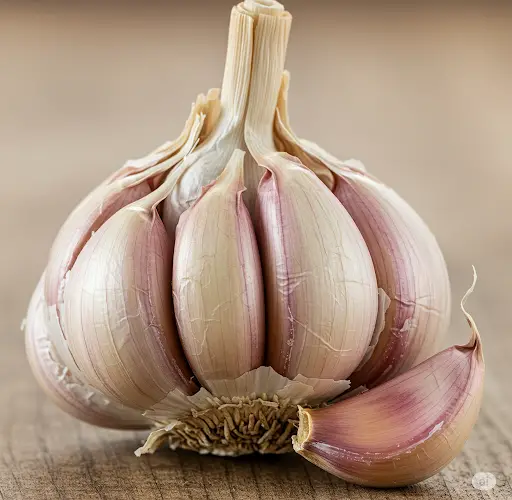
Growing large, healthy garlic bulbs is the dream of many gardeners. Garlic is a versatile and flavorful addition to any kitchen, but to achieve those impressive fist-sized bulbs, proper care and feeding are essential—especially during the final stages of growth. This article will guide you through the key steps and the crucial “last feeding” that can dramatically boost your garlic harvest, helping you grow bulbs that are big, robust, and bursting with flavor.
Understanding Garlic Growth Stages
Garlic grows through several stages: planting cloves, root establishment, vegetative growth, bulb formation, and maturation. Each stage has different nutrient and care requirements. While early growth depends heavily on nitrogen to develop strong leaves and roots, the final bulb enlargement phase relies on balanced nutrients, particularly phosphorus and potassium.
The “last feeding” refers to a well-timed fertilizer application during bulb formation, typically late spring to early summer. This feeding fuels the plant’s energy to form large, dense cloves.
Choosing the Right Garlic Variety
Before planting, choose a garlic variety suited to your climate and soil. Hardneck varieties thrive in cooler climates and produce larger cloves, while softneck types are better for warmer areas and have longer storage life. Selecting a vigorous variety lays the foundation for a bountiful harvest.
Preparing Soil for Big Garlic Bulbs
Garlic prefers loose, well-drained soil rich in organic matter. Before planting:
-
Test soil pH: Aim for slightly acidic to neutral soil (pH 6.0 to 7.0).
-
Amend soil: Incorporate compost or aged manure to boost fertility and improve texture.
-
Ensure drainage: Garlic doesn’t tolerate waterlogged soil, so avoid heavy clay or poor drainage.
Healthy soil supports vigorous root systems, critical for large bulb development.
Planting Garlic Properly
Plant individual cloves upright, pointed end up, about 2 inches deep and 4-6 inches apart. Rows should be spaced roughly 12 inches apart to allow good airflow and light penetration.
Planting garlic in fall allows it to establish roots before winter dormancy, resulting in stronger spring growth. In mild climates, early spring planting is also possible.
Caring for Garlic Through the Season
Watering: Keep the soil evenly moist, especially during dry spells, but avoid overwatering. Garlic requires more water during active leaf growth and bulb formation but needs drier conditions as it nears harvest to prevent rot.
Weeding: Keep the bed weed-free to reduce competition for nutrients and moisture.
Mulching: Apply mulch such as straw or shredded leaves to conserve moisture, suppress weeds, and protect soil temperature.
The Crucial Last Feeding
The final feeding is the key to unlocking large garlic bulbs. Here’s how to do it:
When to Feed:
Apply the last feeding when garlic begins to form bulbs. This usually coincides with the appearance of the first flower stalk, called a scape, in hardneck varieties, or roughly 6 to 8 weeks before harvest.
What to Feed:
Use a balanced fertilizer with a focus on phosphorus (P) and potassium (K), such as a 5-10-10 or 10-20-20 NPK ratio. These nutrients support bulb development and improve storage quality.
How to Apply:
-
Lightly side-dress fertilizer around the base of each plant, avoiding direct contact with leaves or stems.
-
Water thoroughly after applying fertilizer to help nutrients reach the roots.
-
Avoid excessive nitrogen at this stage, as it promotes leafy growth over bulb size.
Additional Tips for Bigger Garlic Bulbs
Remove Scapes:
For hardneck garlic, remove the flowering scapes as soon as they curl. This redirects the plant’s energy from seed production to bulb growth, resulting in larger cloves.
Proper Spacing:
Give garlic plenty of room to grow. Crowded plants produce smaller bulbs.
Avoid Late-Season Watering:
Reduce watering about two weeks before harvest to let the bulbs dry and harden.
Harvesting and Curing
Harvest garlic when about half to two-thirds of the leaves have turned brown but before the entire plant dies back. Pull bulbs carefully to avoid bruising.
Cure garlic by hanging bulbs in a warm, dry, well-ventilated area for 2-3 weeks. Proper curing enhances flavor, shelf life, and storage quality.
Troubleshooting Common Problems
-
Small bulbs: Usually caused by poor soil fertility, overcrowding, or lack of last feeding.
-
Yellow leaves: May indicate nutrient deficiencies or overwatering.
-
Pests: Watch for onion maggots or fungal diseases, and rotate crops to minimize risk.
Final Thoughts
Growing garlic the size of a fist is achievable with proper soil preparation, careful planting, consistent care, and most importantly, a timely last feeding rich in phosphorus and potassium. This final nutrient boost helps garlic bulbs develop large, dense cloves packed with flavor and storage potential.
By following these simple yet effective steps, you can enjoy an impressive garlic harvest that will last you through the year and impress family and friends alike.


