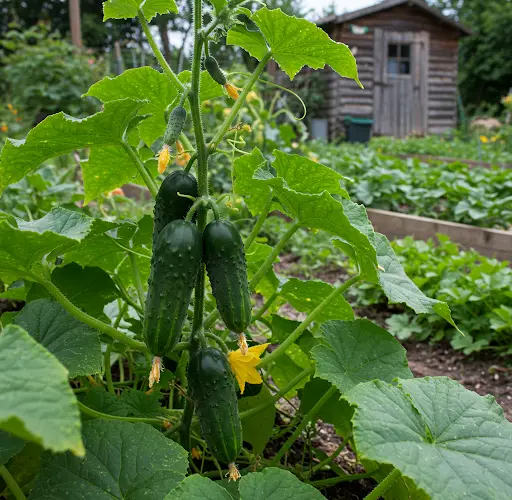
How to Grow Cucumbers to Produce a Lot of Fruit in Soil Bags at Home
Growing cucumbers in soil bags is an excellent method for home gardeners who have limited space but still want a bountiful harvest. With the right care and techniques, you can ensure a high yield of delicious, homegrown cucumbers. This guide will walk you through the step-by-step process of growing cucumbers in soil bags to maximize fruit production.
Why Grow Cucumbers in Soil Bags?
Using soil bags to grow cucumbers offers several advantages:
- Space-saving: Perfect for small gardens, patios, and balconies.
- Better drainage: Prevents root rot and overwatering issues.
- Portability: Easy to move based on sunlight and weather conditions.
- Less weeding: Reduces the hassle of dealing with unwanted weeds.
Materials Needed:
- High-quality potting soil or compost mix
- Large, durable soil bags (at least 5-10 gallons capacity per plant)
- Cucumber seeds or seedlings (choose high-yielding varieties such as Marketmore, Straight Eight, or Persian cucumbers)
- Organic fertilizer (compost, fish emulsion, or balanced NPK fertilizer)
- Trellis or stakes for support
- Watering can or drip irrigation system
- Mulch (straw or dry leaves)
Step-by-Step Guide to Growing Cucumbers in Soil Bags
1. Choosing the Right Location
Cucumbers thrive in warm, sunny conditions. Choose a location where the soil bags will receive at least 6-8 hours of direct sunlight daily. If growing indoors or in a shaded area, consider using grow lights to supplement natural light.
2. Preparing the Soil Bags
- Select high-quality, well-draining soil with plenty of organic matter.
- Fill the soil bags with a nutrient-rich potting mix, leaving about 2-3 inches of space at the top.
- Ensure the bags have small drainage holes to prevent waterlogging.
3. Planting Cucumber Seeds or Seedlings
- If using seeds, sow them about ½ inch deep into the soil. Place 2-3 seeds per hole and cover lightly with soil.
- If using seedlings, plant them 8-12 inches apart to allow sufficient space for growth.
- Water thoroughly after planting.
4. Watering Schedule
- Keep the soil consistently moist but not waterlogged.
- Water deeply 2-3 times a week, depending on weather conditions.
- Avoid overhead watering to prevent fungal diseases. Instead, use a drip irrigation system or water at the base of the plants.
5. Fertilization for Maximum Yield
- Use an organic fertilizer rich in nitrogen, phosphorus, and potassium.
- Apply a balanced fertilizer every 2 weeks during the growing season.
- Incorporate compost or aged manure to enhance soil fertility.
6. Providing Support with Trellises
- Cucumbers are vining plants that benefit from vertical growth.
- Install trellises, stakes, or netting to keep the vines off the ground.
- This helps improve air circulation, reduces pest issues, and makes harvesting easier.
7. Pruning and Maintenance
- Regularly remove yellow or damaged leaves to prevent disease spread.
- Pinch off excess side shoots to encourage main vine growth and better fruit production.
- Monitor plants for pests like aphids, spider mites, and cucumber beetles.
8. Mulching for Moisture Retention
- Apply a layer of mulch around the base of the plants to retain moisture and suppress weeds.
- Use straw, dry leaves, or grass clippings as organic mulch.
9. Pollination Tips
- Cucumbers require pollination for fruit production. Encourage bees and pollinators by planting flowers nearby.
- If growing in an enclosed area, hand-pollinate by transferring pollen from male flowers to female flowers using a small brush.
10. Harvesting for Continuous Production
- Cucumbers are ready for harvest in about 50-70 days, depending on the variety.
- Pick cucumbers regularly to encourage further fruiting.
- Harvest when they reach 6-8 inches in length for the best flavor and texture.
Common Problems and Solutions
| Problem | Solution |
|---|---|
| Yellowing Leaves | Check for overwatering, improve drainage, and apply balanced fertilizer. |
| Poor Fruit Production | Increase pollination efforts and ensure adequate fertilization. |
| Pest Infestation | Use neem oil, introduce beneficial insects like ladybugs, or handpick pests. |
| Bitter Cucumbers | Ensure consistent watering and avoid temperature stress. |
Final Thoughts
Growing cucumbers in soil bags is a fantastic way to maximize space while ensuring a high yield. With proper care, including consistent watering, fertilization, and pest control, you can enjoy a continuous supply of fresh, homegrown cucumbers. Follow these steps, and soon you’ll be harvesting an abundance of crisp and delicious cucumbers right from your home garden!


