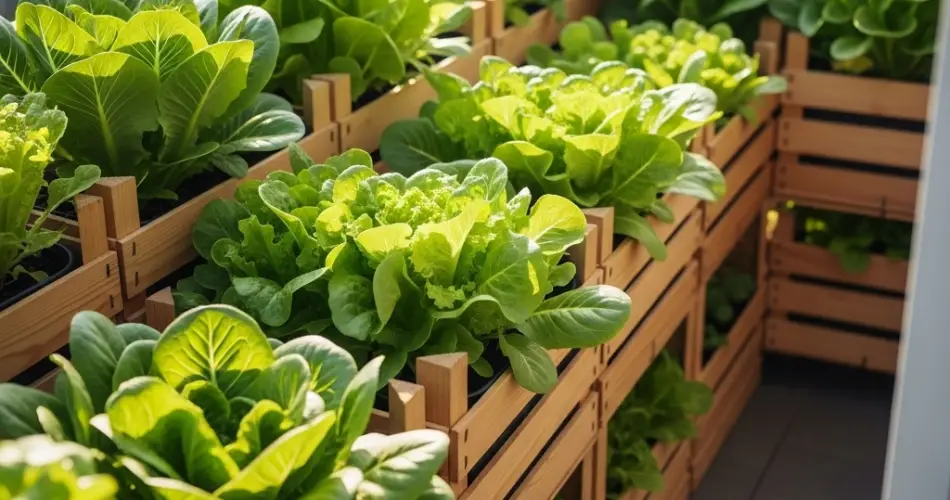
Lettuce is one of the easiest and most rewarding leafy greens you can grow at home. Whether you love tender butterhead, crunchy romaine, or frilly leaf varieties, growing lettuce in balcony crate gardens gives you fresh harvests right outside your door. This method is perfect for those with limited space, offering a productive, attractive, and low-maintenance way to enjoy homegrown greens.
By reusing wooden or plastic crates and placing them on balconies, patios, or window ledges, you can grow lettuce in a compact, manageable garden that thrives in urban environments. With a bit of sunlight, quality soil, and regular watering, you’ll soon be picking crisp, flavorful leaves whenever you need them.
Why Choose Crate Gardening for Lettuce?
Crate gardening is a practical and affordable way to grow vegetables in tight spaces. Crates are lightweight, portable, and easy to adapt to different environments. When lined and filled with the right soil mix, they provide good drainage and ample room for shallow-rooted crops like lettuce.
Benefits include:
-
Space-saving – perfect for balconies and small patios
-
Improved drainage – helps prevent root rot
-
Reusability – old crates can be repurposed season after season
-
Portability – easy to move based on sunlight or weather
-
Aesthetic appeal – crates give a rustic, garden-chic look
Lettuce’s quick growth and shallow roots make it an ideal match for container gardening in crates.
Choosing the Right Crate
Use crates that are at least 6–8 inches deep and wide enough to space several lettuce plants apart. Both wooden vegetable crates and sturdy plastic storage crates work well. Just make sure they’re clean and free of harmful chemicals.
For wooden crates:
-
Line the inside with landscape fabric or burlap to hold soil and allow drainage.
For plastic crates:
-
Drill drainage holes in the bottom and line with mesh or breathable material.
Selecting Lettuce Varieties
Different types of lettuce suit different tastes and growing goals:
-
Loose-leaf varieties (like Oak Leaf, Lollo Rossa) grow quickly and can be harvested leaf by leaf.
-
Butterhead types (like Bibb or Boston) are soft and compact.
-
Romaine or Cos is perfect for crispy salads and sandwiches.
-
Batavia or Summer Crisp combines crispness and heat resistance.
Choose a variety (or mix) that fits your climate and culinary preferences.
What You’ll Need
To start your balcony crate lettuce garden, gather the following:
-
Crates (wooden or plastic), lined if necessary
-
Quality potting mix with compost
-
Lettuce seeds or seedlings
-
A watering can or hose with gentle spray
-
Organic fertilizer (optional)
-
A balcony or ledge with 4–6 hours of daily sunlight
How to Plant Lettuce in Crates
1. Prepare the Crate
Line your crate with landscape fabric or breathable cloth. If using a plastic crate, make sure you’ve drilled holes and lined it with mesh.
2. Add Soil
Fill with potting mix enriched with compost. Lettuce thrives in light, well-draining soil with plenty of organic matter.
3. Sow the Seeds
Sprinkle seeds thinly across the surface, or plant seedlings spaced 6–8 inches apart. Lightly press seeds into the soil and cover with a fine layer of potting mix.
4. Water Gently
Use a fine mist or gentle watering can to moisten the soil without disturbing seeds.
5. Position the Crate
Place the crate in a spot with morning sun and afternoon shade. Lettuce prefers cooler conditions and may bolt (go to seed) in intense afternoon heat.
Ongoing Care
Watering
Lettuce loves moist soil. Water regularly—once or twice a day during hot weather. Avoid letting the soil dry out, but don’t overwater to the point of sogginess.
Feeding
Feed with a diluted organic fertilizer or compost tea every two weeks to promote steady growth and tender leaves.
Thinning
If seeds were sown thickly, thin out seedlings once they’ve grown 2–3 inches tall. Leave about 6 inches between each plant for proper airflow and development.
Pest Control
Watch for aphids, slugs, and snails. Remove pests by hand or spray with neem oil. A sprinkling of crushed eggshells around the plants can deter crawling insects.
Harvesting Your Lettuce
-
Loose-leaf types can be harvested leaf by leaf once the plant reaches 4–6 inches tall. This cut-and-come-again method allows multiple harvests.
-
Head lettuce varieties can be harvested all at once once they’re firm and full-sized.
-
Always harvest in the morning for crispest leaves, and use clean scissors or a knife.
Tips for Success
-
Start new seeds every 2–3 weeks for a continuous supply of fresh lettuce.
-
Water deeply in the morning to keep plants cool and hydrated.
-
Avoid planting in full afternoon sun—move crates if needed.
-
In hot climates, grow lettuce during cooler months or choose heat-tolerant varieties.
-
Add mulch like straw or dried leaves to conserve moisture and suppress weeds.
Final Thoughts
Growing lettuce in balcony crate gardens is a rewarding and simple way to bring fresh, homegrown greens into your daily meals. With minimal space and effort, you can enjoy the crisp texture and vibrant flavor of lettuce picked just minutes before serving. This method is beginner-friendly, sustainable, and perfectly suited to urban life—proof that you don’t need a big garden to grow your own food.


