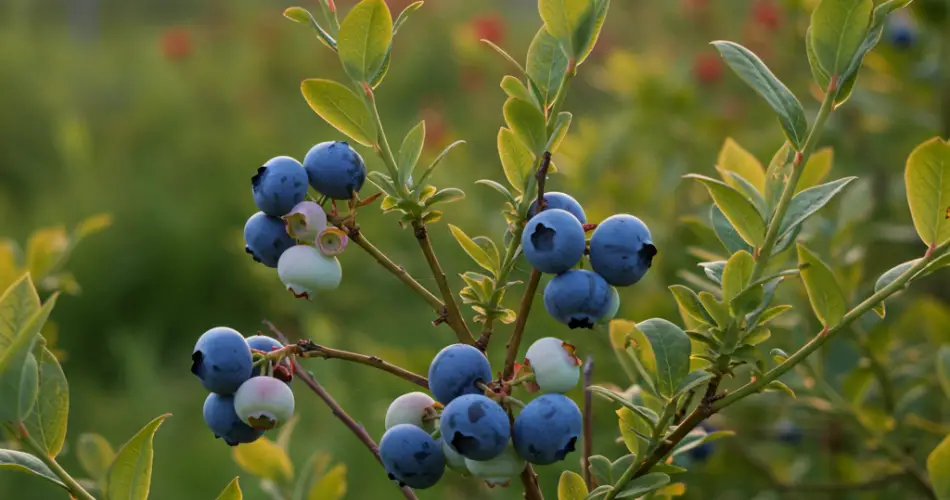
Imagine stepping outside and picking a handful of juicy, sweet blueberries from your own garden. These nutrient-rich berries are not only delicious but also surprisingly easy to grow at home. With the right care and a few essential tips, you can grow a bountiful blueberry harvest that will have your neighbors envious of your gardening success.
Whether you’re an experienced gardener or just getting started, growing blueberries is a rewarding project that brings both beauty and flavor to your outdoor space.
Why Grow Blueberries at Home?
Blueberries are a superfood packed with antioxidants, vitamins, and fiber. They’re low-maintenance once established, and their attractive foliage adds ornamental value to the garden. In spring, they offer delicate white or pink flowers, followed by summer fruit and beautiful fall leaf color.
Best of all, you’ll have control over growing conditions, ensuring your harvest is free from chemicals and perfectly ripe.
Choose the Right Variety
There are several types of blueberry plants, each suited to different climates and garden sizes:
-
Highbush (Vaccinium corymbosum): Most common and ideal for temperate climates.
-
Lowbush (Vaccinium angustifolium): Hardy and compact, perfect for groundcover or colder regions.
-
Rabbiteye (Vaccinium ashei): Great for warmer climates with long growing seasons.
-
Half-high hybrids: Crosses between highbush and lowbush, excellent for small gardens and container growing.
Before planting, choose a variety adapted to your local climate. You can also plant multiple varieties to extend the harvest period and boost cross-pollination for better yields.
Selecting the Ideal Location
Blueberries thrive in full sun, so choose a spot that gets at least 6–8 hours of sunlight per day. While they can tolerate partial shade, too little light will reduce fruit production.
Also, make sure the site has good air circulation and well-draining soil, as blueberries dislike soggy roots.
Prepare the Soil
Blueberries require acidic soil with a pH between 4.5 and 5.5. Most garden soils will need amending to meet this requirement. Here’s how to prepare ideal conditions:
-
Test your soil’s pH with a kit from a garden center.
-
Lower the pH by adding elemental sulfur or peat moss to the planting area.
-
Mix in organic matter like pine bark, composted leaves, or coco coir to improve drainage and structure.
If your garden soil is difficult to amend, you can plant blueberries in raised beds or large containers with acidic soil mixes.
Planting the Blueberries
The best time to plant blueberries is in early spring or fall. Space highbush varieties about 4 to 5 feet apart, while lowbush types can be spaced closer.
Steps:
-
Dig a hole twice as wide and just as deep as the root ball.
-
Loosen the roots gently and place the plant in the hole.
-
Backfill with a mix of native soil and acidic amendments.
-
Water thoroughly and apply a thick layer of mulch (pine needles, wood chips, or bark) to conserve moisture and keep the soil acidic.
Watering and Feeding
Blueberries have shallow roots, so they need consistent moisture—especially during fruiting season. Water deeply 1–2 times per week, depending on weather, and never let the soil dry out completely.
Feed your blueberries in early spring with an acid-loving plant fertilizer (like those for azaleas or rhododendrons). Avoid high-nitrogen fertilizers that can cause excessive leafy growth at the expense of fruit.
Pruning for Productivity
Blueberries benefit from annual pruning in late winter or early spring. Remove:
-
Dead or damaged branches
-
Low-growing or crossing branches
-
A few older canes to encourage new, vigorous growth
Pruning keeps the plant healthy and increases airflow, reducing disease risk and boosting berry production.
Protecting Your Harvest
Birds love blueberries just as much as people do. To protect your crop:
-
Use netting draped over the plants
-
Install scare tape or reflective objects nearby
-
Consider building a lightweight frame over your bushes to support protective mesh
Keep an eye out for pests like aphids or caterpillars. Neem oil or insecticidal soap can help control them naturally.
When and How to Harvest
Blueberries are ready to harvest when they are fully blue, plump, and easily detach from the stem with a gentle tug. Don’t rush—berries don’t continue to ripen after being picked, so wait until they’re fully ripe for the best flavor.
Harvest every few days during peak season and refrigerate immediately if not eaten fresh.
Final Tips for an Impressive Blueberry Garden
-
Plant multiple varieties for better pollination and longer harvests.
-
Reapply mulch annually to maintain moisture and acidity.
-
Replace older bushes after 10–15 years for continued productivity.
-
Use blueberries in smoothies, baked goods, jams—or enjoy them fresh from the bush.
With a little effort and some patience, you’ll be harvesting baskets of sweet, homegrown blueberries that will make your garden the envy of the neighborhood. Not only are they a healthy addition to your diet, but they’re also a beautiful and rewarding plant for gardeners of any experience level.


