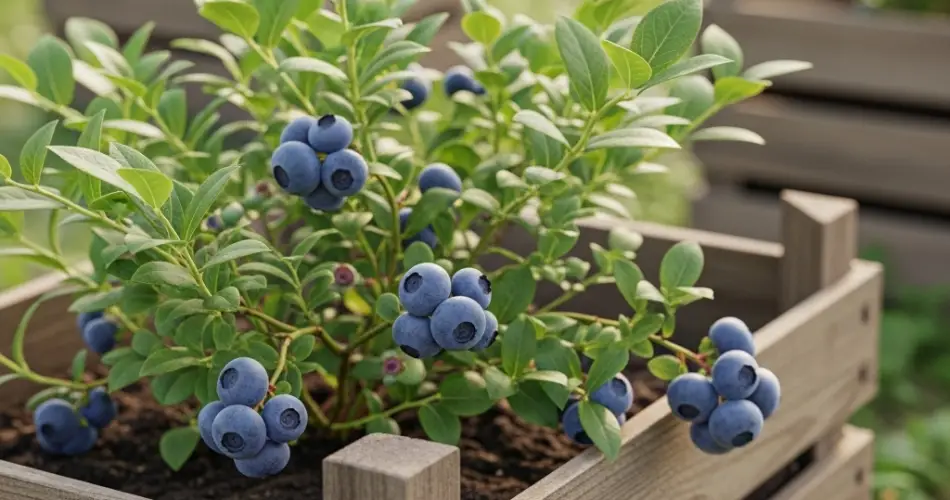
Blueberries are prized for their sweet-tart flavor, high nutritional value, and versatility in the kitchen. From smoothies and jams to baked goods and fresh snacking, they’re a favorite among gardeners and home cooks alike. However, not everyone has the luxury of a spacious garden for berry bushes. Fortunately, blueberries can be successfully grown in crates, making them an excellent option for balconies, patios, or small backyards. With the right setup, soil conditions, and care, home gardeners can enjoy bountiful harvests of fresh blueberries straight from their own containers.
Why Choose Crates for Growing Blueberries?
Blueberries are naturally shallow-rooted plants, which makes them well-suited to container gardening. Crates provide the depth and width necessary for root expansion while allowing flexibility in placement. Here are a few reasons why crates are a practical option:
-
Mobility: Crates can be moved around to take advantage of changing sunlight throughout the seasons.
-
Space-saving: Ideal for small areas such as balconies, terraces, or narrow garden paths.
-
Drainage control: Wooden or plastic crates can be adapted with proper drainage to prevent waterlogging.
-
Customizable: Crates can be lined, insulated, or painted to match both functional and decorative preferences.
Choosing the Right Crates
When selecting crates for blueberry cultivation, keep the following considerations in mind:
-
Size: Choose crates that are at least 16–20 inches deep and wide to allow for proper root development.
-
Material: Wooden crates are breathable and provide natural insulation but may require lining to prevent soil leakage. Plastic crates are lightweight and durable but may heat up more quickly under the sun.
-
Drainage: Ensure the bottom of the crate has holes for water to escape. Elevating the crate slightly with bricks or wooden blocks improves airflow and drainage.
Preparing the Soil Mix
Blueberries thrive in acidic soil with a pH level between 4.5 and 5.5. Regular garden soil is usually too alkaline, so creating the right mix is essential for success.
A recommended soil mix includes:
-
50% peat moss or coconut coir (for acidity and moisture retention)
-
30% pine bark or composted wood chips (to maintain acidity and aeration)
-
20% perlite or coarse sand (for improved drainage)
It’s also a good idea to test soil pH with a simple home kit. If necessary, amend the mix with sulfur granules to maintain acidity over time.
Planting Blueberries in Crates
-
Select the Right Variety: Compact, container-friendly varieties such as ‘Top Hat,’ ‘Sunshine Blue,’ or ‘Northcountry’ are ideal for crate growing.
-
Fill the Crate: Add your prepared acidic soil mix, leaving a couple of inches at the top.
-
Planting Depth: Place the blueberry plant in the center and ensure it sits at the same depth as in its nursery pot.
-
Spacing: If your crate is large, you may grow two smaller bushes together, but usually one plant per crate ensures healthier growth.
-
Mulching: Add a layer of pine needles or shredded bark on top of the soil to conserve moisture and maintain acidity.
Care and Maintenance
1. Watering
Blueberries require consistent moisture, but soggy soil can cause root rot. Water regularly to keep the soil evenly moist, especially during fruiting. Crates may dry out faster than ground soil, so check moisture levels frequently.
2. Sunlight
Blueberries need at least 6–8 hours of direct sunlight daily. Place crates in a sunny location, such as a south-facing balcony or patio.
3. Fertilization
Feed plants with an acid-loving fertilizer, such as those formulated for azaleas or rhododendrons, once or twice during the growing season. Avoid over-fertilizing, as blueberries are sensitive to excess nutrients.
4. Pruning
Remove weak or dead branches in late winter or early spring to encourage new growth. For young plants, light pruning helps shape the bush without reducing yield.
5. Winter Protection
In colder climates, insulate crates with straw, burlap, or bubble wrap to protect roots from freezing. Alternatively, move crates to a sheltered spot during extreme cold.
Harvesting Blueberries
Blueberries are ready to harvest when they turn deep blue and detach easily from the stem with a gentle pull. Ripe berries often have a slight dusty coating known as bloom, a natural protective layer. Harvest regularly to encourage continued fruiting throughout the season.
Advantages of Growing Blueberries in Crates
-
Accessibility: Easier to manage than in-ground plants, especially for watering, pruning, and harvesting.
-
Flexibility: Move crates to protect plants from harsh weather or to optimize sunlight exposure.
-
Pest Control: Growing above ground can help reduce certain soil-borne pests and weeds.
-
Decorative Value: Crate-grown blueberries double as attractive patio or balcony features with their white spring flowers, green foliage, and colorful berries.
Final Thoughts
Growing blueberries in crates is a practical and rewarding way to enjoy fresh, homegrown fruit even without a traditional garden. With the right crate, acidic soil mix, and attentive care, these plants can flourish in compact spaces while producing a steady supply of berries for your table. Beyond their productivity, crate-grown blueberries also add natural beauty to your home garden setup, offering seasonal charm from blossoms to harvest.
Whether you live in a city apartment or a small suburban home, cultivating blueberries in crates proves that limited space doesn’t have to limit gardening potential. With patience and care, you can enjoy baskets of sweet, homegrown blueberries right from your balcony or patio.


