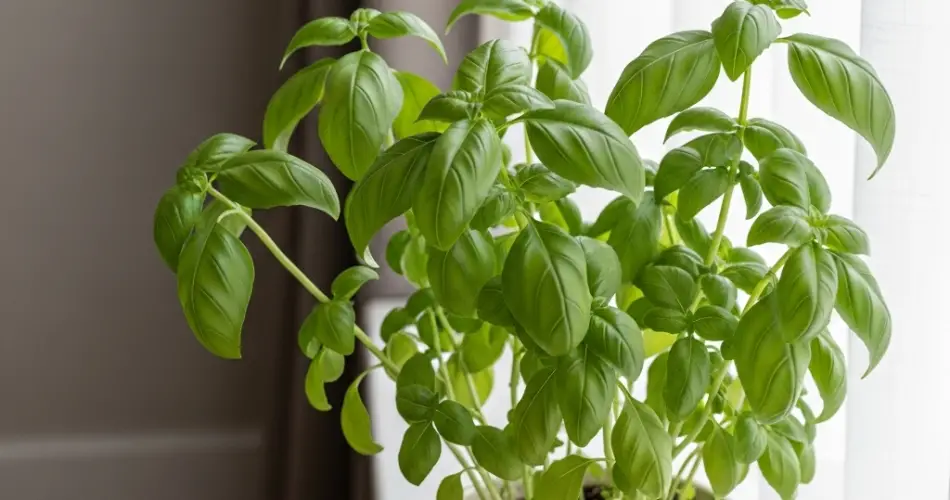
Basil is one of the most beloved culinary herbs, adding fresh, aromatic flavor to dishes like pasta, salads, and sauces. While basil typically thrives in sunny environments, you can successfully grow it indoors even if your home doesn’t get much direct sunlight. With a few simple adjustments, you can enjoy a steady supply of this fragrant herb all year long, even in low-light conditions.
Choose the Right Basil Variety
There are many types of basil, but some varieties are better suited for indoor growing in lower-light conditions. Sweet basil is the most popular and easiest to grow indoors. Other compact varieties like Greek basil or Spicy Globe basil are also great choices because they adapt well to containers and limited lighting.
Start with Healthy Seeds or Transplants
You can grow basil from seeds or purchase young starter plants. Starting from seed is more economical and allows you to grow multiple plants. To increase success, plant seeds in a shallow tray or small containers filled with seed-starting mix. Cover seeds lightly with soil and mist them to keep the surface moist.
If using a transplant, select a healthy, pest-free plant from a nursery. Make sure the leaves are bright green, and the roots are not bound or rotting.
Use the Right Container
Basil thrives in containers with good drainage. Choose a pot that is at least 6 inches deep, with drainage holes at the bottom. Use a lightweight, well-draining potting mix designed for herbs or vegetables. Avoid using heavy garden soil, which can retain too much moisture indoors.
If you’re growing multiple plants, space them out to ensure good airflow and reduce the risk of fungal diseases.
Maximize Available Light
Even without direct sunlight, basil can still grow well with some help. Place your plant near a bright window—east or west-facing windows work best. If your space doesn’t get enough light, use grow lights to supplement. LED or fluorescent grow lights provide the full spectrum of light basil needs for healthy photosynthesis.
Position the grow light about 6–12 inches above the plant and keep it on for 12–16 hours a day to mimic natural sunlight. Rotate the pot every few days to promote even growth.
Maintain Proper Moisture
Basil doesn’t like to sit in wet soil, but it also shouldn’t dry out completely. Check the top inch of soil with your finger—if it feels dry, it’s time to water. Use a watering can with a narrow spout to avoid splashing water on the leaves.
Ensure excess water drains freely to avoid root rot. Place a saucer under the pot to catch runoff, but empty it regularly so the plant isn’t sitting in standing water.
Maintain Indoor Temperature and Humidity
Basil prefers temperatures between 65°F to 75°F (18°C to 24°C). Avoid placing it near drafty windows, heaters, or air conditioners. Sudden changes in temperature can stress the plant.
Basil also appreciates moderate humidity. If your home is dry, especially in winter, you can increase humidity by placing a tray of water near the plant, using a small humidifier, or misting the plant lightly once a day.
Feed for Steady Growth
Since indoor basil is grown in containers, the soil nutrients will deplete over time. Feed the plant every 3–4 weeks with a balanced, water-soluble fertilizer diluted to half strength. Organic fertilizers like seaweed extract or compost tea are excellent options to nourish the plant without overfeeding.
Too much fertilizer can cause rapid leafy growth with less flavor, so always follow the package instructions.
Prune Regularly to Encourage Bushy Growth
The key to a full, healthy basil plant is regular pruning. Once your basil plant has 6–8 leaves, start pinching or cutting the stems just above a pair of leaves. This encourages the plant to branch out, creating more stems and leaves.
Remove any flower buds as soon as they appear. Allowing the plant to flower can reduce leaf production and change the flavor of the leaves, making them slightly bitter.
Watch for Indoor Pests
Even indoors, basil can attract pests like aphids, whiteflies, or spider mites. Check the undersides of leaves regularly. If you spot pests, gently rinse the leaves or use a homemade insecticidal soap spray. Ensure good air circulation around the plant to prevent fungal issues like mildew.
Harvest Carefully
Harvest basil by trimming the top leaves and stems rather than pulling entire branches. Take what you need, but never remove more than one-third of the plant at a time. This allows the plant to recover and keep growing.
Regular harvesting not only gives you fresh basil but also keeps the plant healthy and vigorous.
Conclusion
Even without direct sunlight, you can grow a thriving basil plant indoors with a few simple adjustments. By providing consistent artificial light, keeping soil well-drained and moist, pruning regularly, and feeding gently, your kitchen can become a year-round source of fresh basil. Whether for cooking or just enjoying its pleasant aroma, basil is a rewarding herb to grow in any home environment.


