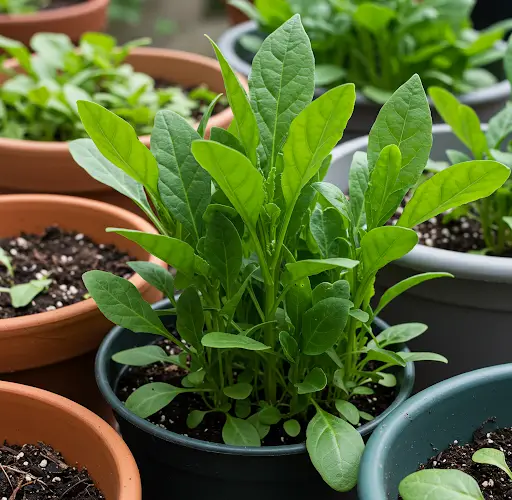
Baby leaf spinach is a quick-growing, nutrient-packed green that is perfect for gardeners looking to grow fresh, healthy leaves in small spaces. This type of spinach, harvested when the leaves are still young, is tender and flavorful, making it ideal for salads, smoothies, and garnishes. Whether you’re growing it in containers, raised beds, or directly in the ground, spinach is a great option for beginner gardeners. This easy guide will show you how to grow baby leaf spinach from seed, step by step, from planting to harvest.
Why Grow Baby Leaf Spinach?
Growing baby leaf spinach has several advantages, especially for those with limited gardening space:
-
Fast Growing – Baby spinach grows quickly, allowing you to harvest within 4 to 6 weeks from planting.
-
Space Efficient – Spinach doesn’t require a lot of space, making it perfect for containers or small garden plots.
-
Nutrient-Rich – Baby leaf spinach is packed with vitamins and minerals, including iron, calcium, and vitamins A and C, making it a healthy addition to any meal.
-
Easy to Grow – Spinach is a cool-season crop that thrives in spring and fall, making it suitable for beginner gardeners.
What You’ll Need
Before you get started, gather the following items:
-
Baby leaf spinach seeds (available at most garden centers or online)
-
Containers (if growing indoors or in small spaces)
-
Well-draining soil (either potting mix or garden soil)
-
Compost (optional for added fertility)
-
Watering can or hose
-
A sunny spot that receives 4 to 6 hours of sunlight per day
-
Fertilizer (optional for enhanced growth)
Step-by-Step Guide to Growing Baby Leaf Spinach from Seed
1. Choose the Right Container or Planting Area
Spinach can be grown in containers, raised beds, or directly in the ground. If you are growing indoors or in small spaces, containers work great.
-
Containers should be at least 6 inches deep to allow the roots to grow. Any type of container, such as plastic pots, ceramic planters, or even window boxes, will work as long as they have drainage holes.
-
Raised beds or garden plots should be prepared with well-draining, fertile soil.
If you’re growing baby spinach in containers, you can place them on a sunny windowsill or patio that receives 4 to 6 hours of sunlight each day.
2. Prepare the Soil
Spinach prefers rich, well-draining soil. If you’re growing in containers, use a high-quality potting mix that retains moisture but also drains well. You can mix in compost to boost the soil’s fertility and improve drainage.
-
If planting in the ground or raised beds, loosen the soil with a garden fork and mix in compost or organic matter to enhance the soil’s nutrient content.
-
Ensure the soil pH is between 6.0 and 7.0, as spinach prefers slightly acidic to neutral soil.
3. Planting the Seeds
Planting spinach seeds is simple and doesn’t require much effort:
-
Sow the seeds about 1/2 inch deep into the soil. If planting in containers, space the seeds 1 to 2 inches apart in rows. In garden beds, space seeds about 2 to 4 inches apart.
-
Water gently after planting to help settle the seeds in the soil.
-
Keep the soil moist but not waterlogged as the seeds begin to germinate. Spinach typically germinates in about 7 to 14 days.
If you’re growing spinach indoors, place the container in a sunny location or under a grow light to ensure sufficient light for germination.
4. Thinning the Seedlings
Once your spinach seedlings are a few inches tall, you will need to thin them out to give them space to grow. This helps prevent overcrowding and ensures that the plants have enough room for proper leaf development.
-
Thin the seedlings to be 3 to 4 inches apart once they have several leaves.
-
Cut the smaller seedlings at soil level using scissors to avoid disturbing the roots of the remaining plants.
Thinning is important because it allows the plants to get better airflow, reducing the risk of disease and promoting healthy growth.
5. Watering and Fertilizing
Spinach requires consistent moisture to grow well. Ensure that the soil stays evenly moist, but be careful not to overwater.
-
Water regularly, especially during dry spells, to keep the soil moist but not soggy. Spinach needs about 1 inch of water per week.
-
Fertilize every 4 to 6 weeks using a balanced, water-soluble fertilizer. While spinach can grow in moderately fertile soil, additional nutrients can support faster and healthier growth.
-
If growing in containers, you may need to fertilize more frequently, as the nutrients in potting soil can deplete faster than in the ground.
6. Sunlight and Temperature
Spinach is a cool-season crop that thrives in temperatures between 50°F and 60°F. It can tolerate light frosts, making it a great option for spring and fall planting.
-
Spinach needs 4 to 6 hours of direct sunlight daily. If you’re growing indoors, ensure the container gets enough light or use artificial lights if necessary.
-
If temperatures rise above 75°F, spinach may bolt (flower and go to seed), which makes the leaves bitter. For this reason, it’s best to grow spinach during cooler months or provide some shade during the hottest part of the day in warmer climates.
7. Pest Control and Maintenance
While spinach is generally low-maintenance, you should watch for pests that may attack your plants, such as aphids, snails, or leaf miners.
-
Inspect your plants regularly for signs of pest damage, and remove any affected leaves.
-
Use organic pest control methods such as neem oil or insecticidal soap if necessary.
If growing in containers, keep an eye out for pests that thrive in moist conditions, such as fungus gnats. If you notice any, let the soil dry out a bit between watering.
8. Harvesting Baby Spinach
Baby spinach is ready to harvest in about 4 to 6 weeks after planting, once the leaves have reached the desired size. The best time to harvest baby spinach is when the leaves are young and tender.
-
To harvest, pick the outer leaves by cutting them at the base of the plant, leaving the inner leaves to continue growing.
-
For continuous harvest, use the cut-and-come-again method. This allows the plant to keep producing new leaves, so you can harvest throughout the growing season.
Conclusion
Growing baby leaf spinach from seed is a rewarding and easy gardening project, perfect for those with limited space or beginner gardeners. With the right conditions, spinach can thrive in containers or garden beds and provide fresh, nutritious greens in just a few weeks. Follow the steps for planting, watering, thinning, and harvesting, and you’ll enjoy a steady supply of baby spinach for your meals.


