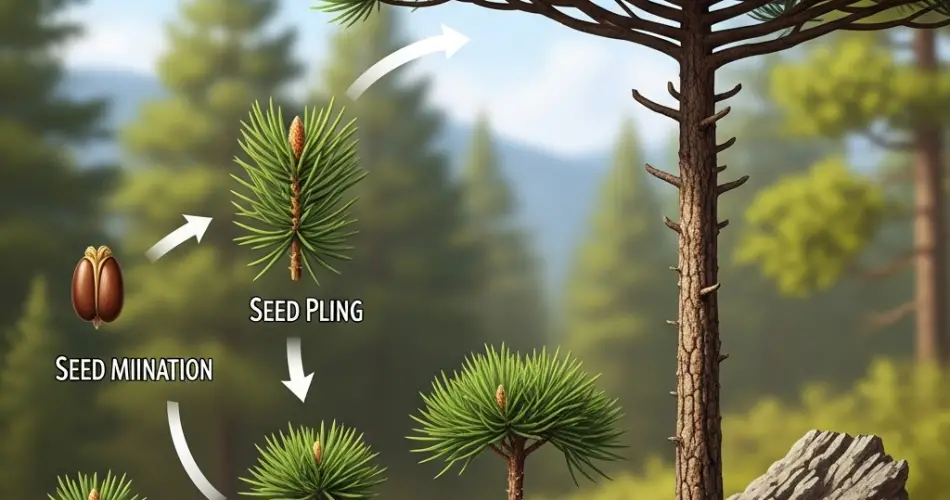
The stone pine (Pinus pinea), also known as the umbrella pine or Italian stone pine, is a majestic tree native to the Mediterranean region, recognized for its umbrella-shaped canopy and edible pine nuts. Growing a stone pine from seed is a rewarding and fascinating project that allows you to witness the entire life cycle of this beautiful tree. Whether you want to grow it as a bonsai, a patio plant, or eventually in your garden, the process is simple with patience and care.
Step 1: Collecting and Preparing the Seeds
Stone pine seeds come from large, woody pine cones that can be collected in late summer or autumn. The edible pine nuts inside are protected by a hard shell, which needs to be removed for germination.
If you’re buying seeds, choose fresh, viable seeds from a trusted source. If you’re collecting them from cones:
-
Let the pine cones dry in a warm spot until they open naturally.
-
Extract the seeds and gently crack the hard shell to access the nut inside.
-
Soak the seeds in warm water for 24–48 hours. Discard any that float, as they are likely not viable.
Step 2: Stratification (Cold Treatment)
Stone pine seeds often require stratification to break dormancy and encourage germination. This mimics natural winter conditions.
-
Wrap the soaked seeds in a moist paper towel or mix them with damp sand or vermiculite.
-
Place them in a sealed plastic bag or container.
-
Refrigerate them for about 4 to 6 weeks at around 4°C (39°F).
Check occasionally to make sure the medium stays moist but not soggy.
Step 3: Planting the Seeds
After stratification, the seeds are ready for planting.
-
Use small pots or seedling trays with good drainage.
-
Fill with a well-draining substrate — a mix of pine bark, sand, and universal potting soil works well.
-
Plant each seed about 1.5–2 cm deep.
-
Water gently and place the pots in a warm, bright area, avoiding direct sunlight.
Germination typically occurs within 2 to 4 weeks, though it can sometimes take longer.
Step 4: Caring for Pine Seedlings
Once your seedlings emerge, provide the right conditions to help them grow strong and healthy.
-
Light: Place the seedlings in a well-lit area, such as near a window or under grow lights. Avoid harsh midday sun.
-
Watering: Keep the soil lightly moist but not waterlogged. Overwatering is a common cause of failure at this stage.
-
Temperature: Stone pines prefer mild conditions. Keep them in a stable environment between 18–24°C (64–75°F).
When the seedlings are a few inches tall and have developed several sets of needles, they can be transplanted to larger pots.
Step 5: Transplanting and Long-Term Care
After 6 to 12 months, your pine seedlings will be strong enough to move to larger containers or even outdoors, depending on your climate.
-
Soil: Use a sandy, well-draining soil. Avoid heavy clay soils that retain too much moisture.
-
Location: Choose a sunny spot. Stone pines need full sunlight to grow into their characteristic umbrella shape.
-
Watering: Water deeply but infrequently. Mature pines are drought-tolerant but benefit from regular watering during dry spells.
-
Feeding: Fertilization is not necessary in the first year. After that, a balanced slow-release fertilizer in spring can support healthy growth.
Growth and Development
The stone pine grows slowly at first, but with proper care, it gradually becomes a strong, elegant tree. In the first few years, it will look like a small, bushy shrub. Over time, it will develop a tall trunk and the iconic flat, umbrella-shaped crown.
-
Height: In the wild, it can reach 15–25 meters (50–80 feet), but when grown in containers, it remains more compact.
-
Lifespan: Stone pines are long-lived, often thriving for centuries.
If you’re limited on space, you can prune and shape it or even cultivate it as a bonsai.
Common Problems and Solutions
-
Slow growth: This is normal for pine trees, especially during the early stages. Patience is key.
-
Yellowing needles: May indicate overwatering or poor drainage. Improve airflow and adjust watering habits.
-
Pests: Watch for aphids or spider mites. These can be treated with insecticidal soap or neem oil.
Final Thoughts
Growing a stone pine from seed is a deeply satisfying experience. From the first sprout to the full-grown tree, watching the transformation is a testament to nature’s resilience and beauty. It may take years for the tree to produce its signature pine nuts, but even as a decorative plant, it brings a touch of Mediterranean elegance to any home or garden.
Whether you’re cultivating it for its edible seeds, ornamental beauty, or as a personal gardening project, the stone pine is a rewarding tree that’s well worth the wait.


