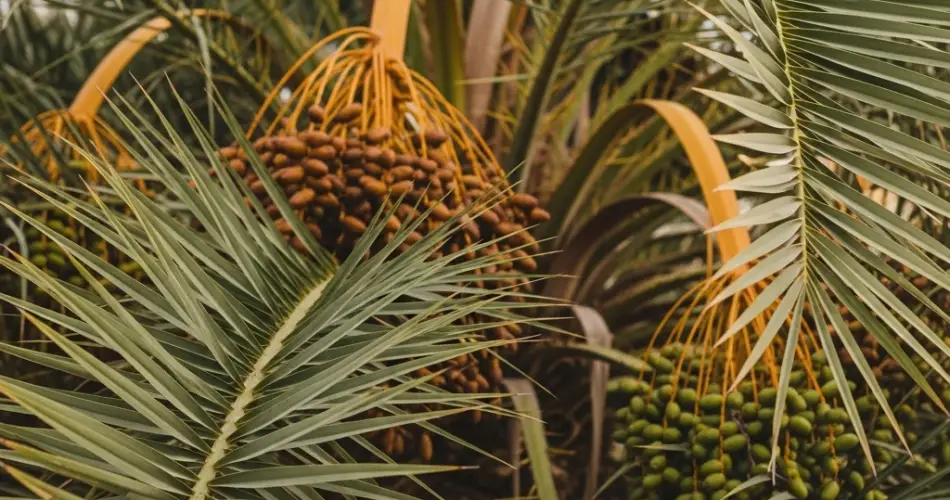
Date palms (Phoenix dactylifera) are iconic tropical trees admired for their graceful appearance and delicious fruit. While many date palms are propagated from offshoots or grafted plants, growing a date palm from seed is an exciting and rewarding process that any gardening enthusiast can undertake. Whether you want to add a tropical touch to your garden or eventually harvest your own dates, starting a date palm from seed requires patience, care, and the right techniques.
This comprehensive guide will walk you through the entire process—from seed selection and germination to ongoing care and maintenance.
Step 1: Selecting and Preparing Date Palm Seeds
The first step to growing a date palm from seed is obtaining fresh, viable seeds. You can either collect seeds from ripe dates or purchase them from reputable seed suppliers.
-
Choose fresh seeds: Seeds from fresh, ripe dates have a higher chance of germination. Avoid old or dried-out seeds.
-
Clean the seeds: Remove all the fruit pulp by soaking the seeds in warm water for 24 hours. This softens the pulp, making it easier to scrub off. Clean seeds reduce the risk of mold or fungal infection during germination.
Step 2: Germinating Date Palm Seeds
Date palm seeds have a hard outer shell, so proper preparation is essential to encourage germination.
Soaking:
Before planting, soak the seeds in warm water for 2 to 3 days, changing the water daily. This softens the seed coat and speeds up germination.
Planting:
-
Use a well-draining seed-starting mix or a blend of sand and peat moss.
-
Plant the seed about 2 to 3 cm (1 inch) deep, with the pointed end facing downward.
-
Keep the soil moist but not waterlogged.
Temperature and Environment:
Date palms thrive in warm conditions. Keep the seeds in a warm place, ideally between 25°C and 30°C (77°F to 86°F). Using a heat mat can improve germination rates. Covering the seed tray with plastic wrap or placing it in a mini-greenhouse helps maintain humidity.
Step 3: Germination Timeline and Tips
Date palm seeds can take anywhere from 4 to 8 weeks to germinate, and sometimes even longer. Patience is key!
-
Keep moisture consistent: The soil should stay moist but not soaked.
-
Avoid direct sunlight on seeds: Place them in indirect light until seedlings appear.
-
Be patient: Some seeds may sprout faster than others. Discard any seeds that mold or rot.
Step 4: Caring for Date Palm Seedlings
Once seedlings emerge, it’s time to care for them properly to ensure healthy growth.
-
Light: Seedlings need plenty of indirect sunlight. Avoid harsh midday sun, which can scorch young leaves.
-
Water: Keep the soil moist but allow the top inch to dry out between watering. Overwatering can cause root rot.
-
Temperature: Maintain a warm environment around 20°C to 30°C (68°F to 86°F).
-
Feeding: After 3 months, begin feeding with a balanced, water-soluble fertilizer diluted to half strength every 4 to 6 weeks.
Step 5: Transplanting Seedlings
When seedlings reach about 20 cm (8 inches) tall and have a few leaves, they can be transplanted to larger pots or outdoors if the climate permits.
-
Use a well-draining soil mix rich in organic matter.
-
Choose a pot with good drainage.
-
Handle seedlings gently to avoid damaging roots.
-
Place in a sunny location, gradually introducing them to full sun over a couple of weeks.
Step 6: Long-Term Care and Maintenance
Date palms are relatively low-maintenance once established but do require some ongoing care:
-
Watering: Mature palms are drought tolerant but grow best with regular watering during dry periods.
-
Fertilizing: Feed your date palm with a palm-specific fertilizer or balanced fertilizer with micronutrients during the growing season (spring to early fall).
-
Pruning: Remove dead or damaged fronds to maintain a neat appearance and promote healthy growth.
-
Pests and Diseases: Watch out for pests like spider mites and scale insects. Treat infestations early with insecticidal soap or neem oil.
Growing Date Palms Outdoors vs. Indoors
-
Outdoors: Date palms thrive in USDA zones 9-11, preferring full sun and well-drained soil. Protect young palms from frost or cold winds.
-
Indoors: Young date palms can be grown indoors in large containers. Place them near a bright window and maintain warm temperatures.
Final Thoughts
Growing a date palm from seed is a long-term project but extremely fulfilling. It may take several years before the palm grows large enough to produce fruit, but the unique beauty and tropical ambiance it brings are worth the wait. With proper care and patience, your seedling can develop into a majestic tree that can provide shade, beauty, and delicious dates for years to come.


