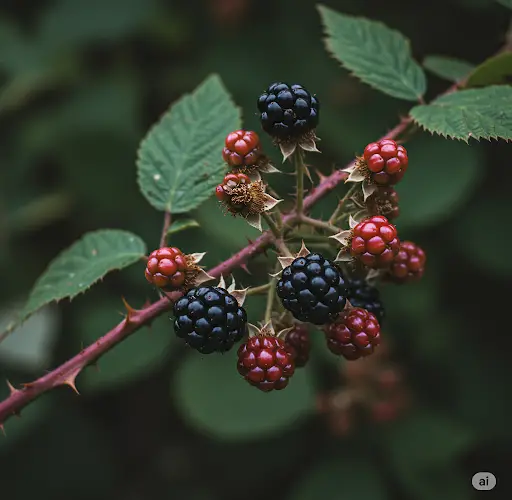
Blackberries are a rewarding fruit to grow, offering juicy, sweet berries for jams, desserts, and fresh eating. But did you know that a few simple steps taken in autumn can actually double your harvest the following summer? Autumn care is essential for blackberries because it’s the time when the plants recover from the growing season and prepare for the next one.
If you’re aiming for a larger, healthier crop, here’s what to do in autumn to maximize your blackberry yield.
1. Prune the Canes Properly
Blackberries produce fruit on two-year-old canes. After they bear fruit, these canes will die, and new ones (called primocanes) will take their place. If you leave the spent canes in place, the plant wastes energy, and overcrowding can reduce next year’s harvest.
How to do it:
-
Cut all the canes that fruited during the summer down to the ground.
-
Identify new canes that grew this year (these will bear fruit next season) and leave them in place.
-
Trim these new canes back slightly to about 4–5 feet tall to encourage lateral branches.
Removing dead wood and encouraging side shoots helps direct energy into fruit production, not excess growth.
2. Thin Out Weak Canes
Not all new canes are equally strong. Thinning them out ensures better air circulation and allows the plant to focus its resources on fewer, healthier branches.
Steps to follow:
-
Leave only the thickest and strongest canes—about 4 to 6 per plant is ideal.
-
Remove any weak, damaged, or overcrowded canes at the base.
-
Space the remaining canes evenly and tie them to a support or trellis if necessary.
This reduces disease risk and gives each cane the space it needs to grow and produce more berries.
3. Feed the Soil with Organic Matter
After pruning, the plant will benefit from a boost in nutrients to recover and prepare for winter. Autumn is the perfect time to enrich the soil.
Best materials to use:
-
Well-rotted compost
-
Aged manure
-
Leaf mold or shredded leaves
Apply a 2–3 inch layer of organic material around the base of the plant, being careful not to pile it directly against the stems. This will slowly break down and feed the roots throughout the colder months.
4. Mulch to Protect the Roots
A layer of mulch helps regulate soil temperature, retain moisture, and protect the plant’s roots from harsh winter conditions.
What to use:
-
Straw
-
Bark chips
-
Pine needles
Spread the mulch generously around the base of the plant, about 4–6 inches deep. This also helps suppress weeds and keeps the area tidy.
5. Water Deeply Before the Ground Freezes
Even though the weather is cooler, your blackberry plants still need water. Autumn watering helps the plants stay hydrated before going dormant.
Tips:
-
Water deeply once a week until the ground starts to freeze.
-
Focus on soaking the root zone rather than frequent shallow watering.
Proper hydration ensures the canes and roots are strong enough to survive winter and come back vigorously in spring.
6. Inspect for Pests and Diseases
Before winter sets in, take the time to check for any lingering pest problems or signs of disease.
What to look for:
-
Discolored or spotted leaves
-
Holes in leaves or cane damage
-
Signs of mold or mildew
Remove and dispose of any diseased plant material. Do not compost it, as this can spread the issue. Keeping the planting area clean reduces the chances of pests overwintering in the soil or plant debris.
7. Improve Support Structures
If your blackberry plants are trellised or tied to supports, autumn is a great time to inspect and repair these structures. Strong supports make pruning, harvesting, and maintenance much easier in the growing season.
Check for:
-
Loose wires
-
Rotting wooden stakes
-
Bent or sagging trellises
Reinforce or replace as needed so the canes have proper support when they begin to grow again in spring.
Final Thoughts
A little attention in autumn can lead to dramatic improvements in your blackberry harvest. By pruning, thinning, feeding, and protecting your plants, you set the stage for stronger growth and heavier yields. Most of these tasks require only a few hours of your time, but they can reward you with twice the berries next season.
Whether you’re growing blackberries for fresh eating, preserves, or freezing, these fall care tips will help ensure your efforts pay off with a bigger, better crop.


