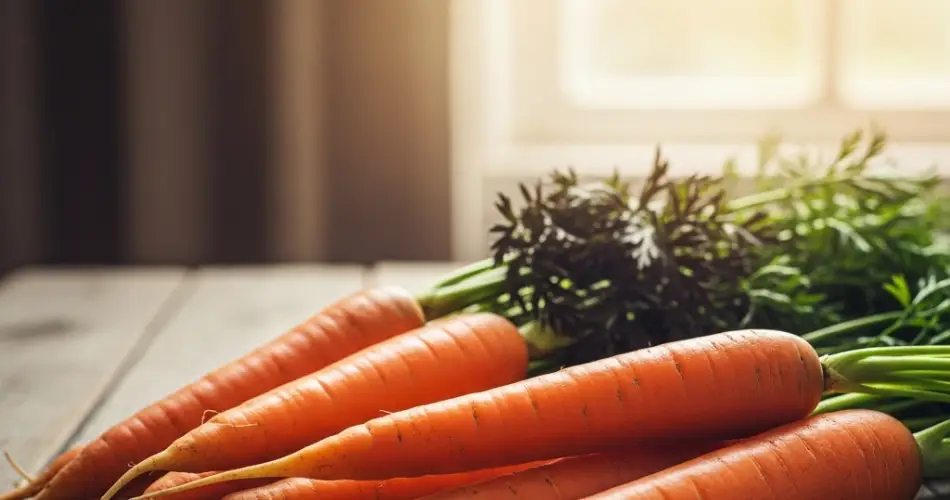
Carrots are a garden favorite thanks to their sweet flavor, versatility, and ability to grow in many climates. While many gardeners grow carrots as a seasonal crop, it’s entirely possible to enjoy a steady, year-round supply with a little planning and smart planting techniques. With staggered sowing, proper soil care, and a few strategic tips, you can harvest fresh, homegrown carrots every month—no supermarket required.
Here’s how to set up a continuous carrot harvest in your garden, step-by-step.
1. Understand Your Climate and Choose the Right Varieties
To grow carrots year-round, you first need to understand your region’s climate. In cooler areas, carrots grow best in spring and fall. In warmer climates, they can thrive nearly all year long.
Select carrot varieties suited for your local conditions:
-
Short-season varieties like ‘Thumbelina’ or ‘Parisian’ mature in 50–60 days—ideal for frequent sowing.
-
Heat-tolerant types like ‘Scarlet Nantes’ or ‘Kuroda’ perform well in warm seasons.
-
Cold-hardy varieties like ‘Chantenay’ or ‘Autumn King’ can grow through mild winters or under row covers.
By choosing a mix of varieties, you can tailor your sowing schedule to keep the harvests coming.
2. Prepare Loose, Fertile Soil
Carrots require deep, loose, stone-free soil to grow long, straight roots. Before planting, take time to prepare your beds properly:
-
Loosen soil to at least 12 inches deep using a fork or broadfork.
-
Remove rocks, clumps, or hard patches that could cause misshapen roots.
-
Mix in compost or aged manure to improve fertility and texture, but avoid high-nitrogen fertilizers, which can cause excessive top growth and forked roots.
-
Maintain a soil pH of 6.0 to 6.8 for optimal germination and growth.
Raised beds or deep containers work especially well if your native soil is heavy clay or rocky.
3. Sow Small Batches Every 2–3 Weeks
The key to a continuous carrot harvest is staggered planting. Rather than sowing all your seeds at once, plant a small row or patch every 2 to 3 weeks.
-
Start sowing in early spring and continue until late summer or early fall, depending on your climate.
-
In mild regions, sow through winter using row covers or cold frames.
-
Use succession planting to space out harvest times and avoid gluts.
For small spaces or containers, sow in alternating rows or quadrants to maximize your yield.
4. Keep Seeds Moist During Germination
Carrot seeds can be slow to germinate—sometimes taking 10–20 days. Consistent moisture during this period is critical for success.
-
Water lightly and often to keep the top inch of soil consistently damp.
-
Cover the seedbed with a piece of burlap, cardboard, or shade cloth to retain moisture and protect from heavy rain or sun.
-
Remove the cover once you see the first green sprouts.
Adding a thin layer of fine compost or vermiculite over seeds can also help prevent crusting and improve germination rates.
5. Thin Seedlings for Healthy Roots
Once seedlings are about 2 inches tall, thinning is essential to prevent overcrowding and promote strong, uniform root development.
-
Thin to 1 to 2 inches apart for small or round carrots, and 2 to 3 inches for larger varieties.
-
Snip excess seedlings at the soil line instead of pulling to avoid disturbing nearby roots.
You can use thinnings in salads as microgreens—nothing goes to waste!
6. Maintain Consistent Watering and Weed Control
Carrots require steady moisture to develop sweet, crisp roots. Drought stress can cause cracking or bitterness.
-
Water deeply once or twice a week, depending on rainfall and temperature.
-
Keep the soil moist but not soggy.
-
Mulch around plants to retain moisture and suppress weeds.
-
Remove weeds promptly, as they compete with young carrots for nutrients and water.
Healthy roots need stress-free conditions, so regular care pays off at harvest time.
7. Use Shade and Row Covers for Year-Round Growth
To grow carrots through hot summers or mild winters, simple protective tools can extend your growing season:
-
Use shade cloth during intense heat to prevent sunburn or bolting.
-
In cooler months, row covers or mini tunnels trap warmth and protect young plants from frost.
-
Carrots grown in fall or winter often develop better flavor due to the cool conditions.
Even in small gardens or balconies, these tools can help ensure a near-continuous harvest.
8. Harvest Smart and Store Properly
Carrots are ready to harvest when their shoulders begin to show above the soil and reach the desired size for the variety.
-
Use a hand fork to gently loosen the soil before pulling.
-
Harvest in batches as needed; carrots can remain in cool soil for weeks without spoiling.
-
For winter harvests, leave them in the ground under a layer of mulch until you need them.
-
Alternatively, store harvested carrots in damp sand or a root cellar for long-term use.
Staggered sowing means you’ll have carrots at different stages of maturity—perfect for a steady supply.
Final Thoughts
Growing a continuous supply of carrots is entirely achievable with thoughtful planning and simple techniques. By planting in succession, choosing the right varieties, and caring for your soil and seedlings, you can harvest fresh, flavorful carrots every month of the year. Whether you garden in the ground, in raised beds, or in containers, this method brings delicious rewards with just a bit of regular effort.


