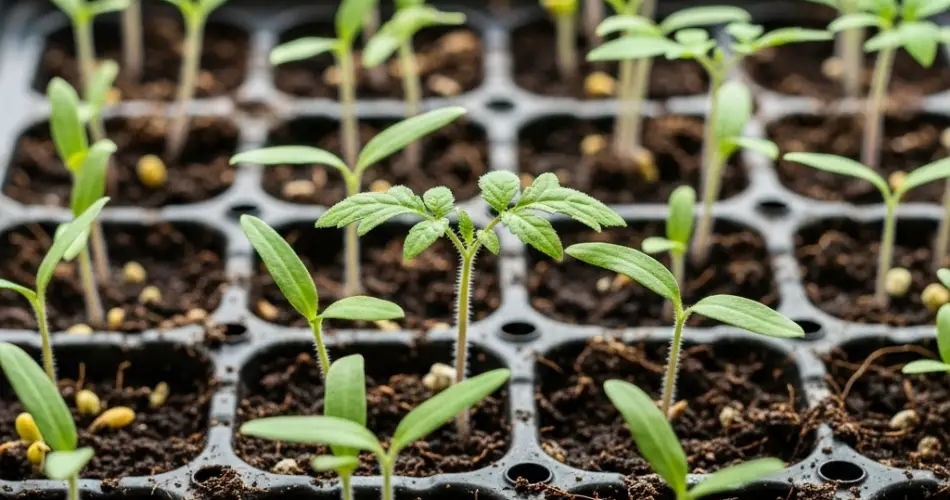
Tomatoes are one of the most rewarding crops to grow at home. With the right conditions, even a small space can yield a generous harvest of delicious, homegrown fruit. Whether you’re planning to grow your tomatoes in the garden or in pots on a balcony, everything starts with successful seed germination.
This article will guide you through the entire process of germinating tomato seeds—from selecting the seeds to ensuring strong, healthy seedlings ready for transplanting.
Why Germinate Tomatoes from Seed?
While you can buy tomato seedlings from nurseries, starting from seed offers several advantages:
-
Wider variety choices including heirlooms, cherry, beefsteak, and specialty types.
-
Stronger, disease-resistant plants as you control growing conditions from the beginning.
-
Cost-effective and satisfying—growing from seed gives you many plants for just a few cents.
Step 1: Choosing the Right Seeds
Start with quality seeds. Choose a variety that suits your climate and growing space. For example:
-
Cherry tomatoes for pots and balconies.
-
Roma or plum tomatoes for sauces and cooking.
-
Beefsteak varieties for slicing and sandwiches.
You can also germinate seeds from fresh tomatoes bought at the store, but results may vary since those fruits are often hybrids. For reliable yields, use certified seed packets.
Step 2: Preparing for Germination
To germinate tomato seeds successfully, you need a few basic supplies:
-
Seed trays or shallow containers
-
Seed-starting mix (light and well-draining)
-
Spray bottle or watering can
-
Clear plastic cover or plastic wrap
-
Heat mat (optional but helpful)
-
Labels (if planting multiple varieties)
Before planting, moisten the seed-starting mix. It should be damp but not soaking wet.
Step 3: Sowing the Seeds
-
Fill trays or containers with the prepared seed-starting mix.
-
Make small holes about 0.5 cm (¼ inch) deep.
-
Place one or two seeds in each hole.
-
Gently cover the seeds with soil and press lightly.
-
Mist the soil with a spray bottle to settle it.
Label each section if you’re using multiple tomato varieties.
Step 4: Creating the Ideal Germination Environment
Tomato seeds need warmth, moisture, and indirect light to sprout.
-
Temperature: Keep the soil between 21–27°C (70–80°F) for optimal germination. Use a heat mat if the ambient temperature is low.
-
Moisture: Cover the tray with a clear lid or plastic wrap to retain humidity. Remove it daily for ventilation and to prevent mold.
-
Light: Seeds don’t need light to sprout, but as soon as they emerge, move them to a bright area with indirect sunlight or under grow lights for 12–16 hours per day.
Step 5: Germination Timeline
Tomato seeds usually germinate in 5 to 10 days. Some varieties may take up to two weeks. During this time, keep the soil moist but not waterlogged. Check daily and mist if needed.
Once seedlings appear, remove the plastic cover and keep the soil evenly moist.
Step 6: Caring for the Seedlings
When the seedlings develop their first true leaves (the second set of leaves after the initial sprout), it’s time to thin them out. Remove the weaker seedling from each cell or container, leaving the strongest one.
Continue providing:
-
Plenty of light: Move them to a windowsill or under grow lights.
-
Gentle airflow: A small fan on low speed strengthens stems and reduces disease risk.
-
Water as needed: Keep the soil moist but avoid overwatering.
Step 7: Transplanting to Larger Pots
When the seedlings reach about 10–15 cm (4–6 inches) tall and have several leaves, they’re ready for transplanting into larger containers.
Use a rich potting mix and bury the stem up to the first leaves. Tomatoes develop roots along buried stems, resulting in stronger, more resilient plants.
Place them in a location with at least 6–8 hours of sunlight per day.
Step 8: Hardening Off Before Planting Outdoors
Before moving your tomatoes permanently outdoors, they need to be hardened off. This means gradually exposing them to outdoor conditions.
Over 7–10 days:
-
Place the plants outside in a shaded area for a few hours each day.
-
Gradually increase sun exposure and time outdoors.
-
Bring them in at night or if temperatures drop below 10°C (50°F).
After this period, your seedlings will be strong enough to handle outdoor life.
Final Thoughts
Germinating tomato seeds at home is a straightforward process that pays off with healthy, productive plants and delicious fruit. With proper preparation, warmth, moisture, and care, your seeds will transform into vigorous tomato plants ready to thrive in your garden or balcony.
Whether you’re a beginner or an experienced grower, this approach ensures a solid start for a bountiful harvest. Remember—great tomatoes start with healthy seedlings, and healthy seedlings start with smart germination.


