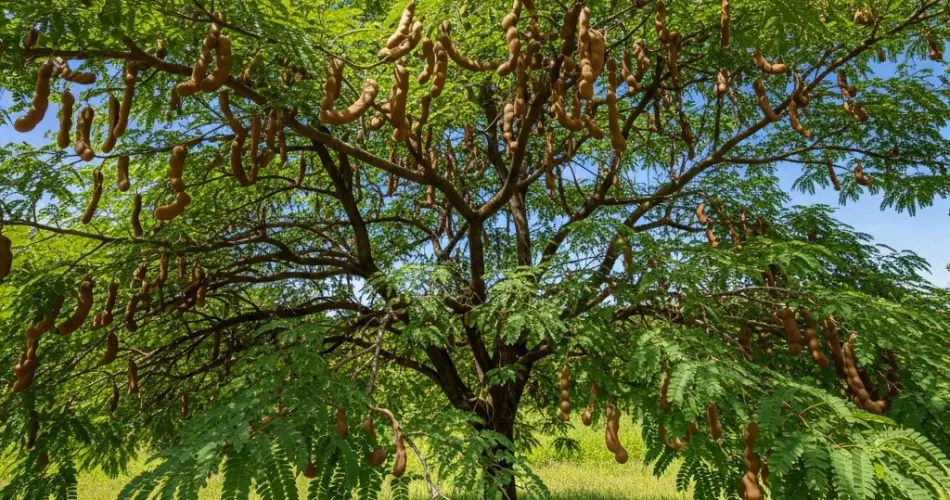

Tamarind (Tamarindus indica) is a tropical fruit tree known for its distinctive sweet-sour pods, widely used in cooking, traditional medicine, and refreshing drinks. While the tamarind tree is native to Africa, it is widely cultivated in Asia, Central and South America, and tropical regions around the world. What many don’t realize is that germinating tamarind seeds at home is surprisingly easy, and growing a tree from seed is a rewarding project for gardeners of all levels.
Whether you want to cultivate tamarind for its fruit or simply grow it as an ornamental tree, the seed-starting process is straightforward and requires very little equipment. With proper care and a bit of patience, you can enjoy your own tamarind plant—right from your windowsill or backyard.
What You’ll Need
Before getting started, gather the following items:
-
Tamarind pods (ripe and fresh) or store-bought tamarind seeds
-
A bowl of warm water
-
Paper towels or cotton pads
-
A resealable plastic bag or small container with a lid
-
Small pots with drainage holes
-
Potting soil (light, well-draining mix)
Step 1: Extract and Prepare the Seeds
Start by sourcing high-quality seeds. If you’re using whole tamarind pods, break them open and remove the seeds from the sticky pulp. Wash them thoroughly under running water to eliminate all the residue. Sticky pulp can cause mold during germination, so cleaning is essential.
If using store-bought tamarind seeds, make sure they are raw and not roasted or treated, as treated seeds will not germinate.
To speed up germination, you can soften the seed coat. There are two effective methods:
-
Soaking Method: Place the seeds in warm (not boiling) water for 24 hours. This softens the tough outer shell, encouraging faster sprouting.
-
Scarification (Optional): For even better results, gently nick or file one side of each seed with a nail file or sandpaper before soaking. This allows moisture to penetrate the seed coat more easily.
Step 2: Germinate the Seeds
After soaking, the seeds are ready to be placed in a humid environment to begin sprouting.
-
Moisten a paper towel or cotton pad with clean water.
-
Place the seeds inside, spacing them out evenly.
-
Fold the towel or pad over the seeds and place it in a resealable plastic bag or container.
-
Store the bag in a warm, dark place—ideally around 25–30°C (77–86°F). A kitchen cupboard or a spot near a sunny window works well.
Check the moisture level every couple of days. If the towel starts to dry out, re-moisten it with a spray bottle or a few drops of water.
Step 3: Wait for Sprouting
Tamarind seeds typically take between 5 to 10 days to germinate, though some may take a little longer. When the seeds begin to crack open and tiny roots emerge, they’re ready to be transplanted into soil.
Be gentle when handling the sprouted seeds, as the root tips are very delicate.
Step 4: Transplanting to Soil
-
Prepare small pots filled with a light, well-draining potting mix. A blend of garden soil, compost, and a bit of sand or perlite works well.
-
Plant each germinated seed about 1–2 cm (½–¾ inch) deep with the root facing downward.
-
Water lightly and place the pots in a bright area with indirect sunlight.
Maintain consistent moisture, but don’t overwater. The soil should be damp, not soggy.
Step 5: Seedling Care
Once your seedlings emerge, they’ll need:
-
Sunlight: Gradually introduce them to more direct sunlight. Tamarind trees love warmth and full sun.
-
Watering: Keep the soil moist during the seedling phase. As the plant matures, it will become more drought-tolerant.
-
Temperature: Tamarind thrives in tropical and subtropical climates. If you’re in a cooler region, keep the plant indoors or in a greenhouse during the colder months.
As the young plants grow, they can be transplanted into larger pots or directly into the garden if the climate is suitable.
Growing Tips
-
Tamarind is a slow-growing tree but is very hardy once established.
-
If grown in containers, prune occasionally to control size and encourage branching.
-
Fruit production can take several years (often 6–10), especially for trees grown from seed. However, they make beautiful ornamental trees and can be grown for shade and aesthetic purposes even without fruit.
Final Thoughts
Growing a tamarind tree from seed is a satisfying and educational gardening project. It requires minimal resources and offers a chance to watch the life cycle of a tropical tree unfold right before your eyes. Whether you’re interested in the fruit, the shade, or just the joy of growing something unique, this process is simple and effective.
Try it out, and you might be amazed at how easily you can bring a tropical tree to life—starting with just a few seeds and a little care.


