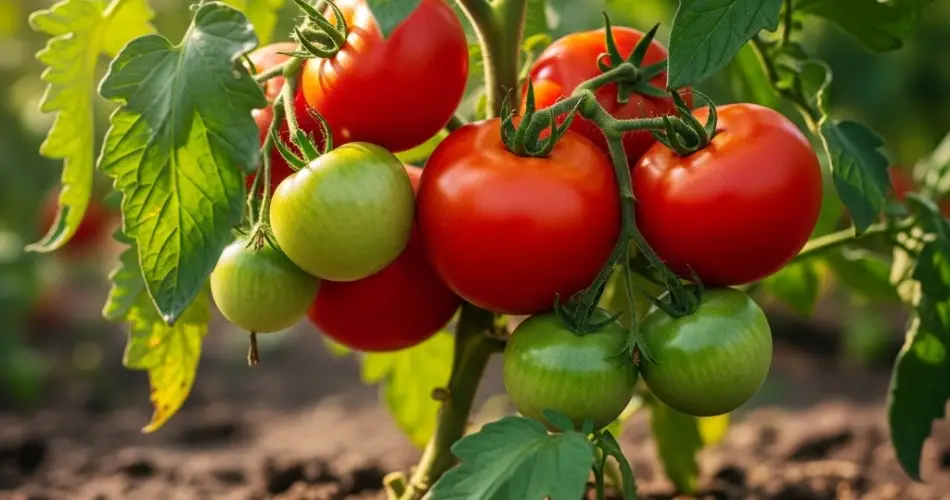
Tomatoes are among the most popular and rewarding plants to grow, but many gardeners wonder how to get a fast and successful start with seeds. What if you could germinate hundreds of tomato plants within just five days? And do tomatoes really germinate from inside the fruit itself?
In this article, we’ll explore efficient seed germination methods for tomatoes, explain how the seeds develop inside the fruit, and provide fertilization tips to ensure your seedlings grow into healthy, productive plants ready for a bountiful harvest.
Understanding Tomato Seed Germination
Tomato seeds are housed inside the fruit’s gel-like sacs. While the tomato itself won’t sprout new plants directly, the seeds inside are fully capable of germinating under the right conditions.
Do tomatoes germinate from inside? Not exactly. The seeds inside the tomato need to be extracted, cleaned, and properly dried before planting. The fruit’s pulp contains natural inhibitors that prevent premature germination while still inside the tomato.
To grow tomatoes from seeds, follow these key steps:
-
Extract seeds from ripe, healthy tomatoes.
-
Rinse seeds to remove pulp and any gel coating.
-
Dry seeds thoroughly to prevent mold.
-
Sow seeds in a warm, moist growing medium.
Preparing to Germinate Hundreds of Tomato Seeds Quickly
If you want to grow many plants quickly, preparation and optimal conditions are essential. Here’s how to do it:
1. Choose High-Quality Seeds
Select seeds from healthy, disease-free tomatoes or purchase from a reliable supplier. Heirloom and hybrid varieties have different traits, so choose what fits your climate and taste preferences.
2. Pre-Soak Seeds
Soaking seeds in warm water for 24 hours can speed up germination by softening the seed coat.
3. Use Seed Starting Mix
Use a sterile, lightweight seed-starting mix that retains moisture without becoming soggy. Avoid heavy garden soil that may harbor pathogens.
4. Provide Consistent Warmth
Tomato seeds germinate best at temperatures between 21°C and 27°C (70°F to 80°F). Using a seedling heat mat can help maintain ideal warmth.
5. Maintain Moisture
Keep the soil consistently moist but not waterlogged. Cover trays or containers with plastic wrap or use humidity domes to retain moisture and warmth.
Germination Timeline and How to Speed It Up
Tomato seeds typically germinate within 5 to 10 days under good conditions. To push for the shorter end of this timeline:
-
Keep the seed-starting mix warm and moist.
-
Use pre-soaked seeds to accelerate sprouting.
-
Provide indirect light after seeds emerge to encourage healthy growth.
In ideal conditions, you can see sprouts in as little as 3 to 5 days, allowing you to grow hundreds of seedlings rapidly.
Fertilization for Tomato Seedlings
Once seedlings emerge, proper fertilization is vital to promote healthy growth and prepare plants for eventual transplantation.
Begin feeding when seedlings develop their first true leaves. At this stage, the seedling has exhausted its initial energy reserves and requires nutrients to continue growing.
-
Use a diluted balanced fertilizer (e.g., 10-10-10 NPK or similar) at quarter strength.
-
Fertilize every 7-10 days.
-
Avoid over-fertilizing, which can cause leggy growth or damage roots.
Organic options such as fish emulsion or seaweed extract also work well and provide micronutrients.
Transplanting and Continued Care
When seedlings are 3-4 inches tall and have a few sets of leaves, it’s time to transplant them into larger pots or your garden.
-
Harden off seedlings by gradually exposing them to outdoor conditions.
-
Choose sunny locations with well-draining soil.
-
Space plants 18-24 inches apart for proper air circulation and growth.
Continue feeding with a tomato-specific fertilizer during the growing season to support fruit production.
Harvesting Tomatoes
Depending on the variety, tomatoes typically take 60-85 days from transplanting to harvest. Watch for signs of ripeness:
-
Fruit color changes from green to red, orange, yellow, or other variety-specific colors.
-
The fruit feels firm but yields slightly to gentle pressure.
-
Aroma is sweet and fresh.
Harvest regularly to encourage continuous fruiting.
Troubleshooting Common Issues
-
Poor Germination: May be caused by old or improperly stored seeds, cold soil, or overly dry/wet conditions.
-
Damping-off Disease: Seedlings collapse due to fungal pathogens; prevent by using sterile soil and proper watering.
-
Leggy Seedlings: Insufficient light leads to tall, weak plants; ensure bright indirect light after germination.
Conclusion
Germinating hundreds of tomato plants in just five days is achievable with the right techniques and attention to detail. Understanding that seeds must be properly extracted and prepared, maintaining optimal warmth and moisture, and providing appropriate fertilization will set your seedlings on a path to vigorous growth.
With care, these seedlings will mature into healthy tomato plants, rewarding you with an abundant, delicious harvest.


