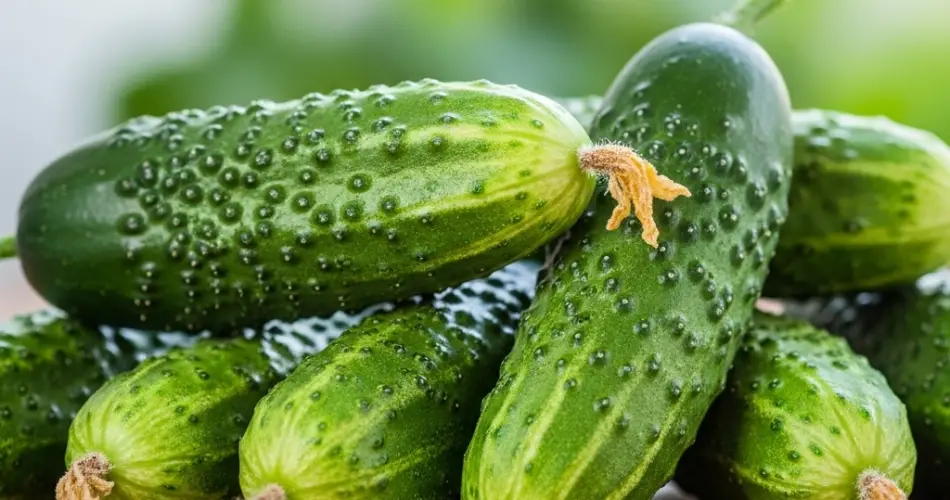
Cucumbers are among the most rewarding vegetables to grow at home. With their fast growth, abundant yield, and refreshing taste, cucumbers can be cultivated in gardens, greenhouses, or even containers on a balcony. This guide covers the full journey—from seed germination to harvest—so you can enjoy a thriving cucumber crop in your own space.
Why Grow Cucumbers at Home?
Homegrown cucumbers are crisp, chemical-free, and full of flavor. They’re great in salads, pickled, or enjoyed fresh on hot days. Plus, cucumber plants produce prolifically once they get going, making them an ideal choice for both beginner and experienced gardeners.
Growing them from seed allows for more variety, better root development, and a more resilient plant compared to store-bought seedlings.
Step 1: Germinating Cucumber Seeds
When to Start
Cucumber seeds germinate best in warm conditions, so sow them in spring or early summer once nighttime temperatures consistently stay above 15°C (59°F).
Materials Needed
-
Cucumber seeds
-
Seed trays or small pots
-
Seed-starting mix or loose, fertile soil
-
Spray bottle or watering can
-
Clear plastic wrap or humidity dome (optional)
Germination Steps
-
Soak the seeds: Soak cucumber seeds in water for 8–12 hours before planting to speed up germination.
-
Prepare the soil: Use a seed-starting mix that is light and well-draining.
-
Plant the seeds: Sow each seed about 1–2 cm (½–¾ inch) deep in individual pots or compartments.
-
Keep warm and moist: Place the containers in a warm, well-lit area (ideally 22–28°C / 72–82°F). Cover with clear plastic wrap to retain humidity.
-
Water gently: Keep the soil moist but not soaked using a spray bottle or fine watering can.
Germination Time
Seeds typically sprout within 4–8 days, depending on temperature and seed quality. Once seedlings emerge, remove any covering and provide good light, either from a sunny window or grow light.
Step 2: Transplanting the Seedlings
When the seedlings have 2–3 sets of true leaves and outside temperatures are consistently warm, it’s time to transplant them into their final location.
Where to Plant
-
Garden beds: Choose a sunny location with rich, loose soil and good drainage.
-
Pots or containers: Use containers at least 30 cm (12 inches) deep with drainage holes.
-
Vertical support: Cucumbers grow best with trellises or vertical stakes to climb.
Spacing
Leave at least 30–40 cm (12–16 inches) between plants to ensure good airflow and reduce the risk of disease.
Transplant Tips
-
Harden off seedlings by gradually exposing them to outdoor conditions over 5–7 days.
-
Water the soil before and after transplanting to reduce shock.
-
Plant carefully to avoid disturbing the roots.
Step 3: Caring for Your Cucumber Plants
Cucumbers grow quickly and need regular attention to stay healthy and productive.
Watering
Cucumbers need consistent moisture, especially during flowering and fruiting. Water deeply 2–3 times per week, keeping the soil evenly moist but not soggy. Avoid wetting the leaves to reduce fungal issues.
Feeding
Feed every 10–15 days with a balanced liquid fertilizer or compost tea. Once flowering begins, switch to a potassium-rich fertilizer to support fruit development.
Mulching
Apply straw or dry leaves around the base of the plants to retain moisture, suppress weeds, and keep fruits clean.
Pollination
Cucumbers produce both male and female flowers. Bees and other pollinators help with fertilization, but if you’re growing indoors or in a low-pollination area, hand-pollination may be needed.
Step 4: Watching the Evolution
As the plant grows, you’ll notice:
-
Fast vine development once the plant establishes.
-
Yellow flowers indicating the beginning of fruit production.
-
Small cucumbers forming shortly after female flowers are pollinated.
Ensure vines are supported and keep removing yellowing leaves or any diseased growth. Regular monitoring helps you catch pests like aphids, whiteflies, or powdery mildew early.
Step 5: Harvesting Cucumbers
Cucumbers are typically ready to harvest within 50–70 days from germination. Harvesting regularly encourages the plant to continue producing.
When to Harvest
-
Pick cucumbers when they are firm, bright green, and about 15–20 cm (6–8 inches) long.
-
Avoid letting fruits grow too large or yellow, as this can make them bitter and reduce further flowering.
Use a sharp knife or scissors to cut the fruit, leaving a short stem attached to avoid damaging the vine.
Final Thoughts
Growing cucumbers from seed is simple, fast, and deeply rewarding. With proper care, you’ll be rewarded with a generous harvest throughout the season. Whether in the ground or in containers, cucumbers adapt well to different environments and bring a refreshing touch to any home garden.
With just a bit of attention to warmth, water, and support, you can watch your cucumber plant evolve from tiny sprout to a lush, fruit-bearing vine—ready to provide fresh, crisp produce straight from your garden.


