Collars are one of the first parts of a shirt to show signs of wear. Whether it’s fraying edges, fading fabric, or simply losing its crisp shape, a tired-looking collar can make an otherwise good shirt look old and neglected. For many people, the immediate solution is to retire the garment or spend money at the tailor’s. But what if you could refresh and repair a worn collar at home in just five minutes using a simple trick professional tailors have been using for years?
This method not only saves money but also extends the life of your favorite shirts, keeping them looking polished and new without a trip to the alterations shop. Let’s explore the problem, why collars wear out so quickly, and how to fix them with this easy tailoring secret.
Why Collars Wear Out Faster Than the Rest of the Shirt
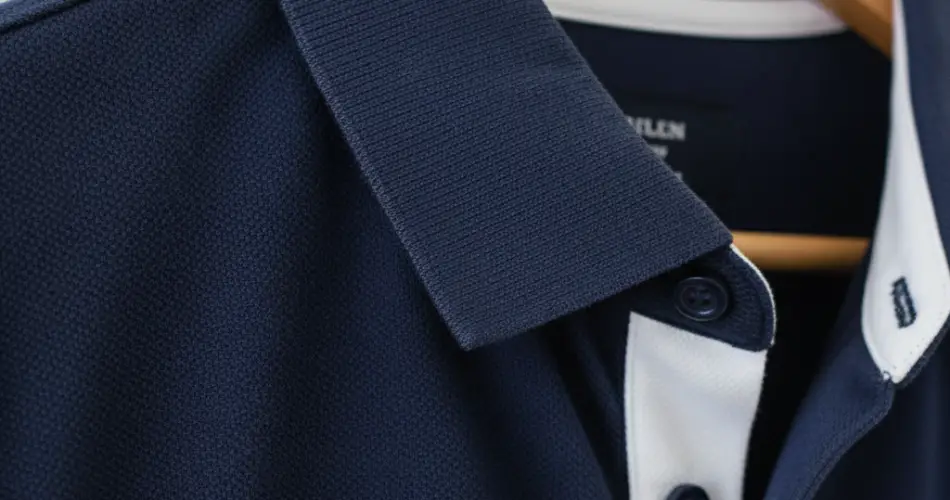
Collars are subjected to more friction, moisture, and stress than almost any other part of a shirt. Daily wear exposes them to sweat, oils from the skin, and constant rubbing against the neck. Washing and ironing further weaken the fibers over time. While the body of the shirt may remain in good condition, the collar can begin to:
-
Fray along the edges
-
Lose its stiffness or shape
-
Fade in color compared to the rest of the shirt
-
Curl instead of lying flat
Because the collar frames the face, it’s also one of the most visible parts of the garment. A worn collar can make even a freshly pressed shirt look untidy.
The Tailors’ Trick to Restore a Collar
Professional tailors know a simple method to give a worn collar a second life: reversing the collar. It may sound complicated, but it’s surprisingly straightforward. Here’s how it works:
-
Check the underside of the collar
Most shirt collars are constructed from one piece of fabric folded over. The underside is often less exposed to wear and can look nearly new compared to the visible side. -
Flip the collar
By carefully detaching the collar from the neckline seam and reattaching it in reverse, the fresher underside becomes the new visible side. This instantly hides fraying or fading without adding new fabric. -
Re-sew neatly
Once reversed, the collar is stitched back into place. The shirt looks almost brand-new, and the repair is practically invisible to anyone who isn’t looking closely.
For tailors, this quick repair takes only minutes. For someone handy with a needle and thread—or with access to a sewing machine—it’s a simple at-home project.
A 5-Minute At-Home Alternative
If you don’t have sewing skills or time for a full reversal, there’s also a quick fix that can refresh your collar temporarily:
-
Iron with starch or fabric spray: This adds crispness and makes the collar hold its shape better.
-
Use collar stays or strips: These adhesive products stick to the underside of the collar and hide fraying edges.
-
Fold strategically: If the fraying is minor, pressing the collar differently can conceal worn spots for the day.
While these quick fixes don’t last as long as a proper reversal, they can instantly improve the look of a shirt before an important meeting or event.
Preventing Collar Wear in the First Place
Of course, the best solution is to avoid heavy wear on collars altogether. Here are some preventive tips:
-
Rotate your shirts: Wearing the same shirts repeatedly accelerates wear in specific areas.
-
Wash gently: Over-washing and high heat break down fibers quickly. Wash shirts in cold or warm water and avoid harsh spin cycles.
-
Pre-treat sweat areas: Use mild detergents or vinegar solutions on the collar area before washing to reduce oil buildup.
-
Use proper ironing techniques: Press collars carefully without dragging the iron aggressively across the fabric.
-
Store correctly: Hanging shirts with ample space between them reduces friction and keeps collars crisp.
Why This Trick Works
Reversing a collar is one of those classic tailoring secrets that proves you don’t always need to buy new clothes when old ones show signs of wear. Shirts are often made from durable fabric, and much of the garment remains in excellent condition even when the collar weakens. Instead of discarding the whole shirt, this simple repair makes use of fabric that’s already part of the garment, extending its life and reducing waste.
Not only is this approach economical, but it’s also sustainable. By keeping clothes in circulation longer, you reduce the demand for constant replacements and help cut down on textile waste—a growing environmental issue worldwide.
Final Thoughts
A worn collar doesn’t mean it’s time to say goodbye to your favorite shirt. With the tailors’ trick of flipping the collar, you can restore its fresh, crisp look in as little as five minutes. For those who prefer a quick, temporary solution, starch, adhesive strips, or clever ironing can also do the job in a pinch.
By taking a few minutes to care for your collars, you’ll save money, extend the life of your wardrobe, and look sharp without the expense of constant replacements. The next time you notice your shirt collar looking tired, try this simple tailoring secret—you’ll be amazed at how new your shirt looks again.