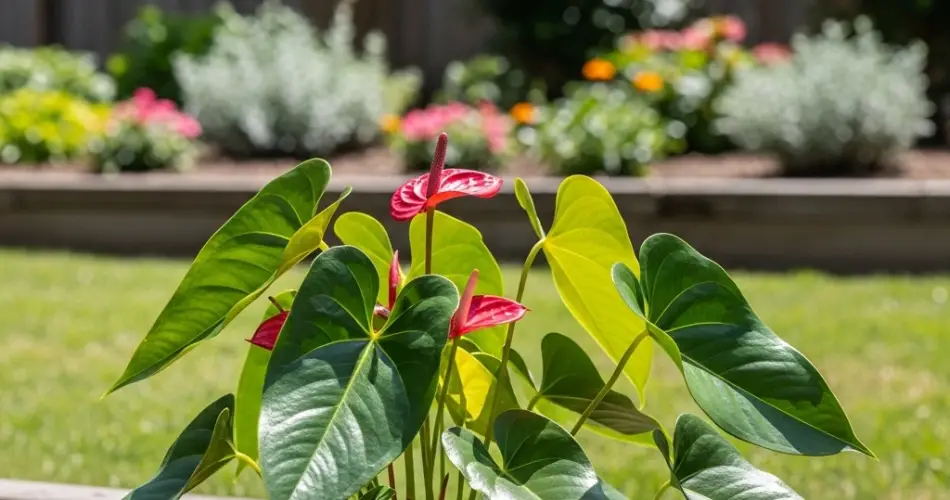
Anthuriums, with their striking heart-shaped leaves and vibrant spathes, are among the most captivating tropical plants you can grow at home. Whether you’re looking to add a splash of color to your garden or simply enjoy easy-care plants, anthuriums are a fantastic choice. Despite their exotic appearance, these plants are surprisingly low-maintenance and thrive with minimal effort—making them perfect even for beginner gardeners.
With the right environment and a few simple techniques, you can enjoy flourishing anthuriums in your backyard without hassle. Here’s a complete guide to help you get started.
Why Grow Anthuriums?
Anthuriums are native to Central and South America and belong to the Araceae family. They are commonly grown for their colorful spathes, which are often mistaken for flowers, and their dark, glossy foliage. These long-lasting plants make stunning ornamental additions to any garden.
Besides their beauty, anthuriums are also resilient and adaptable. With proper placement and care, they can thrive in a backyard setting, even without constant attention.
Step 1: Choose the Right Location
Anthuriums prefer bright, indirect sunlight. In a backyard setting, choose a spot that gets filtered light—such as under taller plants, near a wall, or under a shade net. Direct sunlight can scorch the leaves, while too little light can reduce flowering.
If you live in a region with strong sunlight, dappled shade or morning sun with afternoon shade works best.
Step 2: Select the Ideal Soil Mix
Anthuriums don’t like heavy or compacted soils. To mimic their natural tropical environment, use a light, airy growing medium with good drainage. A suitable soil mix might include:
-
Orchid bark or coconut husk
-
Perlite or pumice
-
Peat moss or composted leaves
This kind of mix allows water to drain easily while retaining enough moisture for healthy root development.
Step 3: Planting the Anthurium
You can grow anthuriums from nursery plants or propagate them from cuttings or divisions. If you’re using a potted plant from a garden center, gently remove it from the pot and loosen the roots before transplanting.
Dig a shallow hole in your prepared garden bed or raised planter. Place the plant with its crown slightly above soil level to prevent rot. Fill in with the soil mix and press gently around the base.
Water lightly after planting to help the soil settle.
Step 4: Watering with Care
One of the easiest ways to care for anthuriums is to get the watering right. These plants like humidity but not soggy roots.
-
Water when the top inch of soil feels dry.
-
In hot or dry conditions, increase humidity by misting the leaves or placing a shallow dish of water nearby.
-
Avoid letting water sit around the roots for too long, as this can cause root rot.
A regular but moderate watering schedule is the key to keeping your plant happy.
Step 5: Fertilize for More Blooms
To encourage vibrant blooms and healthy foliage, feed your anthurium monthly during the growing season (spring and summer). Use a balanced liquid fertilizer diluted to half-strength, or opt for one that’s higher in phosphorus to promote flowering.
Avoid over-fertilizing, as too much can burn the roots and reduce the plant’s overall health.
Step 6: Keep Pests and Problems at Bay
Anthuriums are relatively pest-resistant, but occasionally they may attract aphids, mealybugs, or spider mites. Check the undersides of leaves regularly and treat any infestations with natural solutions such as neem oil or insecticidal soap.
Yellowing leaves may indicate overwatering, poor drainage, or a lack of nutrients. Adjust your care routine accordingly to restore plant health.
Step 7: Propagate for More Plants
Once your anthurium matures, you can propagate it through division. Gently separate the root ball into smaller sections, each with at least one stem and some roots. Replant each division in its own spot or pot using the same loose, well-draining mix.
This method is a great way to expand your garden or share plants with friends.
Benefits of Growing Anthuriums in the Backyard
-
Low maintenance: Ideal for gardeners with little time or experience.
-
Tropical beauty: Adds vivid color and lush texture to any outdoor space.
-
Long blooming period: Flowers can last for weeks or even months.
-
Air-purifying: Like many tropical plants, anthuriums help improve air quality.
-
Space-efficient: Suitable for borders, containers, and even vertical gardens.
Final Thoughts
Cultivating anthuriums in your backyard doesn’t require expert knowledge or fancy tools. With a bit of planning and minimal effort, you can enjoy a vibrant display of these tropical beauties all year round. Just remember to provide indirect light, well-draining soil, and a touch of humidity—and your anthuriums will reward you with lush foliage and brilliant blooms.
Whether you’re a seasoned gardener or a complete beginner, adding anthuriums to your backyard is an easy, rewarding way to elevate your green space.


