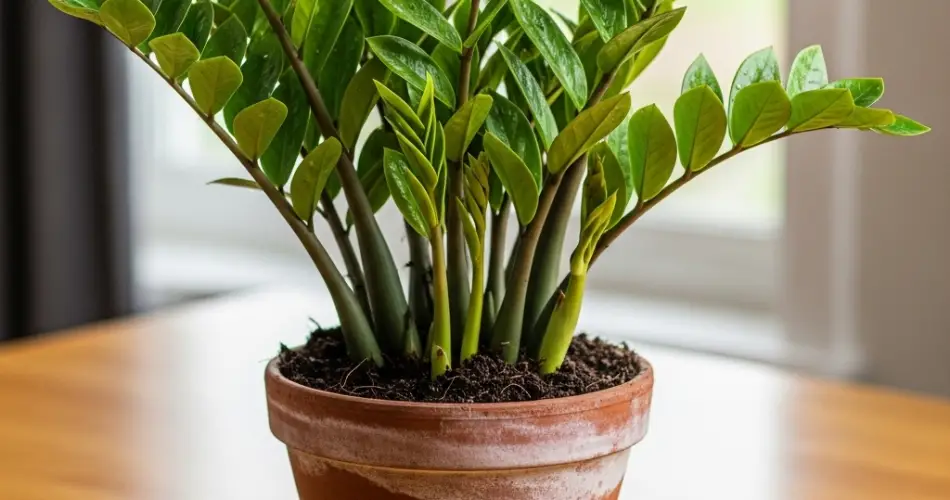
The ZZ plant (Zamioculcas zamiifolia) is a popular choice for indoor gardeners due to its hardiness and elegant, waxy foliage. Known for tolerating low light and irregular watering, it thrives even in less-than-ideal conditions. But despite its reputation for being low-maintenance, one of the most important factors for keeping your ZZ plant healthy is selecting the right pot. The container you choose directly affects root health, watering, and overall growth. Here’s a comprehensive guide to help you pick the best pot for your ZZ plant.
Why the Right Pot Matters
ZZ plants have thick rhizomes (underground storage organs) that hold water and allow the plant to survive drought. These rhizomes are prone to rot if they sit in soggy soil for too long, which is why drainage and pot size are critical. The right pot helps:
-
Prevent overwatering issues
-
Promote healthy root development
-
Reduce the risk of fungal infections
-
Support the plant’s weight and shape
Choosing the wrong container may lead to stunted growth, yellowing leaves, or even root rot—especially if the pot holds too much water or lacks drainage.
Drainage Is Non-Negotiable
The most essential feature of a ZZ plant pot is a drainage hole. Without proper drainage, excess water collects at the bottom of the pot, leading to soggy soil conditions that ZZ plants cannot tolerate. Even though this plant is drought-tolerant, too much moisture will damage its roots quickly.
When buying a pot, always choose one with at least one sizable drainage hole. If you love decorative pots without drainage, use them as outer cachepots—place your plant in a functional nursery pot inside the decorative container. This way, you can remove the inner pot for watering and ensure the roots don’t sit in water.
Choosing the Right Size
Size plays an important role in ZZ plant care. A pot that’s too small can cause the roots and rhizomes to become crowded, stunting growth. On the other hand, a pot that’s too large retains too much moisture and increases the risk of overwatering.
Ideally, choose a pot that is about 1 to 2 inches larger in diameter than the plant’s current root ball. This gives the roots room to grow without leaving excess soil that could stay too wet between waterings. If repotting, move up just one pot size to maintain a healthy balance of space and soil moisture.
Material Matters: What Your Pot is Made Of
The material of your pot also affects how often you’ll need to water and how well the roots can breathe. Here’s a breakdown of common materials and their pros and cons for ZZ plants:
-
Terracotta or Clay Pots:
These are breathable and wick moisture away from the soil, making them excellent for preventing overwatering. However, they’re heavy and may dry out a bit faster than other options. -
Plastic Pots:
Lightweight and inexpensive, plastic pots retain moisture well. They’re a great choice if you’re careful with watering, but they don’t offer much airflow to the roots. -
Ceramic Pots (Glazed):
These are beautiful and come in various styles, but they can trap moisture like plastic. Ensure they have a drainage hole if using them as the main pot. -
Fabric Grow Bags:
Though unconventional indoors, fabric pots offer excellent drainage and aeration. They’re useful in cases where root health is a top concern, though less decorative.
Consider Stability and Weight
ZZ plants can grow tall and a bit top-heavy, especially as they mature. Choose a pot that offers a stable base to avoid tipping over. Heavy materials like terracotta or concrete work well for larger ZZ plants, while lighter pots may need a broader base or placement in a heavier outer container to stay balanced.
When to Repot Your ZZ Plant
ZZ plants don’t need frequent repotting—they actually prefer being slightly root-bound. However, signs it’s time to repot include:
-
Roots growing out of drainage holes
-
Slowed growth during the growing season
-
Water running straight through the pot quickly
-
Soil that dries out too fast
Repot every 2–3 years, ideally in spring or early summer, to refresh the soil and give the plant more space.
Aesthetic and Practical Considerations
While function should come first, there’s no harm in choosing a pot that complements your décor. Whether you prefer minimalist, modern, rustic, or vibrant styles, just make sure the pot meets your ZZ plant’s basic needs: proper size, adequate drainage, and a stable structure.
You can also use a double-potting method—keeping your ZZ in a plain plastic nursery pot and placing it inside a more decorative container. This makes watering easier and keeps aesthetics intact without compromising plant health.
Final Thoughts
Choosing the best pot for your ZZ plant is more than just a style decision—it directly affects the plant’s health and longevity. Prioritize drainage, appropriate sizing, and materials that suit your watering habits. With the right container, your ZZ plant will remain one of the most reliable and attractive additions to your indoor plant collection.


