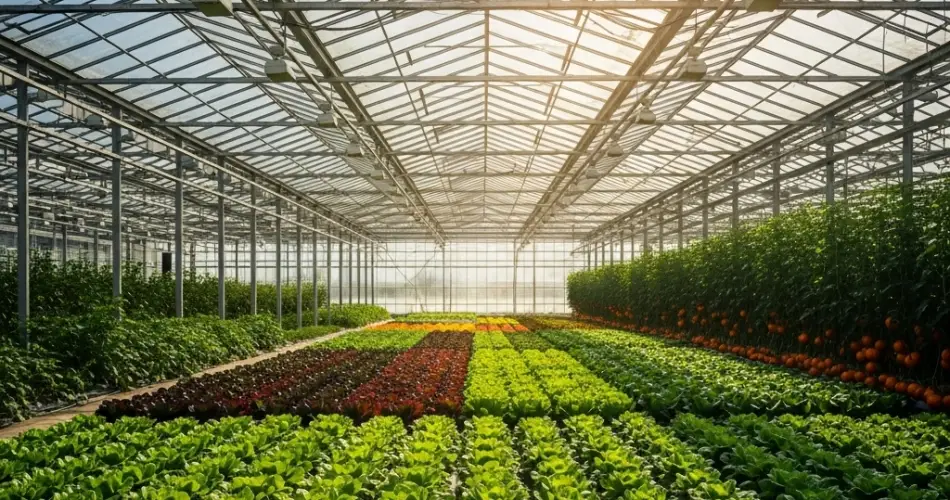
A greenhouse can significantly extend your growing season, protect your plants from harsh weather, and improve yields. But with so many types of greenhouse coverings available—especially plastic films in various colors—it can be overwhelming to choose the right one for your garden. One of the most common questions gardeners ask is: Does the color of the greenhouse plastic really make a difference?
The answer is yes. The type and color of the plastic you use plays a crucial role in how much light, heat, and UV radiation enters your greenhouse—and therefore how your plants grow. This article breaks down what you need to know when choosing the best plastic greenhouse cover for your garden.
Why Use Plastic in Greenhouses?
Plastic films are popular for home and small-scale greenhouses because they’re lightweight, affordable, easy to install, and highly effective at trapping heat and humidity. Unlike glass, which is expensive and fragile, plastic is more adaptable for different climates and budgets. However, not all plastic is the same, and understanding the differences is essential for making the right choice.
The Role of Light and Heat in Greenhouses
Plants need light to photosynthesize, but they also need warmth to grow efficiently. A good greenhouse cover should:
-
Allow sufficient light to pass through
-
Retain heat during colder periods
-
Protect against harmful UV rays
-
Reduce excessive heat in hot climates
That’s where the color and type of plastic come into play.
Types of Greenhouse Plastic and Their Colors
There are three main categories of greenhouse plastic based on their opacity and color:
1. Transparent Plastic (Clear or Crystal Clear)
-
Purpose: Allows the maximum amount of light to enter the greenhouse.
-
Best for: Starting seedlings and growing sun-loving plants like tomatoes, peppers, and herbs.
-
Pros:
-
High light transmission
-
Warms up quickly during the day
-
-
Cons:
-
Can cause overheating in summer
-
Less diffused light, which may create uneven growth
-
Transparent plastic is ideal for cooler climates where maximizing sunlight is a priority. It works well for greenhouses used early in the growing season when sunlight and warmth are limited.
2. Diffused or White Plastic
-
Purpose: Scatters sunlight, creating more even light distribution inside the greenhouse.
-
Best for: Regions with intense sun or for delicate crops like lettuce, spinach, and ornamental plants.
-
Pros:
-
Reduces hot spots and plant stress
-
Encourages uniform growth
-
Helps prevent leaf burn
-
-
Cons:
-
Slightly lower light transmission compared to clear plastic
-
Diffused plastic is a great option if your region has strong sunlight or you’re growing crops that are sensitive to heat and light intensity.
3. Colored Plastic (Green, Yellow, Blue, etc.)
-
Purpose: Filters specific wavelengths of light
-
Best for: Specialized crops or experimental gardening
-
Pros:
-
Can control specific plant traits (e.g., flowering, leaf size)
-
-
Cons:
-
May reduce overall light availability
-
Not suitable for all crops
-
Green-colored plastic, for example, transmits less light and is typically used for shade-loving plants or in decorative garden tunnels. Blue or red plastics may be used in commercial operations to manipulate flowering cycles, but they’re not recommended for general gardening unless you have specific goals.
Other Factors to Consider
Besides color, also consider the following:
-
UV Stability: Choose UV-resistant plastic that won’t degrade quickly under sun exposure. Most quality greenhouse films are rated to last between 3 to 5 years.
-
Thickness: Measured in microns or mils, thicker plastic is more durable but slightly less transparent. A common thickness for home greenhouses is 150 to 200 microns (6 to 8 mils).
-
Anti-drip or Anti-condensate Coating: Reduces water droplets from forming inside, which can block light and promote disease.
-
Reinforced Film: Some plastic films include mesh or fiber reinforcement for better resistance against tearing and wind.
Matching Plastic to Purpose
Here’s a quick guide:
| Purpose | Best Plastic Type |
|---|---|
| Starting seedlings in spring | Transparent/clear film |
| Growing vegetables in warm climate | Diffused/white film |
| Growing shade-loving plants | Green-tinted film |
| All-purpose gardening | UV-treated transparent or diffused film |
Final Thoughts
Choosing the right greenhouse plastic is about balancing light transmission, heat retention, and plant needs. If you live in a cold area and need maximum sunlight, go with a clear plastic. If you’re in a hot climate and want to protect delicate crops, opt for diffused white plastic. And if you’re experimenting with plant responses or shading certain crops, colored plastics might be worth exploring.
Remember: the plastic you choose will shape the microclimate inside your greenhouse—so choose wisely, and your plants will thank you.


