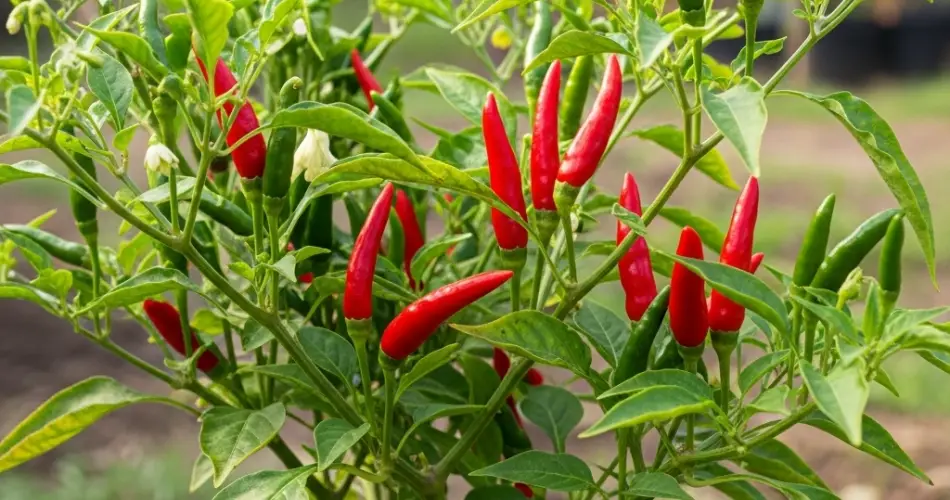
Chili peppers are a favorite crop among gardeners for their vibrant colors, bold flavors, and versatile culinary uses. Whether you’re growing mild jalapeños or fiery habaneros, one common goal remains: increasing fruit yield. Fortunately, you don’t need synthetic fertilizers or chemicals to get more chilies. With the right natural techniques, you can boost production, enhance flavor, and maintain healthy plants throughout the growing season.
This guide offers practical, natural methods to help you grow more chilies and get the best out of your plants.
1. Choose High-Yielding, Climate-Appropriate Varieties
The first step to maximizing chili production starts with selecting the right varieties for your local climate. Some chili types are better suited for heat and drought, while others thrive in cooler or more humid conditions.
Tips:
-
For hot, dry areas, try cayenne, Thai chili, or bird’s eye varieties.
-
In cooler regions, jalapeños and Hungarian wax peppers are good options.
-
Choose hybrid or open-pollinated varieties known for high yields.
Planting varieties adapted to your growing zone ensures healthier plants that produce more fruit over time.
2. Improve Soil Health Organically
Chili plants prefer well-draining, nutrient-rich soil with a slightly acidic to neutral pH (6.0–7.0). Healthy soil is the foundation of productive plants.
Natural soil-boosting methods:
-
Mix in compost or aged manure before planting.
-
Add crushed eggshells for calcium, which prevents blossom-end rot.
-
Apply worm castings or compost tea every few weeks to enrich soil biology.
Amending the soil with organic matter increases microbial activity, which enhances nutrient availability and supports strong root development.
3. Use Natural Fertilizers to Promote Flowering and Fruiting
Chili plants are heavy feeders, especially during flowering and fruiting. Use organic fertilizers rich in potassium and phosphorus to encourage blooms and fruit set.
Effective natural fertilizers:
-
Banana peel tea – rich in potassium, easy to make at home.
-
Fish emulsion – provides a balanced nutrient boost and encourages leafy growth early in the season.
-
Wood ash – supplies potassium, but use sparingly and only if your soil isn’t too alkaline.
-
Compost tea or seaweed extract – enhances flowering and root strength.
Avoid overusing nitrogen-rich fertilizers, which promote lush foliage but can delay or reduce fruit production.
4. Water Deeply and Consistently
Watering plays a major role in chili yield. Inconsistent watering can cause flower drop, bitter-tasting fruits, or issues like blossom-end rot.
Watering tips:
-
Water deeply 1–2 times per week rather than shallow, frequent watering.
-
Avoid getting the leaves wet—water at the base of the plant to reduce fungal risk.
-
Use mulch to help retain moisture and regulate soil temperature.
Adding a 2–3 inch layer of straw, dried leaves, or compost around each plant helps keep roots cool and moist, which encourages stronger growth and more chilies.
5. Encourage Pollination Naturally
Chili plants rely on pollinators like bees, butterflies, and hoverflies. Without effective pollination, flowers may fall off without producing fruit.
Ways to attract pollinators:
-
Plant companion flowers like marigolds, basil, or zinnias nearby.
-
Avoid using pesticides that harm beneficial insects.
-
Hand-pollinate using a soft paintbrush or by gently shaking the plant during flowering.
Even small increases in pollination efficiency can result in significantly more fruit.
6. Prune and Pinch for Better Growth
Pruning encourages airflow, reduces disease risk, and directs energy to fruit production.
How to prune naturally:
-
Remove yellowing or damaged leaves regularly.
-
Pinch off early flowers on young plants to help them focus on growing strong stems and roots first.
-
Once the plant is about 12–16 inches tall, trim lower leaves to prevent soil splash and improve ventilation.
For bushier growth, pinch the tips of young branches to stimulate side shoots, which often bear more fruit.
7. Provide Adequate Sunlight
Chili plants thrive in full sun and need at least 6–8 hours of direct sunlight per day to grow and fruit properly. Inadequate light leads to leggy plants and reduced harvests.
Tips for maximizing sunlight:
-
Plant in the sunniest area of your garden or balcony.
-
Use reflective surfaces like white stones or foil to increase light exposure in smaller spaces.
-
Avoid overcrowding plants—space them 18–24 inches apart to prevent shading.
8. Protect from Pests Naturally
Pest infestations can ruin flowers, stunt growth, and reduce fruit set. Natural pest control methods keep plants healthy without harming the environment.
Natural solutions:
-
Neem oil spray – repels aphids, spider mites, and whiteflies.
-
Garlic and chili spray – homemade repellent that deters soft-bodied pests.
-
Introduce beneficial insects like ladybugs or lacewings to prey on harmful bugs.
Check plants regularly for signs of trouble and act early to prevent infestations from spreading.
Conclusion
Boosting chili production doesn’t require synthetic inputs—just consistent care and a solid understanding of your plants’ natural needs. By improving soil health, using organic fertilizers, attracting pollinators, and maintaining a consistent watering schedule, you can significantly increase your chili harvest. Combine these techniques with proper pruning, pest management, and ample sunlight, and your plants will reward you with a steady supply of flavorful, homegrown chilies all season long.


