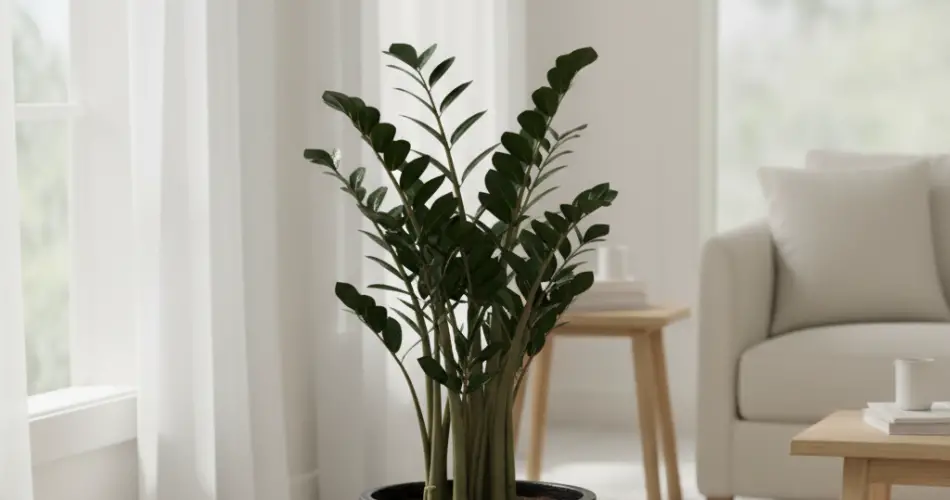
ZZ plants (Zamioculcas zamiifolia) are beloved houseplants, celebrated for their glossy, dark green leaves, low-maintenance care, and remarkable resilience. Native to Eastern Africa, these plants are naturally adapted to dry, shady environments, making them ideal for indoor settings. Yet one question often arises among new and seasoned plant owners: How much sunlight does a ZZ plant really need? Understanding its light requirements is essential for maintaining healthy growth, vibrant foliage, and long-term survival.
Understanding ZZ Plant Light Preferences
ZZ plants are naturally found in regions with sparse sunlight, often growing under the canopy of larger trees or in low-light forest understories. Over time, they’ve evolved to thrive in shaded or partially shaded environments, making them incredibly adaptable to indoor conditions.
While ZZ plants can tolerate low light, they grow best in moderate to bright indirect light. Proper lighting helps maintain their glossy leaf appearance, encourages moderate growth, and prevents legginess. Too little or too much light can affect both aesthetics and health.
The Right Amount of Sunlight
-
Bright, Indirect Light: Placing a ZZ plant near an east-facing window or in a spot with filtered sunlight ensures steady growth and vibrant foliage. Bright indirect light is ideal for showcasing the plant’s natural sheen.
-
Low Light Tolerance: ZZ plants are famous for surviving in low-light areas such as offices, hallways, or rooms with minimal sunlight. In these conditions, growth may slow, and leaves may be slightly smaller, but the plant can survive for years with minimal intervention.
-
Avoid Direct Sunlight: Despite their hardiness, ZZ plants are sensitive to prolonged direct sunlight. Exposure to harsh afternoon sun can scorch leaves, leaving unsightly brown or yellow patches. Gradually introducing ZZ plants to brighter conditions can prevent sunburn.
Signs Your ZZ Plant Is Receiving Too Much or Too Little Light
Monitoring your plant can help you gauge whether it’s getting the right amount of sunlight:
-
Too Little Light: Growth slows, and leaves may appear smaller or duller. The plant may stretch slightly toward light sources, creating a leggy appearance.
-
Too Much Light: Leaves develop yellowing or brown tips, indicating sun damage. Direct sunlight can also dry out the soil too quickly, stressing the plant.
Tips for Providing Optimal Sunlight
-
Select the Right Location: Place your ZZ plant near a window that provides bright, filtered light. South- or west-facing windows may require a sheer curtain to diffuse intense sunlight.
-
Rotate Regularly: Turn the plant every few weeks to ensure all leaves receive light evenly, promoting balanced growth.
-
Supplement with Artificial Light: In low-light spaces or during winter, fluorescent or LED grow lights can provide 10–12 hours of indirect light daily to maintain healthy growth.
-
Gradual Adjustments: If moving a plant from low light to brighter areas, introduce it slowly to prevent leaf stress or sunburn.
Additional Care Considerations
While sunlight is crucial, other factors affect ZZ plant health:
-
Watering: ZZ plants are drought-tolerant. Light affects how quickly soil dries, so plants in brighter areas may need more frequent watering, while those in low light require less. Overwatering in low-light conditions can easily lead to root rot.
-
Temperature: Ideal indoor temperatures range from 65°F to 75°F (18°C–24°C). Avoid placing plants near cold drafts, air conditioning vents, or heat sources.
-
Humidity: ZZ plants are tolerant of typical indoor humidity levels and generally don’t require additional humidity.
Benefits of Proper Light
Providing the right amount of light offers several advantages:
-
Vibrant, Glossy Leaves: Bright, indirect light enhances the ZZ plant’s natural sheen, making it visually striking.
-
Balanced Growth: Adequate light prevents legginess and encourages compact, symmetrical growth.
-
Resilient Health: Properly lit plants are more resilient against pests, stress, and disease.
-
Minimal Maintenance: When sunlight is appropriate, ZZ plants require less intervention to maintain health and aesthetics.
Conclusion
ZZ plants are remarkably adaptable, thriving in a variety of light conditions, from low-light interiors to bright, filtered sunlight. While they can survive in dim corners, optimal growth and vibrant foliage are achieved under moderate to bright indirect light. Direct sunlight should be avoided to prevent leaf scorch, and artificial lighting can supplement natural light when needed. By carefully selecting a location, monitoring leaf health, and gradually adjusting light exposure, you can enjoy a thriving ZZ plant that adds lush greenery, elegance, and resilience to your indoor space for years to come.


