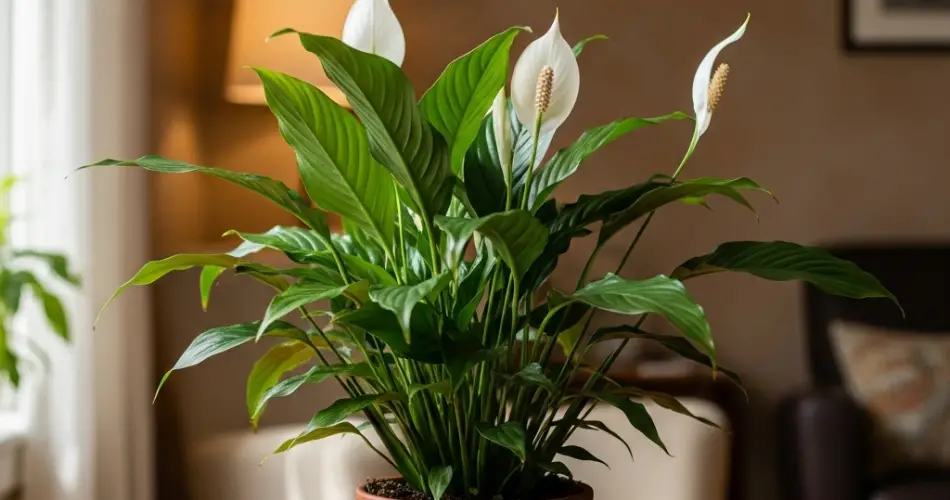
Peace lilies (Spathiphyllum spp.) are among the most popular indoor plants worldwide, admired for their elegant white blooms and lush, dark green foliage. They are often recommended for beginners because of their relatively low maintenance requirements. Yet, one question often arises for both new and experienced plant enthusiasts: How much sunlight does a peace lily really need? Understanding the right light conditions is crucial for maintaining healthy growth, encouraging flowering, and ensuring that your peace lily thrives indoors.
Understanding Peace Lily Light Preferences
Peace lilies are native to tropical rainforests, where they naturally grow under the canopy of larger trees. This means they have adapted to indirect, filtered light rather than direct sun. In their natural habitat, they receive dappled sunlight, which is bright enough to stimulate growth without damaging delicate leaves.
Because of this adaptation, peace lilies generally prefer moderate to low indirect light. While they can survive in dim environments, providing the right amount of indirect light will help them flourish and encourage more frequent blooming.
The Right Amount of Sunlight
-
Bright Indirect Light: Ideally, peace lilies should be placed near a window that receives plenty of light but not direct sun. East-facing windows are excellent because they provide gentle morning sunlight, while north-facing windows offer steady but softer light throughout the day.
-
Avoid Direct Sunlight: Direct sunlight, especially from south or west-facing windows, can scorch the leaves, causing them to turn yellow or develop brown tips. Peace lilies are sensitive to intense light, and prolonged exposure can lead to leaf damage.
-
Low Light Tolerance: Peace lilies can tolerate low-light conditions, such as rooms with limited natural light or areas farther from windows. However, in low light, growth may slow, and flowering can be infrequent or absent.
Signs Your Peace Lily Is Getting Too Little or Too Much Light
Monitoring your plant can help you adjust its location for optimal light:
-
Too Little Light: Leaves may become dark green but sparse, with weak, leggy growth. Flowering may decrease or stop entirely.
-
Too Much Light: Leaves may develop yellow or brown patches, and edges may become dry and crispy. Excessive light can stress the plant and reduce its overall vigor.
Tips for Providing Optimal Sunlight
-
Use Sheer Curtains: If your only sunny window is strong, use sheer curtains to filter the light, mimicking the dappled shade of a tropical forest.
-
Rotate the Plant: To ensure even growth, rotate your peace lily every few weeks so all leaves receive adequate light exposure.
-
Supplement with Artificial Light: In darker rooms or during winter months, supplement natural light with fluorescent or LED grow lights. A few hours of indirect artificial light can compensate for reduced sunlight.
-
Adjust Gradually: When moving your plant from a low-light area to brighter indirect light, do so gradually to avoid leaf shock or sunburn.
Additional Considerations for Indoor Growth
Besides sunlight, other factors influence the health of a peace lily:
-
Watering: Light affects soil moisture. In brighter areas, soil may dry more quickly, requiring more frequent watering, while low-light locations may need less.
-
Temperature: Peace lilies prefer consistent indoor temperatures between 65°F and 80°F (18°C–27°C). Avoid placing them near drafts or heating vents.
-
Humidity: Being tropical plants, they thrive in higher humidity. Low humidity can cause leaf browning, especially at the tips. Placing the plant on a pebble tray or using a humidifier can help.
Encouraging Flowering
Proper light is essential for encouraging a peace lily to bloom. While these plants can survive in low light, flowers—delicate white spathes—are more likely to appear when the plant receives moderate, indirect sunlight for several hours daily. Combining the right light with regular fertilization during the growing season can increase flowering frequency and keep the plant looking vibrant.
Conclusion
Peace lilies are adaptable plants, capable of thriving in a range of indoor light conditions. For optimal growth and flowering, aim for bright, indirect light, avoiding harsh direct sunlight that can damage leaves. While low light is tolerable, it may reduce flowering and slow growth. By understanding your plant’s light needs, monitoring leaf health, and adjusting its environment as necessary, you can enjoy a lush, thriving peace lily that brightens any indoor space.


