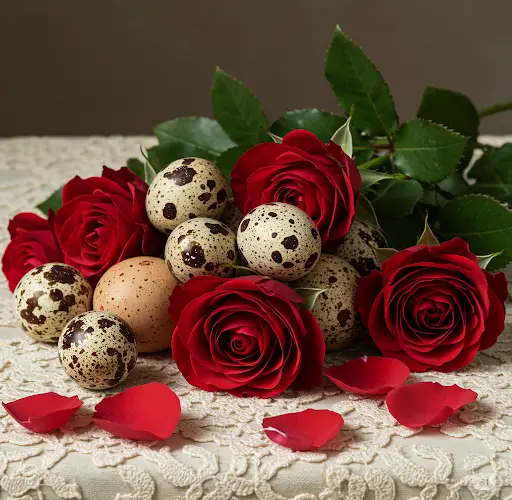
At first glance, the idea that paper flowers could somehow take root and bloom may sound like a quirky craft project or a visual metaphor. But what if we told you that with a touch of creativity and the natural power of eggs, even a paper flower arrangement can give rise to living, blooming plants?
While the flowers themselves aren’t made of paper in the literal sense, this technique often begins with a decorative or symbolic paper flower wrapped around a real seed or stem. The magic happens when you combine this with eggs—specifically egg shells or yolks—as a natural rooting booster and fertilizer. This charming and surprisingly effective gardening trick blends sustainability, creativity, and biology to create something beautiful.
Let’s break down how this process works, how to try it at home, and why eggs are such a powerful ally in your quest for everlasting blooms.
The Power of the Egg in Gardening
Eggs are packed with nutrients not just for human consumption, but also for plants. Both the yolk and the shell offer benefits in gardening. The egg yolk is rich in proteins, fats, and micronutrients that can help kick-start root development when used as a natural fertilizer. Meanwhile, eggshells are high in calcium and other trace minerals, which support strong cell wall formation and healthy growth in young plants.
Crushed eggshells can also help balance soil pH, deter pests like slugs, and improve soil drainage. When used correctly, eggs can enrich the soil and offer an organic foundation for rooting and sustained blooming.
Materials You’ll Need
To try this method at home, gather the following materials:
-
Egg yolks or whole eggs (organic preferred)
-
Eggshells (rinsed and dried)
-
Real plant cuttings (e.g., rose stems, herb sprigs, or rooted bulbs)
-
Paper or tissue to create flower-like wrappers (optional, for decorative presentation)
-
Small pots or containers
-
Soil or a well-draining growing medium
-
A spray bottle or watering can
Step-by-Step: Turning “Paper Flowers” Into Real Blooms
1. Prepare the Egg Fertilizer
Crack an egg and separate the yolk (you can use the egg white in your cooking). Lightly beat the yolk or leave it whole. You can also crush cleaned eggshells into small pieces or grind them into a fine powder using a mortar and pestle or food processor.
2. Decorate or Wrap Your Cutting (Optional)
Take a real plant cutting—such as a sprig of mint, basil, or a rose stem—and wrap the base with a decorative paper flower or a small piece of colored tissue. This step is optional but adds a creative flair, making it look like a “paper flower” before it begins to grow.
3. Prepare the Growing Medium
Fill a small pot with rich, well-draining soil. Mix some of the crushed eggshells into the soil for added calcium. Make a small indentation in the soil where you’ll insert the cutting.
4. Apply the Egg Yolk
Dip the base of your cutting into the beaten egg yolk. This acts similarly to a rooting hormone by providing nutrients that stimulate root development. Carefully insert the cutting into the soil and press gently to secure it in place.
5. Water Lightly and Maintain Humidity
Using a spray bottle or watering can, moisten the soil without over-saturating it. Cover the pot loosely with a plastic bag or dome to create a mini greenhouse effect. This helps retain moisture and warmth while the cutting establishes roots.
6. Place in Indirect Sunlight
Set the pot in a warm, bright location with indirect sunlight. Avoid direct rays that can scorch the delicate cutting or overheat the enclosed humidity. Check the soil moisture daily and mist as needed to maintain consistent dampness.
Watching the Magic Unfold
In just one to two weeks, you may start to see tiny roots forming. Once the roots are strong enough (after about 3–4 weeks), the cutting will begin producing new leaves and possibly flower buds. If you’ve used a colorful paper wrap at the beginning, you can enjoy the charming visual transition from “paper flower” to blooming plant.
The egg’s nutrients continue to nourish the developing roots, encouraging long-lasting blooms. Eggshells slowly decompose in the soil, feeding the plant over time and reducing the need for chemical fertilizers.
Sustainable, Fun, and Beautiful
This method isn’t just effective—it’s sustainable. Instead of throwing away eggshells or excess yolks, you’re putting them to use in your garden. It’s also a fun activity to share with children or as part of a creative project, especially when combining gardening with arts and crafts.
The idea of turning a symbolic paper flower into a real, blooming plant is poetic and deeply satisfying. It reminds us that with a little imagination and nature’s help, beauty can grow from even the most unexpected sources.
Final Thoughts
Using eggs to help “paper flowers” take root and bloom forever is more than just a novelty—it’s a clever gardening technique that merges creativity with sustainability. Whether you’re an experienced gardener or a curious beginner, this simple method offers a meaningful and rewarding way to grow something beautiful.
So the next time you crack an egg, think twice before tossing the shell. With just a bit of care, that humble ingredient could be the key to your next blooming masterpiece.


