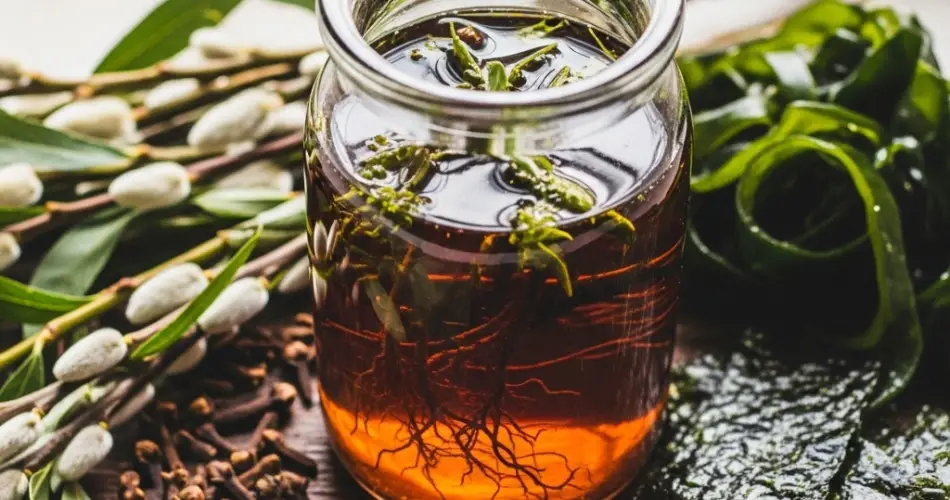

Propagating plants from cuttings is one of the most effective and budget-friendly ways to multiply your garden. Whether you’re trying to root citrus branches, tree cuttings, or woody stems, success often depends on one key factor: stimulating strong root development. Fortunately, you don’t need synthetic rooting hormones to achieve this. With simple, natural ingredients, you can make a powerful homemade rooting solution that encourages even the most reluctant cuttings to grow roots.
This DIY rooting tonic works wonders on a variety of plants, including fruit trees, shrubs, and herbs. It’s especially helpful for woody cuttings and slow-rooting specimens that often resist propagation. Here’s how it works and how to prepare and use it effectively.
Why Use a Homemade Rooting Tonic?
When propagating from cuttings, root development can be slow or inconsistent, particularly in hardwood species or citrus trees. A natural rooting solution gives your plants a healthy push by:
-
Stimulating root cell growth
-
Fighting off pathogens that hinder rooting
-
Strengthening the cutting during the critical early stages
-
Providing essential nutrients and hormones
Using natural ingredients also ensures you’re not introducing chemicals into your soil or plants, which is ideal for organic gardening.
The Power of Lentils: Nature’s Rooting Hormone
The key ingredient in this homemade rooting solution is lentils. Lentils are rich in natural auxins—a group of plant hormones that regulate growth, especially root initiation. When soaked and sprouted, lentils release these hormones along with amino acids and minerals that support strong root formation.
To make the lentil-based rooting water, follow these steps:
Ingredients:
-
100 grams of lentils (any variety)
-
500 ml of water
-
A blender or food processor
-
A strainer or cheesecloth
Instructions:
-
Soak the lentils overnight (8–12 hours) in clean water.
-
Drain and rinse the lentils, then leave them in a bowl or jar to sprout. Rinse them twice daily until you see small white shoots—this usually takes 2 to 3 days.
-
Once sprouted, blend the lentils with 500 ml of fresh water until you get a milky liquid.
-
Strain the mixture to remove solids. You now have a powerful, natural rooting tonic.
-
Use immediately or store in the refrigerator for up to 5 days.
Cinnamon and Honey Boost
To enhance the effectiveness of the rooting water, you can add natural antifungal and antibacterial agents. Cinnamon and honey are both known to protect cuttings from rot while also stimulating root growth.
-
Add 1 teaspoon of ground cinnamon and 1 tablespoon of honey to the lentil water. Mix well.
-
Let it sit for 30 minutes before dipping the cuttings.
Cinnamon prevents mold and fungal infections, while honey provides energy and creates a protective barrier on the cutting.
How to Use the Rooting Tonic
This tonic is ideal for all types of cuttings: citrus branches, woody shrubs, houseplants, succulents, and even small tree offshoots.
For Water Propagation:
-
Fill a glass jar or container with the rooting solution.
-
Place the bottom ends of your cuttings into the liquid, ensuring at least one node is submerged.
-
Leave the container in a bright but indirect light location.
-
Change the solution every 2–3 days to prevent bacterial buildup.
Roots should start appearing within 7–14 days, depending on the plant species.
For Soil Propagation:
-
Dip the base of the cutting into the rooting tonic for a few minutes.
-
Plant directly into moist, well-draining soil.
-
Keep the soil slightly damp and cover the cutting with a plastic bag to create a humid environment.
-
Ventilate the bag daily to prevent mold.
Best Plants for This Method
This natural rooting tonic works especially well with:
-
Lemon, orange, and other citrus branches
-
Fig, pomegranate, and guava cuttings
-
Woody herbs like rosemary, sage, and thyme
-
Ornamental shrubs like hibiscus, bougainvillea, and hydrangea
-
Succulents and houseplants like pothos and coleus
Final Tips for Successful Rooting
-
Always use sharp, clean scissors to take your cuttings.
-
Choose healthy parent plants to ensure strong clones.
-
Trim leaves on the lower part of the stem to avoid rot.
-
Be patient—some plants take longer than others to root.
Rooting plants doesn’t have to rely on synthetic hormones or expensive solutions. With simple ingredients like lentils, cinnamon, and honey, you can create a powerful, natural rooting booster that works for even the most stubborn cuttings. It’s a sustainable and effective way to grow your garden, one cutting at a time.


