If you want your plants to reward you with lush growth and an explosion of flowers, you don’t need to rely on store-bought fertilizers packed with chemicals. There’s an easy, affordable, and natural way to nourish your plants using ingredients you likely already have at home. This homemade fertilizer provides essential nutrients that stimulate healthy development and promote abundant flowering. Ideal for both indoor and outdoor plants, this method helps rejuvenate tired soil and energize your greenery in a completely eco-friendly way.
Why Use Homemade Fertilizer?
Chemical fertilizers can give quick results, but they often deplete the soil over time, leading to weaker plants in the long run. Homemade, organic fertilizers, on the other hand, enrich the soil with nutrients while improving its structure and promoting microbial life. They’re safer for children, pets, and pollinators and better for the environment. Plus, making your own plant food helps reduce kitchen waste and saves money.
What You’ll Need
For this highly effective homemade fertilizer, you only need a few simple ingredients:
-
A banana peel
-
A small piece of pumpkin or squash (with pulp and seeds if possible)
-
Two eggshells
-
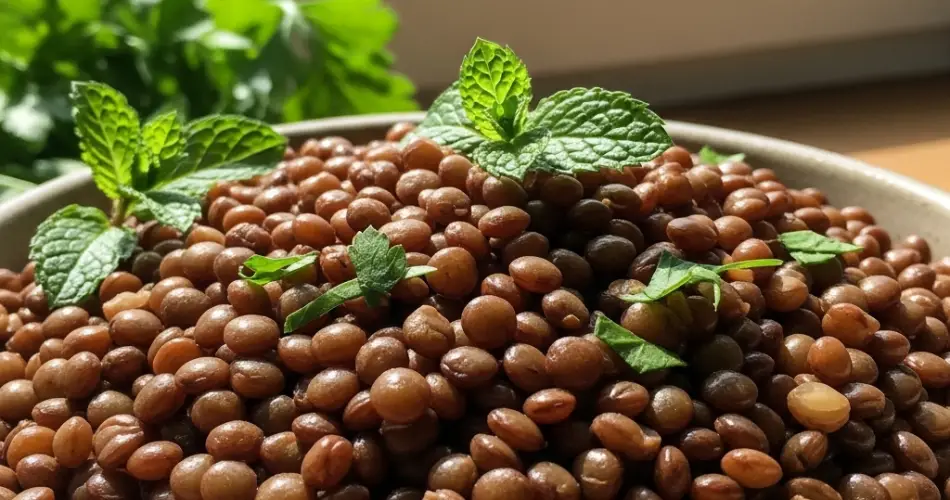
A tablespoon of lentils or other legumes
-
500 ml of water
Each of these ingredients brings specific benefits to your plants:
-
Banana peels are rich in potassium and phosphorus—key nutrients for flowering.
-
Pumpkin or squash contains natural sugars, magnesium, and other trace elements that stimulate blooming and root development.
-
Eggshells provide calcium, which strengthens plant cell walls and supports healthy growth.
-
Lentils and legumes are natural nitrogen boosters, essential for leafy growth and overall plant vitality.
How to Prepare the Fertilizer
-
Chop the ingredients: Cut the banana peel and pumpkin into small pieces to help them break down more easily.
-
Blend the mixture: Place the banana peel, pumpkin, eggshells, lentils, and 500 ml of water into a blender. Blend until you get a smooth liquid.
-
Strain (optional): If you prefer a cleaner application, you can strain the mixture through a fine mesh sieve or cheesecloth. However, applying the unstrained mix directly into the soil works perfectly fine.
-
Transfer and store: Pour the liquid into a bottle or container with a lid. This mixture is best used fresh but can be stored in the refrigerator for up to 3 days.
How to Apply It
Use this homemade fertilizer once every two weeks for most flowering plants, or weekly for those in active bloom. Simply pour a small amount around the base of each plant, avoiding the leaves and stems. Be sure to water your plants afterward so the nutrients penetrate the soil more effectively.
This natural blend is gentle enough not to burn roots or overwhelm delicate plants. Over time, you’ll notice your plants responding with stronger growth, deeper green foliage, and more abundant, vibrant flowers.
Additional Tips for Better Results
-
Compost any leftover pulp: If you strain your fertilizer, don’t throw away the solids. Mix them into your garden soil or compost pile to continue enriching your garden.
-
Use rainwater or dechlorinated water when possible for both blending and watering, as it’s softer and healthier for plants.
-
Feed your plants early in the morning or in the late afternoon to avoid evaporation and allow for better nutrient absorption.
-
Clean your blender thoroughly after preparing the fertilizer to avoid any lingering smells or bacterial growth.
Which Plants Benefit Most?
This fertilizer is especially effective for:
-
Flowering houseplants like African violets, anthuriums, and peace lilies
-
Outdoor blooming plants such as roses, hibiscus, geraniums, and petunias
-
Fruiting plants including tomatoes, peppers, and strawberries
It also helps revive tired potted plants that seem to have stalled in growth, giving them a natural boost to restart their blooming cycle.
Conclusion
With just a few common kitchen scraps, you can create a powerful natural fertilizer that supports plant health and encourages magnificent blooms. This homemade solution is not only sustainable and budget-friendly but also a great way to reduce household waste and connect more closely with your garden. Try it once, and you’ll likely make it part of your regular plant care routine.


