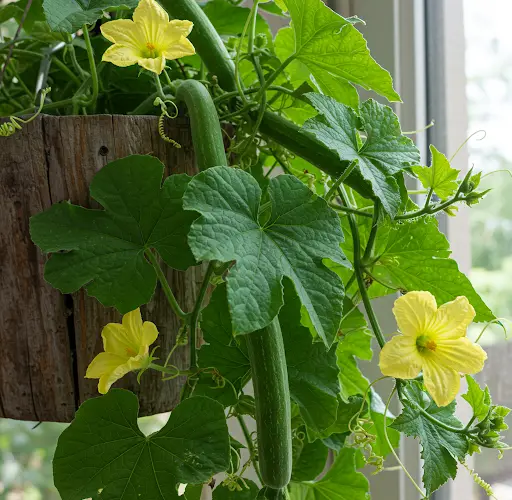
Luffa, also known as loofah, is a versatile plant that is often grown for its fibrous fruit, which is commonly used as a natural sponge. While it’s a favorite in gardens around the world for its unique growing characteristics, it also has great market potential. If you’re interested in growing luffa and selling it at the market, this guide will show you how to maximize your harvest and turn your gardening skills into a profitable venture.
Luffa plants thrive in warm climates and can be grown successfully with the right care and attention. With a little know-how, you can cultivate a large yield that’s perfect for selling fresh or dried at local markets. Let’s explore how to grow luffa, manage the crop for optimal production, and take steps to prepare the luffa for market sales.
Why Grow Luffa for the Market?
Luffa is an in-demand product, especially in eco-friendly markets, due to its natural, biodegradable qualities. It is commonly used as a bath sponge, cleaning tool, and even in cooking, making it a sought-after item for those looking for sustainable alternatives to synthetic sponges.
By growing luffa, you have the opportunity to tap into this eco-conscious market, providing a natural and renewable product to local consumers. In addition to the fruit, the seeds of the luffa plant can also be sold for propagation, further increasing the profitability of your crop.
How to Grow Luffa for High Yield
Luffa plants are best grown in warm, sunny locations with well-drained soil. To grow a productive luffa crop, follow these key steps:
1. Choose the Right Variety
There are several varieties of luffa, but the most commonly grown for market are Luffa aegyptiaca and Luffa acutangula. The first variety is typically grown for its large, spongy fruit, while the second is known for its smaller, more tender fruits that can be eaten. For a marketable product, focus on the fibrous variety (Luffa aegyptiaca), which produces large fruits that can be harvested and dried to create durable sponges.
2. Prepare the Planting Site
Luffa plants need full sun to thrive, so choose a sunny spot in your garden or farm. They also require a long growing season, typically between 120 to 150 days, depending on the variety. Raised beds or trellises are ideal, as they allow the vines to climb, keeping the fruit off the ground and preventing rot.
Prepare the soil by enriching it with organic matter, such as compost or well-rotted manure, to ensure good fertility. Luffa prefers slightly acidic to neutral soil with a pH between 6.0 and 7.0.
3. Planting the Seeds
Luffa seeds should be started indoors about 6 to 8 weeks before the last expected frost or directly sown outdoors once the weather has warmed up. If planting indoors, transplant the seedlings when they are strong enough and the outdoor temperatures have consistently reached 70°F (21°C) or higher.
Sow the seeds 1 inch deep, spacing them about 12–18 inches apart. If planting on a trellis, allow ample space for the vines to spread, as they can grow up to 30 feet long in ideal conditions. Mulch around the base of the plants to retain moisture and keep weeds at bay.
Care and Maintenance for Optimal Yield
1. Watering
Luffa plants need regular watering, especially during dry periods. However, they do not tolerate soggy soil, so ensure the planting area is well-drained. Water deeply and consistently, but allow the soil to dry out slightly between waterings to avoid root rot.
2. Fertilization
To encourage healthy growth and fruit production, fertilize the luffa plants with a balanced, slow-release fertilizer. Apply the fertilizer in early spring when the plants are actively growing, and reapply every 4–6 weeks. Luffa plants benefit from additional compost or organic matter during the growing season to maintain soil fertility.
3. Pruning and Support
Luffa plants are vigorous climbers, so provide sturdy trellises or supports for the vines to grow upward. Pruning can help keep the plant manageable and ensure that energy is directed toward fruit production. Remove any dead or damaged leaves and encourage the plant to grow vertically, which will allow the fruits to develop without touching the soil.
Harvesting and Preparing Luffa for the Market
1. When to Harvest Luffa
Luffa fruits should be harvested when they are fully mature, typically around 6–9 months after planting. You’ll know they’re ready when the fruit turns yellow and the skin becomes hard. The fibrous interior of the fruit will also be more visible as the outer skin thickens.
Once harvested, the luffa should be allowed to dry out completely, either on the vine (if weather permits) or in a dry, well-ventilated area. If you plan to sell the dried luffa sponges, be sure to remove the seeds before packaging the final product.
2. Curing the Luffa
To create the spongy texture that luffa is known for, the fruit must be cured. After harvesting, soak the luffa in water for a few days to loosen the skin. Then, peel off the outer layer carefully to reveal the fibrous interior. Scrape away any remaining pulp, rinse the sponge, and let it dry thoroughly in a warm, dry area.
Once dried, the luffa sponges can be cut to size and bundled for sale at the market. If selling fresh luffa, you can package it as-is, but keep in mind that it may need to be used shortly after harvesting.
Marketing Your Luffa
When selling luffa at the market, focus on its eco-friendly and sustainable nature. Many consumers are looking for natural, biodegradable alternatives to synthetic sponges, making luffa a popular choice. Highlight the versatility of luffa, from its use as a bath sponge to its utility in cleaning and crafting.
You can sell luffa as a fresh fruit or in its dried form. Dried luffa sponges can be marketed as eco-friendly cleaning tools or natural body sponges. If you have the resources, consider selling both fresh and dried luffa to appeal to a wider audience.
Conclusion
Growing luffa for market sales is an excellent way to turn your gardening hobby into a profitable business. With the right growing conditions, proper care, and a little patience, you can harvest a high-yield crop that appeals to eco-conscious consumers. Whether you sell dried luffa sponges, fresh luffa for culinary use, or seeds for propagation, this versatile plant has great potential in local markets.
By following the right steps from planting to harvesting, you can maximize your yield and provide a valuable product that is both natural and sustainable. So, roll up your sleeves, start growing luffa today, and prepare to reap the rewards of your hard work!


