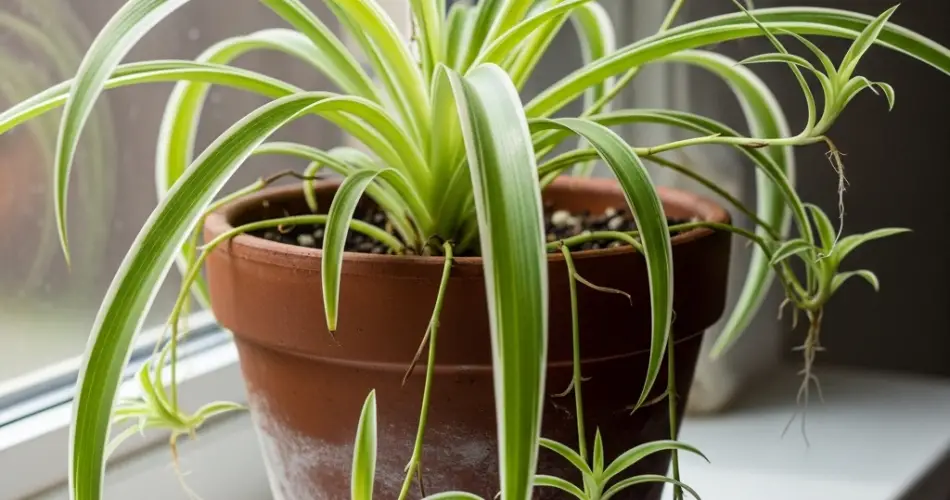
Spider plants (Chlorophytum comosum) are among the most popular houseplants, adored for their arching green-and-white striped leaves and their charming, dangling baby offshoots, or “spiderettes.” When grown in hanging baskets, spider plants create a cascading effect that adds beauty and life to any room. Though they are famously easy to grow, ensuring lush and healthy growth requires some attention to the basics—particularly soil, pots, and light.
This guide explores the essential care steps to help you maintain a thriving hanging spider plant that stays vibrant and continues producing its signature trailing babies.
Choosing the Right Soil
Soil forms the foundation of a spider plant’s health, especially when grown in a container.
-
Well-draining soil is essential: Spider plants dislike sitting in soggy conditions. Too much moisture around the roots can lead to rot and weakened growth. A standard houseplant potting mix works well, but you can improve drainage by adding perlite, coarse sand, or coconut coir.
-
Balanced nutrients: The soil should be nutrient-rich but not too dense. A lightweight mix allows roots to breathe while providing enough organic matter to support steady growth.
-
pH preference: Spider plants tolerate a wide range of soil pH but thrive best in slightly acidic to neutral soil, between 6.0 and 7.0.
Refreshing the soil every 1–2 years also helps prevent compaction and ensures the plant has access to fresh nutrients.
Selecting the Right Pot
The choice of pot directly influences the plant’s growth, moisture levels, and stability, especially for hanging displays.
-
Drainage holes are a must: Always select a pot with sufficient drainage holes to prevent waterlogging. Spider plants are sensitive to excess moisture, so allowing water to flow freely is critical.
-
Size matters: Avoid using an oversized pot, as it retains too much water and delays drying. Instead, choose a pot that comfortably holds the plant’s root ball with some room for expansion. Spider plants prefer being slightly root-bound and often grow best in snug conditions.
-
Material selection: Terracotta pots are excellent for absorbing extra moisture, but they are heavier and not always practical for hanging baskets. Plastic or resin pots are lightweight and ideal for hanging arrangements. Ensure they are sturdy enough to support both the plant and its cascading foliage.
-
Hanging setup: Use strong hooks and durable hangers to secure the pot. As spider plants mature and produce spiderettes, the extra weight can increase significantly.
Light Requirements
Proper lighting is key to maintaining vibrant foliage and encouraging healthy spiderette production.
-
Bright, indirect light: Spider plants thrive in locations where they receive plenty of bright but filtered light. Too much direct sunlight can scorch the leaves, leaving unsightly brown tips or patches.
-
Low-light tolerance: While they adapt well to low-light spaces, growth will slow, and the plant may produce fewer spiderettes.
-
Indoor placement: East- or west-facing windows are ideal, providing the right balance of light intensity. If using a south-facing window, hang the plant a few feet away or use a sheer curtain to diffuse the sunlight.
-
Supplemental lighting: In darker rooms or during winter months, you can use fluorescent or LED grow lights to support steady growth. Position the plant about 12–18 inches below the light source.
Watering and Humidity Support
Although the focus is on soil, pots, and light, watering habits and humidity also play vital roles.
-
Watering rhythm: Allow the soil to dry out slightly between waterings. Overwatering leads to root rot, while underwatering can cause limp, dry leaves. Aim for consistent moisture without saturation.
-
Seasonal adjustments: Water more frequently during spring and summer, when growth is active, and reduce watering in winter when growth slows.
-
Humidity levels: Spider plants enjoy moderate humidity. If your home is very dry, occasional misting or placing the pot near a humidity tray can help.
Feeding for Healthy Growth
Nutrients complement the soil and light to keep your spider plant compact and vibrant.
-
Balanced fertilizer: Use a general-purpose liquid houseplant fertilizer every 4–6 weeks during the growing season.
-
Avoid overfeeding: Excess fertilizer can cause leaf burn and disrupt growth. Less is often more with spider plants.
Preventing Common Issues
Even though spider plants are resilient, certain problems may arise if their basic needs aren’t met.
-
Brown leaf tips: This often comes from overwatering, fluoride in tap water, or low humidity. Use distilled or rainwater if this becomes a frequent issue.
-
Yellowing leaves: Typically linked to poor drainage or nutrient deficiencies. Check soil moisture and refresh the soil if necessary.
-
Sparse growth: Usually caused by insufficient light. Relocate the plant to a brighter spot or supplement with artificial lighting.
Final Thoughts
Hanging spider plants are more than just decorative—they’re easygoing companions that adapt well to most homes. By focusing on three essentials—well-draining soil, the right pot, and appropriate lighting—you set the foundation for a thriving, cascading display. Add in proper watering, moderate feeding, and occasional repotting, and your spider plant will reward you with lush green foliage and plenty of spiderettes for years to come.
Whether you’re a beginner gardener or an experienced plant enthusiast, spider plants are forgiving yet stunning additions to your indoor collection. With just a little attention to these basics, you can enjoy the lively, trailing beauty of this classic houseplant for generations.


