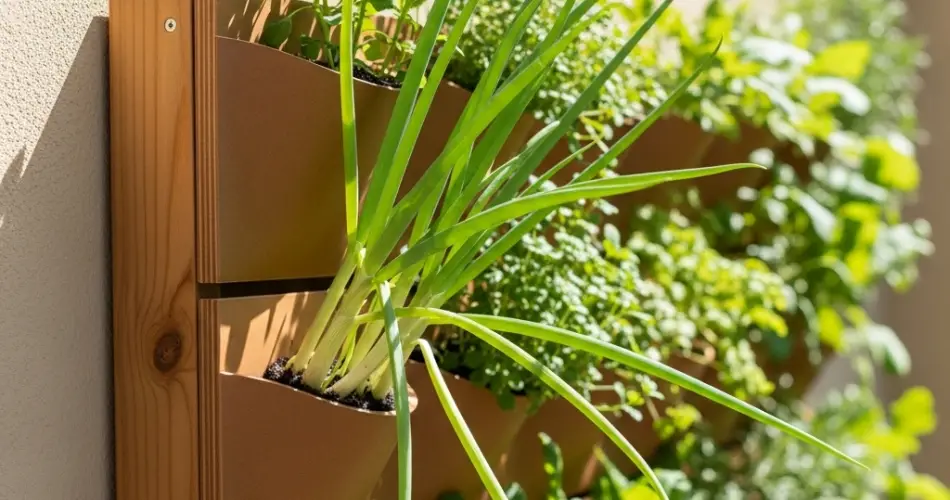
Scallions, also known as green onions or spring onions, are one of the easiest vegetables to grow at home. They require minimal space, grow quickly, and can be harvested multiple times from a single planting. If you’re looking to grow a steady supply of scallions without needing garden beds or pots, hanging bottle planters offer a clever and space-saving solution. This DIY method makes use of recycled plastic bottles to grow scallions vertically—ideal for balconies, fences, patios, or any sunny wall.
Why Grow Scallions in Hanging Bottles?
Scallions are perfect for vertical gardening because of their compact root systems and upright growth habit. They don’t need deep soil, and they thrive in containers, making them an ideal crop for plastic bottles. Hanging them vertically not only saves floor space but also gives your wall or fence a touch of green while providing fresh greens right at your fingertips.
What You’ll Need
To set up your hanging scallion planters, you’ll need just a few basic materials:
-
1.5 to 2-liter plastic bottles (clean and label-free)
-
A cutter or utility knife
-
Small screwdriver or metal rod for making holes
-
String, wire, or sturdy twine
-
Potting soil or garden soil mixed with compost
-
Scallion cuttings or seeds
-
Access to a spot with at least 4 hours of sunlight per day
Preparing the Bottles
-
Clean and Dry: Wash each plastic bottle thoroughly and let them dry completely.
-
Cut an Opening: Using a sharp cutter, slice a rectangular opening along the side of the bottle. This opening will serve as the planting area where the scallions will grow. Leave a few centimeters at the top and bottom to hold soil in place.
-
Add Drainage Holes: Use a screwdriver or hot metal rod to poke a few small holes at the bottom of the bottle for water drainage. Proper drainage prevents waterlogging and root rot.
-
Hanging Holes: Near the neck and base of the bottle, punch two small holes on opposite sides. Thread string or wire through these holes to hang the bottle horizontally.
Planting the Scallions
You can start scallions from either seeds or cuttings:
-
From Cuttings: This is the easiest and fastest method. Save the white root ends from store-bought scallions (about 2–3 inches long). Let them sit in water for a few days until they grow new green shoots. Then plant them directly into the bottles.
-
From Seeds: Fill the bottle with moist potting soil and sprinkle the seeds evenly. Cover lightly with more soil and keep it moist until germination.
Once your planting material is ready, fill each bottle with soil up to the opening. If using cuttings, poke holes in the soil and insert the scallion bases so the green tips are above the soil surface.
Hanging the Planters
Choose a sunny wall, fence, or balcony railing for your hanging bottle planters. Use the string or wire to hang the bottles horizontally. You can stagger them at different heights or line them up evenly, depending on your space and aesthetic preferences.
Make sure the planters are secure and won’t tip or fall during watering. If you’re worried about excess water dripping, hang them over garden beds or place a shallow tray beneath each one to catch runoff.
Caring for Your Scallions
Scallions require little maintenance once established:
-
Watering: Keep the soil consistently moist but not soggy. Because the containers are small, they’ll dry out quickly in warm weather.
-
Fertilizing: Every two to three weeks, feed your scallions with diluted compost tea or a mild organic liquid fertilizer to promote lush green growth.
-
Sunlight: At least 4–6 hours of sunlight daily is ideal. Scallions can tolerate partial shade, but growth may be slower.
-
Pest Prevention: Check for pests such as aphids. If needed, spray with a gentle neem oil solution or use natural insecticidal soap.
Endless Harvests
One of the great benefits of scallions is their ability to regrow after cutting. Once the greens reach about 6–8 inches tall, use scissors to snip what you need, leaving about an inch above the soil. The plants will regenerate, allowing multiple harvests from the same root base.
If grown from seed, you can thin out overcrowded plants and use them early as tender shoots, then let the remaining ones mature. With proper care, you can enjoy fresh scallions for months before needing to replant.
Final Thoughts
Hanging bottle planters offer an ingenious, low-cost way to grow scallions at home. This method recycles plastic waste, saves valuable floor space, and brings fresh produce closer to your kitchen. Whether you’re gardening on a balcony, fence, or sunny window wall, scallions are a perfect candidate for vertical growth. With just a few tools and some basic care, you can create a sustainable and productive green onion garden that keeps on giving.


