For anyone who loves flowers, taking care of them is both an act of affection and a responsibility. Whether you have blooming plants on your balcony, a bouquet on your dining table, or a garden full of colorful blossoms, maintaining their freshness and vibrancy requires attention and consistency. Each flower has its own specific needs — from how much sunlight it gets to how often it’s watered — but there are also universal tricks that can help preserve their beauty for much longer.
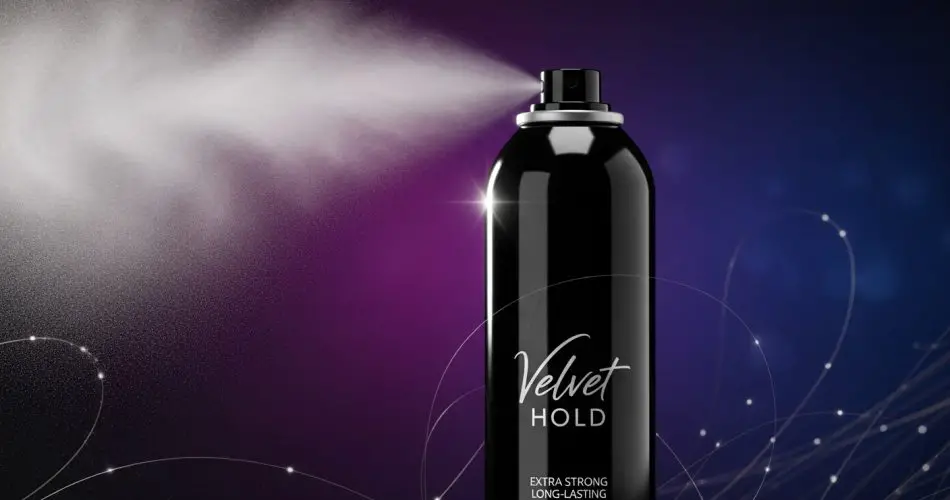
Among these little-known tricks, one stands out for its simplicity and effectiveness: spraying hairspray on your flowers. Yes, the same product you use to set your hairstyle can also keep your cut flowers looking fresh and beautiful for days longer.
Why Hairspray Works on Flowers
When flowers are cut, they begin to lose moisture and vitality almost immediately. Their petals dry out, fade, and eventually fall. Florists and professional decorators have long used various techniques to slow down this natural process — and one of their best-kept secrets is hairspray.
Hairspray works by creating a fine, protective coating over the petals and leaves. This invisible barrier helps reduce water loss and shields the delicate surfaces from dust and bacteria. It’s similar to how it works on hair: locking things in place and maintaining structure and shine.
To use hairspray correctly, follow these simple steps:
-
Choose a mild hairspray. Go for one without a strong scent or too many chemicals, as harsh formulas might damage delicate petals.
-
Hold the spray about 30 centimeters (12 inches) away from the flowers.
-
Spray lightly. You only need a fine mist — avoid soaking the flowers, as too much product can make the petals sticky.
-
Let the bouquet dry in a well-ventilated area. Avoid placing it under direct sunlight right after spraying.
You’ll notice that your flowers maintain their shape and color longer than usual. It’s a small effort that saves you from having to buy expensive floral preservatives or replacement bouquets too soon.
Aspirin: A Surprising Remedy for Wilting Flowers
Another simple household item that can help revive your flowers is aspirin. This common pain reliever contains salicylic acid, a compound that lowers the pH of water and prevents the growth of bacteria in flower vases. Bacteria are often the reason flowers wilt prematurely, as they block the stems’ ability to absorb water.
Here’s how to use it:
-
Crush one aspirin tablet and dissolve it in the water of your vase.
-
Place your flowers in the vase and let them absorb the mixture.
Within hours, you’ll notice that the stems stay firm and the petals remain fresh longer. This trick works particularly well with roses, lilies, and tulips — all of which tend to droop quickly after being cut.
Bleach: The Bacteria Killer
It may sound counterintuitive, but a tiny drop of bleach can also help keep your flowers fresher for longer. Bleach acts as a disinfectant, eliminating the bacteria that thrive in the water and attack the stems.
You don’t need much — just a quarter of a teaspoon per liter of water is enough. This tiny amount won’t harm your flowers but will prevent slimy buildup in the vase, keeping the water clear and fresh.
When using bleach, always measure carefully. Too much can damage the flowers, but the right amount will make a noticeable difference in their longevity.
Sugar and Vodka: The Dynamic Duo for Flower Preservation
You might already know that sugar is a natural source of energy, but did you know it can also nourish your flowers? When mixed into vase water, sugar acts as a nutrient substitute, feeding the blooms and helping them maintain their vitality. However, sugar alone can also encourage bacterial growth — which is why pairing it with vodka is the perfect balance.
Vodka, thanks to its alcohol content, works as a disinfectant. It inhibits bacteria and fungus, keeping the water cleaner for longer. Together, sugar and vodka create the ideal environment for cut flowers.
Here’s how to use them:
-
Mix one teaspoon of sugar and a few drops of vodka into your vase water.
-
Stir the mixture well before placing your flowers in it.
-
Change the water every two days to prevent bacterial buildup.
This simple combination helps flowers stay hydrated, nourished, and free from harmful microbes.
A Few More Tips for Healthy, Long-Lasting Flowers
Keeping flowers fresh doesn’t always require expensive products — most of the best solutions are already in your home. Still, it’s important to remember a few essential habits to get the best results:
-
Trim the stems regularly. Cut about one to two centimeters off the base of each stem every couple of days at a 45-degree angle. This allows better water absorption.
-
Use clean water. Always replace old water with fresh, cool water every two days.
-
Keep flowers away from direct sunlight and heat sources. While flowers love sunlight when growing, cut flowers last longer in cooler, shaded spaces.
-
Avoid placing flowers near fruit. Ripening fruit releases ethylene gas, which accelerates the wilting of flowers.
By following these small yet effective tricks, you can extend the life of your floral arrangements and save money on replacements.
Natural vs. Commercial Flower Preservatives
While there are many commercial products designed to preserve cut flowers, they often contain chemical additives that can be harmful to the environment — and even to the flowers themselves if not used correctly. Before using any store-bought preservative, always read the label carefully and check whether it’s suitable for the specific flower species you’re caring for.
Natural remedies, on the other hand, are safer, cheaper, and equally effective when applied correctly. With ingredients like hairspray, aspirin, bleach, sugar, and vodka, you can create your own DIY flower care kit — all using everyday household items.
Final Thoughts: Simple Tricks, Beautiful Results
Flowers bring life, color, and joy to any space, but their beauty can fade all too quickly without proper care. The good news is that you don’t need to spend a fortune on specialized products to keep them looking their best.
By simply spraying a little hairspray to preserve their petals, adding aspirin or bleach to the water to eliminate bacteria, and using sugar and vodka as natural nutrients, you can make your blooms last significantly longer.
These easy, budget-friendly methods are proof that sometimes, the best solutions come from the simplest household items. So next time you bring home a bouquet or cut fresh flowers from your garden, give these tips a try — and enjoy vibrant, long-lasting blooms that look freshly picked for days.