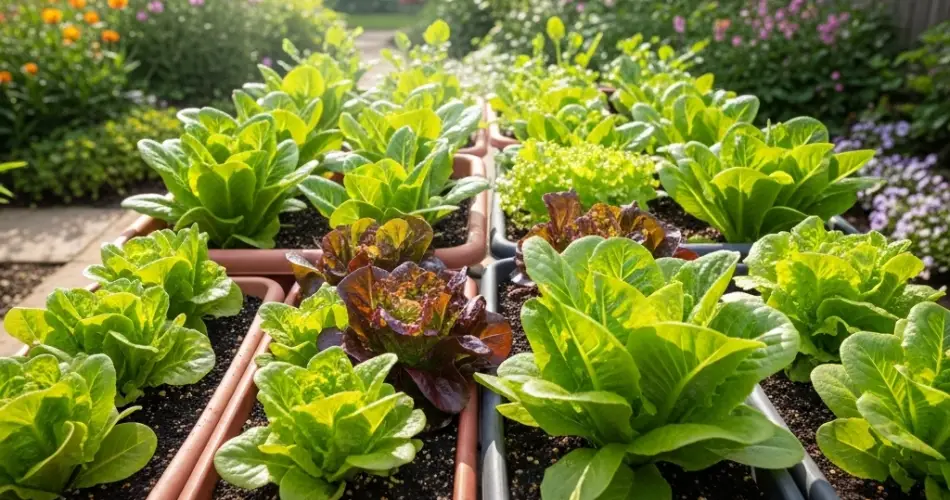
If you’re looking for an easy, low-maintenance way to grow your own food, lettuce might just be the perfect plant for you. Quick to grow, tolerant of small spaces, and incredibly rewarding, lettuce thrives in containers and requires minimal effort. For gardeners short on time, space, or energy, this leafy green offers a fresh harvest without the fuss.
From sunny balconies to windowsills and patios, growing lettuce in containers is accessible to beginners and seasoned gardeners alike. With a few tips and some simple setup, you can enjoy a steady supply of crisp, homegrown greens without breaking a sweat.
Why Lettuce Is Perfect for Container Gardening
Lettuce doesn’t need deep soil, elaborate trellising, or constant attention. As a shallow-rooted crop, it adapts well to containers and grows quickly—often ready to harvest in just 30 days. You can grow loose-leaf varieties that allow multiple harvests or head lettuces that produce one big bunch.
Here’s why lettuce is ideal for lazy gardeners:
-
Minimal maintenance required
-
Grows fast—harvest in under a month
-
Needs little space or special equipment
-
Tolerates cooler temperatures
-
Can grow indoors or outdoors year-round in many climates
-
Perfect for cut-and-come-again harvesting
Best Lettuce Varieties for Containers
When choosing lettuce for your container garden, opt for compact or loose-leaf varieties that are suited to small spaces. Some of the most reliable options include:
-
Buttercrunch – Soft, sweet leaves with good heat resistance
-
Red Salad Bowl – Colorful and attractive with a mild flavor
-
Little Gem – Mini romaine heads, crisp and crunchy
-
Black Seeded Simpson – Fast-growing and perfect for baby greens
-
Oak Leaf – Tender, loose leaves that regrow after cutting
What You’ll Need
To get started with container lettuce, gather the following:
-
A wide, shallow container (6–8 inches deep) with drainage holes
-
Potting mix rich in organic matter
-
Lettuce seeds or starter plants
-
A spray bottle or watering can
-
A sunny spot with partial to full sun exposure (4–6 hours per day)
Step-by-Step: Planting Lettuce in Containers
1. Choose the Right Container
Lettuce doesn’t need deep pots, but it does enjoy space to spread. A wide container or planter box is ideal. Make sure it has drainage holes to prevent root rot.
2. Fill with Potting Mix
Use a light, well-draining potting mix enriched with compost. Avoid using garden soil, which can be too heavy for containers and may harbor pests or diseases.
3. Sow the Seeds
Sprinkle lettuce seeds evenly over the surface, leaving some space between each. Lightly press them into the soil and cover with a thin layer—about ¼ inch. Mist with water to settle them in.
4. Keep Moist
Lettuce seeds need consistent moisture to germinate. Mist or water lightly each day until sprouts appear—usually within 5–10 days. After that, water as needed to keep the soil moist but not soggy.
5. Provide Light
Place your container in a spot that gets at least 4–6 hours of light daily. If you’re growing indoors, a bright windowsill or grow light will do the trick.
Low-Effort Lettuce Care Tips
Once your lettuce is growing, maintenance is surprisingly easy.
-
Watering: Lettuce prefers moist soil. Check the top inch daily—if it feels dry, give it a drink.
-
Thinning: Once seedlings are about 2 inches tall, thin them to give each plant room to grow. Snip extra sprouts and add them to a salad.
-
Fertilizing: If using fresh potting mix with compost, you may not need extra fertilizer. Otherwise, apply a mild liquid fertilizer every 2–3 weeks.
-
Shade in Heat: In warmer climates, provide afternoon shade to prevent bolting (going to seed early).
Harvesting Lettuce the Lazy Way
Lettuce is one of the most forgiving crops when it comes to harvesting. You don’t need to pull the entire plant. Instead, use the cut-and-come-again method:
-
Use scissors to snip the outer leaves when they reach 4–6 inches tall.
-
Leave the center leaves to continue growing.
-
Return in a week or two for your next harvest.
With proper care, a single planting can give you fresh lettuce for several weeks.
Troubleshooting (Without Too Much Effort)
Even with minimal care, lettuce is usually trouble-free. But if issues arise:
-
Wilting? Check for dry soil or poor drainage.
-
Pale leaves? Add a dose of diluted liquid fertilizer.
-
Pests like aphids? Spray with a mixture of water and mild soap.
-
Bolting (tall stems and bitter leaves)? Harvest early and replant a fresh crop.
Final Thoughts
Growing lettuce in containers truly is a lazy gardener’s dream. With minimal supplies, low effort, and fast results, it’s one of the easiest ways to bring fresh, healthy greens into your kitchen. Whether you’re a total beginner or just looking for a no-fuss gardening win, container-grown lettuce is a satisfying and sustainable solution.
So grab a pot, scatter a few seeds, and let the plants do the rest. Before you know it, you’ll be snipping your way to fresh salads without leaving your doorstep.


