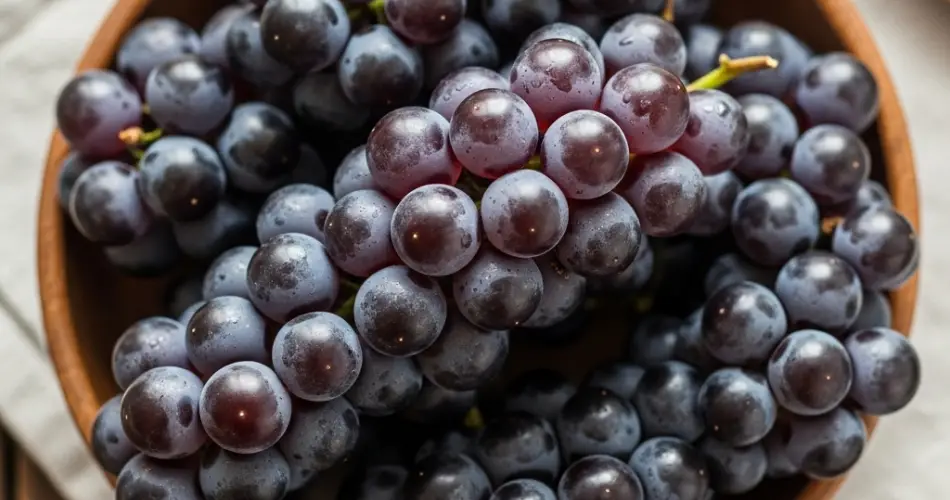
Grapes are one of the most rewarding fruits to grow at home. Not only do they provide a delicious harvest, but they also add elegance and shade to your garden when trained on a trellis. A trellis system supports the vines, keeps fruit off the ground, and promotes better air circulation and sun exposure—essential for healthy growth and sweet grapes.
Whether you’re planting grapes in a backyard, along a fence, or on a patio, this guide will walk you through the process of growing grapes on a trellis, from planting to harvesting.
1. Choose the Right Grape Variety
The first step in successful grape growing is selecting a variety suited to your climate and intended use.
-
Table grapes (like ‘Thompson Seedless’ or ‘Concord’) are great for fresh eating.
-
Wine grapes (like ‘Cabernet Sauvignon’ or ‘Pinot Noir’) are more specific to winemaking.
-
Cold-hardy grapes (like ‘Frontenac’ or ‘Valiant’) are ideal for cooler regions.
Choose disease-resistant, vigorous varieties if you’re a beginner. Many modern cultivars are bred for home gardens and do well on trellises.
2. Pick the Perfect Spot
Grapes love sun. For the best results:
-
Select a location that receives 6–8 hours of direct sunlight daily.
-
Ensure well-draining soil to prevent root rot.
-
Choose a spot sheltered from strong winds.
-
Avoid low-lying areas where frost may settle in spring.
Grapevines grow vigorously, so allow space for airflow and vine spread.
3. Build a Strong Trellis
A sturdy trellis is essential for supporting the weight of grapevines and fruit clusters. Here are common trellis styles:
-
Two-wire horizontal trellis: Great for backyard gardens. Consists of two parallel wires stretched between posts.
-
Vertical trellis: Uses a central post and support wires for vines to climb upward.
-
Pergola or arbor: Doubles as a garden feature and shade structure.
Basic trellis materials:
-
Pressure-treated wooden or metal posts (set 6–8 feet apart)
-
Galvanized wire or trellis wire for support
-
Wire tensioners or turnbuckles to maintain wire tightness
Build your trellis before planting to give young vines a structure to climb from the start.
4. Planting the Grapevines
Plant grapevines in early spring, after the last frost.
Steps:
-
Dig a hole twice as wide and just as deep as the root ball.
-
Mix compost into the soil for added nutrients.
-
Position the vine so the crown (where roots meet stem) is just above soil level.
-
Backfill with soil and firm it gently.
-
Water thoroughly to eliminate air pockets.
Space grape plants 6–8 feet apart to allow adequate room for each vine.
5. Train the Vines
Training the vines correctly ensures strong structure and high fruit production.
Year 1:
-
Choose the strongest shoot and tie it to a vertical stake or support.
-
Remove other shoots to direct energy into developing a central trunk.
-
Let it grow until it reaches the first trellis wire (about 4–5 feet high), then pinch off the tip.
Year 2:
-
Select two strong lateral shoots near the wire and train them in opposite directions along the wire.
-
These will become your permanent cordons (arms).
-
Remove any shoots growing below this level.
6. Prune for Fruit Production
Grapes produce fruit only on new wood that grew the previous season. Annual pruning is essential and should be done in late winter when vines are dormant.
How to prune:
-
Remove up to 90% of the previous season’s growth.
-
Leave healthy canes (pencil-thick) with 6–10 buds for fruiting.
-
Retain short spurs (1–2 buds) for future cane replacement.
Proper pruning increases fruit yield and keeps vines manageable.
7. Watering and Feeding
Grapes need consistent moisture but dislike soggy roots.
-
Water deeply once a week, more often in dry weather.
-
Reduce watering once fruit starts ripening to concentrate sugars.
-
Mulch with compost or straw to retain soil moisture.
Fertilize in early spring with a balanced organic fertilizer (such as 10-10-10). Avoid over-fertilizing with nitrogen—it can cause excessive leafy growth at the expense of fruit.
8. Pest and Disease Management
Common grape issues include powdery mildew, black rot, and pests like aphids and Japanese beetles.
Prevent problems by:
-
Ensuring good airflow with proper spacing and pruning
-
Removing fallen leaves and debris
-
Using neem oil or insecticidal soap for pest control
-
Applying a sulfur-based organic fungicide if necessary
Healthy vines are less prone to disease, so regular care is your best defense.
9. Harvesting Your Grapes
Grapes are ready to harvest in late summer to early fall, depending on the variety.
Tips for harvesting:
-
Taste is the best indicator—grapes won’t ripen after picking.
-
Use clean shears to clip entire clusters.
-
Store in the fridge or enjoy fresh off the vine.
Homegrown grapes are sweeter and more flavorful when left to ripen fully on the vine.
Final Thoughts
Growing grapes on a trellis adds beauty and productivity to any outdoor space. With proper training, pruning, and care, your grapevines will produce delicious fruit for many years. Whether you’re dreaming of homemade juice, jam, or simply a sun-warmed bunch of grapes fresh off the vine, a trellis-grown grape plant is a satisfying addition to any garden.


