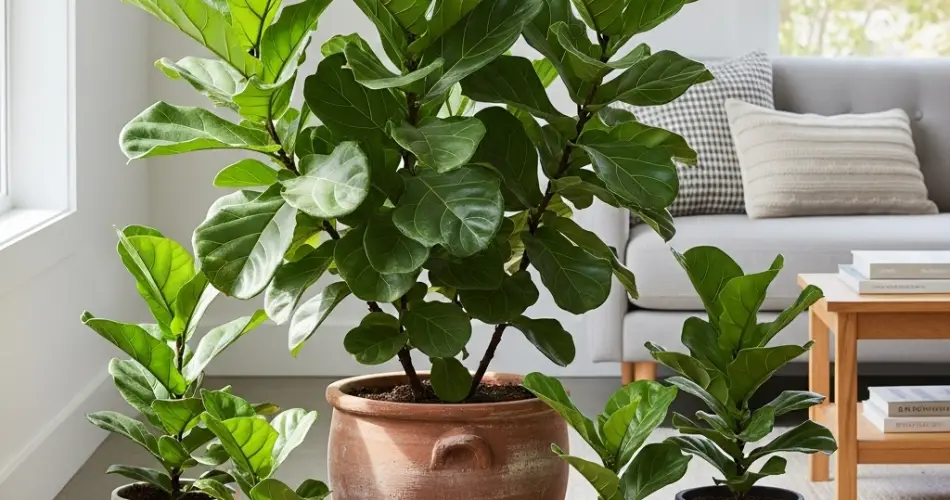
The fiddle leaf fig (Ficus lyrata) has earned a top spot in modern interior design with its bold, violin-shaped leaves and dramatic height. Native to the tropical rainforests of West Africa, this stylish plant has become a favorite for adding natural elegance to contemporary spaces. While undeniably striking, the fiddle leaf fig does require attentive care to thrive—especially when grown in indoor containers.
Whether you’re a seasoned plant enthusiast or just starting your indoor garden, this guide will help you successfully grow and maintain a fiddle leaf fig in a modern pot, keeping it healthy, vibrant, and thriving in your home.
Choosing the Right Container
Your fiddle leaf fig’s pot plays a key role in both the plant’s health and your interior décor.
Container Features to Consider:
-
Drainage Holes: Essential for preventing root rot. If your decorative pot lacks drainage, use it as a cachepot—place the plant in a plastic nursery pot with holes inside the decorative one.
-
Size: Choose a pot that is 2–4 inches wider in diameter than the root ball. A pot that’s too large can retain excess moisture, leading to soggy roots.
-
Material: Modern options include ceramic, fiberglass, concrete, or even minimalist metal containers. While aesthetics matter, prioritize breathability and functionality. Unglazed terracotta is breathable and reduces the risk of overwatering, though it dries out faster.
Choose a pot that complements your room while giving the plant enough room to grow over time.
Soil Requirements
Fiddle leaf figs prefer a rich, well-draining soil mix. Use a high-quality indoor potting soil amended with:
-
Perlite or pumice for aeration
-
A bit of coarse sand to improve drainage
-
Optional: Coconut coir or peat moss to retain some moisture
Avoid dense or moisture-retentive soils that stay wet for long periods.
Light Needs
Light is one of the most critical factors for fiddle leaf figs. They thrive in bright, indirect sunlight and need consistent exposure to maintain healthy foliage and upward growth.
Lighting Tips:
-
Place near an east- or south-facing window with filtered light.
-
Avoid direct midday sun, which can scorch the leaves.
-
Rotate the plant every few weeks to promote even growth and prevent it from leaning.
-
In low-light environments, consider using a full-spectrum grow light to supplement natural light.
Insufficient light leads to slow growth, dropping leaves, and a sparse appearance.
Watering Schedule
Fiddle leaf figs are sensitive to overwatering and underwatering. The key is consistency and moderation.
-
Watering frequency: Generally, water every 7–10 days, depending on the season, room temperature, and humidity.
-
Soil check: Let the top 2 inches of soil dry out between waterings.
-
Watering method: Water thoroughly until excess drains from the bottom, then empty the saucer to avoid root rot.
Watch for signs of trouble:
-
Yellowing leaves: Often from too much water.
-
Crispy brown edges: Usually from underwatering or low humidity.
Humidity and Temperature
Fiddle leaf figs prefer warm, humid conditions—ideally between 60–75°F (16–24°C) with humidity levels around 40–60%.
Tips to maintain humidity:
-
Mist the leaves occasionally.
-
Place a humidifier nearby.
-
Group with other plants to raise humidity naturally.
Avoid placing the plant near heating vents, drafty windows, or cold air from AC units.
Fertilizing Routine
During the active growing season (spring through early fall), feed your fiddle leaf fig every 4–6 weeks with a balanced liquid houseplant fertilizer diluted to half strength. Reduce or stop feeding during winter when growth slows.
Pruning and Shaping
Fiddle leaf figs benefit from occasional pruning to maintain shape, encourage branching, or remove damaged leaves.
-
Use clean, sharp pruning shears.
-
Prune above a leaf node to encourage branching.
-
Wipe down leaves regularly to remove dust and allow for better photosynthesis.
If your plant becomes too tall or leggy, strategic pruning can help restore a bushier, fuller appearance.
Repotting and Root Care
Fiddle leaf figs typically need repotting every 1–2 years, especially when root-bound or if growth has stalled.
-
Best done in spring.
-
Choose a pot one size larger and refresh the soil mix.
-
Trim circling roots if necessary to stimulate healthy root development.
When repotting, inspect the roots for signs of rot—brown, mushy roots should be removed immediately.
Common Issues
-
Leaf drop: Can result from shock, overwatering, or sudden changes in environment.
-
Brown spots: May indicate bacterial infection or root rot—improve drainage and avoid leaf wetting.
-
Pests: Watch for spider mites, mealybugs, and scale. Use insecticidal soap or neem oil if necessary.
Styling in Modern Interiors
Fiddle leaf figs make a bold design statement in living rooms, offices, and entryways. Pair them with mid-century modern pots, minimalist planters, or clean-lined stands for a stylish effect. Their upright growth habit makes them ideal for corners or flanking furniture pieces.
Final Thoughts
Growing a fiddle leaf fig in a modern indoor container brings together nature and design in one elegant package. While it may be a bit fussier than some houseplants, with the right pot, lighting, and care, your fiddle leaf fig will reward you with dramatic foliage and a strong, upright presence that elevates any interior space.


