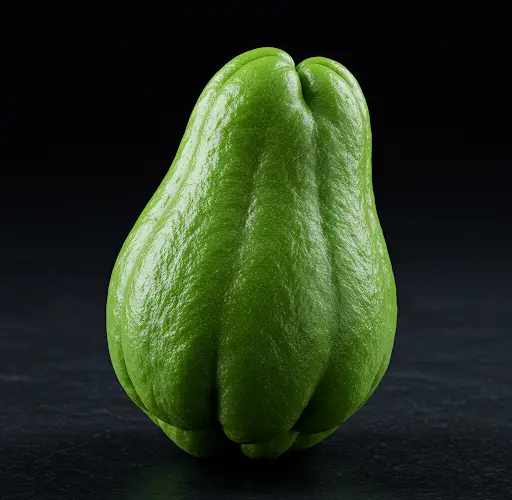
Growing Chayote on the Terrace for an Abundant and Continuous Harvest
Chayote (Sechium edule) is a versatile and fast-growing vegetable that can be successfully cultivated on a terrace with proper care. Also known as vegetable pear or mirliton, chayote belongs to the gourd family and is highly valued for its edible fruit, leaves, and tendrils. It thrives in warm climates and requires minimal maintenance, making it an excellent choice for home gardeners who want a productive plant that offers continuous harvests.
Benefits of Growing Chayote on the Terrace
- Space Efficiency – Chayote is a climbing vine, making it ideal for vertical gardening. It requires minimal ground space and can be trained to grow along trellises, railings, or walls.
- Continuous Yield – With proper care, chayote plants can produce fruit for several months, providing a steady supply of fresh vegetables.
- High Nutritional Value – Chayote is rich in fiber, vitamin C, and antioxidants, making it a healthy addition to any diet.
- Low Maintenance – Once established, chayote requires minimal care beyond occasional watering and pruning.
How to Grow Chayote on the Terrace
1. Selecting Chayote for Planting
Chayote is typically grown from whole fruits rather than seeds. Choose a mature, healthy chayote fruit with a firm texture. Look for one that has started to sprout, as this indicates it is ready for planting.
2. Preparing the Container
Since chayote has an extensive root system, it is best grown in a large container. Select a pot or grow bag with a minimum capacity of 20-30 liters. Ensure the container has good drainage to prevent waterlogging.
3. Soil Requirements
Chayote thrives in well-draining, fertile soil. A mixture of garden soil, compost, and sand works best. The ideal pH level for chayote is between 6.0 and 6.8. Enriching the soil with organic compost or manure will help the plant grow vigorously.
4. Planting the Chayote
Place the sprouted chayote fruit in the container with the sprout facing upward. Bury it halfway into the soil, ensuring the top part remains exposed. Water it thoroughly after planting.
5. Providing Support
Chayote is a vigorous climber and requires strong support. Install a sturdy trellis, stakes, or a wire mesh for the vines to climb. This will maximize vertical space and encourage better fruit production.
6. Watering and Fertilizing
- Water the plant consistently, keeping the soil moist but not soggy. Avoid overwatering, as it can lead to root rot.
- Fertilize the plant every two weeks using a balanced organic fertilizer. A combination of compost, fish emulsion, or liquid seaweed extract can provide the necessary nutrients.
- Once flowering begins, switch to a fertilizer rich in phosphorus and potassium to encourage fruit development.
7. Sunlight Requirements
Chayote requires at least 6-8 hours of direct sunlight daily. If your terrace does not receive enough sunlight, consider using reflective surfaces or relocating the container to a sunnier spot.
8. Pruning and Maintenance
- Regularly trim excess vines to promote better air circulation and prevent overcrowding.
- Remove any dead or diseased leaves to keep the plant healthy.
- Monitor for pests such as aphids, whiteflies, and spider mites. Use neem oil or insecticidal soap if needed.
Harvesting Chayote
Chayote fruits typically mature within 4-6 months of planting. The best time to harvest is when the fruits are still young, tender, and about 4-6 inches in length. Overripe chayote can become tough and fibrous. To harvest, cut the fruit from the vine using pruning shears or a sharp knife.
Encouraging Continuous Production
To ensure a prolonged harvest, keep the plant well-fed and pruned. Removing mature fruits regularly encourages the plant to produce more. With proper care, a single chayote plant can yield dozens of fruits throughout the growing season.
Common Problems and Solutions
- Yellowing Leaves: This may indicate overwatering or nutrient deficiency. Adjust watering frequency and add compost or organic fertilizer.
- Poor Flowering: Chayote produces both male and female flowers. If there is a lack of female flowers, try hand-pollination or improve soil nutrition.
- Pests and Diseases: Keep an eye out for fungal infections, powdery mildew, and common garden pests. Neem oil and organic fungicides can help manage these issues.
Conclusion
Growing chayote on the terrace is a rewarding experience that offers an abundant and continuous harvest. With minimal effort, you can enjoy fresh, homegrown chayote while making the most of your vertical gardening space. Whether eaten raw, cooked, or added to various dishes, chayote is a nutritious and delicious vegetable that deserves a spot in every urban garden. Start planting today and enjoy the benefits of this versatile plant!


