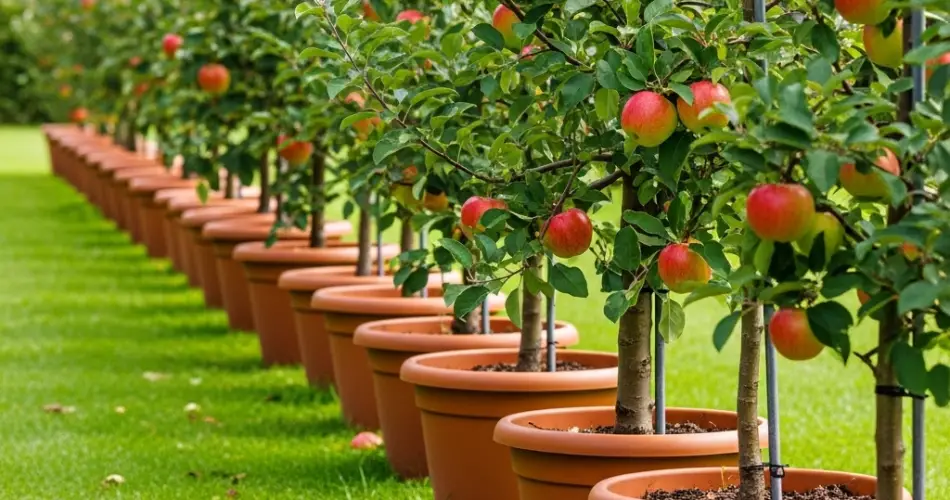
Think you need a big backyard to grow your own apples? Think again. With the right container, variety, and care, you can successfully grow apple trees on a patio, balcony, or terrace. Container gardening makes it possible for even city dwellers and renters to enjoy the satisfaction of harvesting homegrown apples.
Whether you’re short on space or simply want a more manageable fruit tree, container-grown apple trees are a beautiful and fruitful addition to any garden setup. Here’s how to grow them with ease.
Why Grow Apples in Containers?
Growing apple trees in containers has many benefits:
-
Space efficiency: Perfect for patios, balconies, and small yards.
-
Portability: Move your tree to catch more sun or protect it from bad weather.
-
Control: Easier to manage soil conditions, watering, and pests.
-
Variety: Try multiple types of apples in small spaces.
-
Ornamental appeal: Apple trees offer beautiful blossoms in spring and colorful fruit in fall.
With a little planning, container-grown apples can be both productive and ornamental.
Choosing the Right Apple Tree Variety
Not all apple trees are well-suited for containers. Look for dwarf or semi-dwarf varieties grafted onto compact rootstocks. These grow smaller, remain manageable, and still produce full-sized fruit.
Ideal varieties for containers:
-
‘Golden Delicious’
-
‘Granny Smith’
-
‘Gala’
-
‘Fuji’
-
‘Honeycrisp’
-
‘Cox’s Orange Pippin’
Choose varieties labeled as self-pollinating, or plant two compatible varieties for cross-pollination if space allows. Alternatively, look for a “family tree” that has multiple varieties grafted onto one trunk.
Selecting the Right Container
A healthy apple tree starts with a good container. You’ll need:
-
Size: At least 18–24 inches in diameter and 16–20 inches deep
-
Material: Terracotta, ceramic, plastic, or wooden planters are all suitable. Lightweight materials are easier to move.
-
Drainage: Ensure the container has plenty of drainage holes. Sitting water can cause root rot.
You can start small, but be prepared to repot into a larger container as the tree matures.
Potting Mix and Soil
Apple trees require well-draining, fertile soil. Avoid using garden soil alone, as it can become compacted in containers.
Recommended mix:
-
1 part high-quality potting mix
-
1 part compost or well-rotted manure
-
1 part coarse sand or perlite for drainage
Add a slow-release fertilizer when planting, and refresh the soil mix every couple of years.
Planting Your Apple Tree
Follow these steps for successful planting:
-
Place a layer of gravel or stones at the bottom of the pot for drainage.
-
Fill halfway with your soil mix.
-
Gently remove the tree from its nursery container and loosen the root ball.
-
Position the tree so that the graft union (a slight bulge near the base of the trunk) stays above the soil line.
-
Fill the rest of the container with soil, firm gently, and water thoroughly.
Add a layer of organic mulch to retain moisture and suppress weeds, but keep it a few inches away from the trunk.
Light and Location
Apple trees need full sun—at least 6 to 8 hours of direct sunlight daily. Choose a bright, sheltered location that’s protected from strong wind.
If your space doesn’t get consistent sunlight, consider rotating the pot every week so all sides of the tree receive light evenly.
Watering and Fertilizing
Container-grown trees dry out more quickly than those in the ground.
-
Water regularly, especially during hot or windy weather. Check moisture by feeling the top inch of soil.
-
Avoid overwatering—ensure excess water drains freely.
-
Feed monthly during the growing season (spring to late summer) with a balanced liquid fertilizer or citrus/fruit tree fertilizer.
Pruning and Pollination
Prune your apple tree annually during winter or early spring while it’s dormant. Focus on:
-
Removing dead, damaged, or crossing branches
-
Shaping the tree to encourage airflow and light penetration
-
Maintaining a compact size for the container
For pollination, encourage bees and other pollinators by placing companion flowering plants nearby. If you grow only one tree, choose a self-fertile variety or hand-pollinate flowers using a soft brush.
Winter Protection
If you live in a region with freezing winters, containers can expose roots to cold damage.
Protect your tree by:
-
Wrapping the pot with insulation or bubble wrap
-
Moving it to a sheltered spot like a garage or covered porch
-
Mulching heavily around the base
-
Reducing watering in dormancy, but don’t let the roots dry out completely
In milder climates, apple trees can remain outdoors year-round.
Harvesting and Enjoying Your Apples
Most dwarf apple trees start producing fruit within 2–3 years. Apples are ready to harvest when they come off the branch easily with a gentle twist and have developed their full color and flavor.
Store apples in a cool, dry place or enjoy them fresh, baked, or juiced. The satisfaction of picking your own homegrown apple—right from a container—is hard to beat.
Final Thoughts
Growing apple trees in containers is a fantastic option for gardeners with limited space. With the right variety, soil, and care, you can enjoy blossoms in spring and crisp apples in autumn—all from your balcony or patio. Compact, productive, and beautiful, container-grown apple trees are a perfect blend of function and charm.


