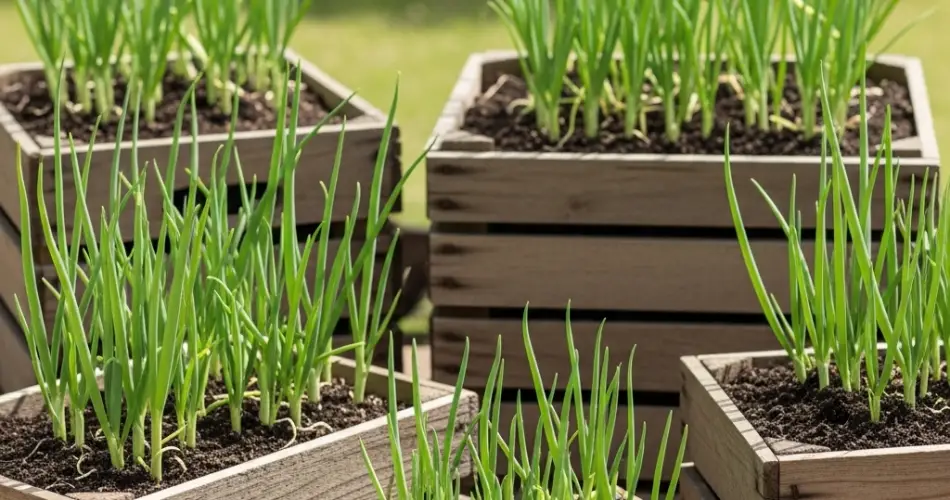
Scallions, also known as green onions or spring onions, are among the easiest vegetables to grow, especially in containers. Their shallow root system, quick growth, and continuous harvest potential make them an ideal crop for urban gardeners. If you have limited space, a simple wooden crate on your balcony is all you need to start growing your own fresh scallions at home.
This method not only conserves space but also provides a steady supply of flavorful greens right outside your door. Whether you’re a beginner or an experienced gardener looking to maximize yield in small areas, a balcony crate setup is perfect for scallions.
Why Choose Crates for Scallions?
Crates are an excellent option for growing scallions because they are:
-
Lightweight and portable: Easy to move for optimal sunlight exposure.
-
Well-ventilated: Prevents root rot and promotes healthy growth.
-
Compact: Fits neatly into small spaces like balconies or patios.
-
Reusable and eco-friendly: Especially if made from reclaimed wood or plastic.
Crates also allow good drainage, which is essential for scallions since they don’t thrive in soggy soil.
What You’ll Need
To get started, gather the following materials:
-
A medium to large wooden or plastic crate
-
Landscape fabric or old cloth for lining
-
Lightweight potting mix enriched with compost
-
Scallion seeds or kitchen scraps (white base with roots)
-
Watering can or hose with a fine nozzle
-
Organic liquid fertilizer (optional)
You can use scallion seeds, but many gardeners also regrow scallions from store-bought stalks. Both methods are effective in crate gardening.
Preparing Your Crate Planter
-
Line the Crate: Place landscape fabric or breathable cloth inside the crate to prevent soil from falling through the gaps while still allowing drainage.
-
Check Drainage: Ensure your crate has drainage holes at the bottom. If needed, drill a few small holes to prevent water from pooling.
-
Add Soil: Fill the crate with well-draining potting mix, ideally a blend of soil, compost, and a bit of sand or perlite for aeration. Leave about 1 inch of space from the top.
Planting Your Scallions
Option 1: From Seed
Sow scallion seeds about ¼ inch deep, spaced about 1 inch apart in rows. Water gently but thoroughly after planting. Germination usually occurs in 7–14 days.
Option 2: From Kitchen Scraps
Trim the green tops and place the white bulb ends (with roots) directly into the soil, root-side down. Space each bulb about 1–2 inches apart. Water well.
Both methods are reliable, but growing from scraps gives you a head start with quicker regrowth.
Light and Water Needs
Scallions need at least 4–6 hours of sunlight per day. Place your crate in the sunniest part of your balcony. Morning sun is ideal, especially in hot climates.
Water the crate regularly to keep the soil consistently moist but not waterlogged. Because containers dry out faster than ground soil, check the moisture daily, particularly in warm weather.
Feeding and Maintenance
Scallions are not heavy feeders, but to encourage faster growth and more robust greens, you can feed them with diluted organic liquid fertilizer or compost tea every two weeks.
Here are a few maintenance tips:
-
Mulch the surface of the soil to retain moisture and reduce weeds.
-
Thin overcrowded seedlings to give each plant enough space to grow.
-
Rotate the crate every few days if sunlight is uneven across your balcony.
Harvesting Your Scallions
Scallions are typically ready to harvest in 30–60 days, depending on the variety and growing conditions.
You have two options for harvesting:
-
Partial Harvest: Snip the green tops and leave the bulbs to regrow. This method allows multiple harvests from the same plants.
-
Full Harvest: Gently pull out the entire plant when it reaches the desired size.
To ensure continuous supply, consider planting a new batch every two weeks. This staggered planting strategy ensures you’ll always have fresh scallions ready to use.
Replant and Repeat
After a full harvest, you can reuse the same crate. Just refresh the soil by mixing in some compost and remove any leftover roots. Then, plant another round of seeds or kitchen scraps.
If you’ve grown from scraps, you can also propagate the next round by saving the base again and repeating the process.
Final Thoughts
Crate gardening offers an efficient, sustainable, and space-saving way to grow scallions, even if all you have is a small balcony. This method requires minimal materials and effort, yet provides maximum returns in terms of flavor and freshness. By following a simple routine of planting, watering, and harvesting, you’ll enjoy an endless supply of green onions for cooking, garnishing, or snacking.
Growing scallions in crates is perfect for those who want fresh produce without the commitment of a full garden. With this setup, your balcony becomes a productive green space, bringing farm-to-table freshness just a few steps from your kitchen.


