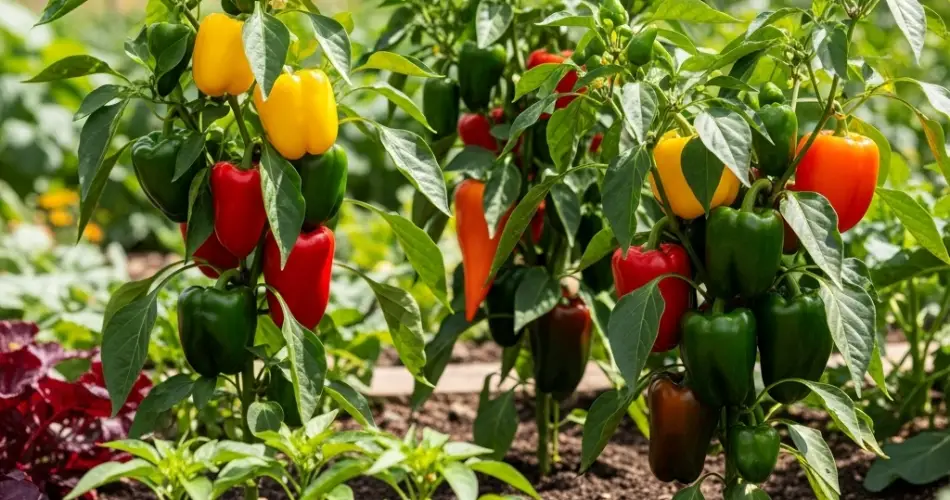
If you’ve ever tossed pepper seeds from a store-bought bell or chili pepper into the trash, you might want to think again. Those tiny seeds hold massive growing potential. In just over a week, you can germinate hundreds — even thousands — of pepper plants, all from a few supermarket peppers you already have in your kitchen.
This method is incredibly simple, cost-free, and beginner-friendly. Whether you’re growing peppers in pots, garden beds, or greenhouses, starting your own seedlings at home is an excellent way to save money and produce healthy, organic crops.
Here’s how to germinate pepper seeds from supermarket produce and enjoy an abundant pepper harvest — all starting in your kitchen.
Why Use Supermarket Peppers?
Supermarket peppers — especially red, yellow, or orange bell peppers — are typically harvested when fully ripe, making their seeds viable for planting. Many gardeners overlook the fact that these seeds are perfectly capable of sprouting and producing new plants. Whether you’re using sweet peppers or hot varieties, the germination method is largely the same.
Benefits include:
-
Zero cost – No seed packets or garden center visits required
-
Quick results – Germination in as little as 7–8 days
-
Great for all levels – Ideal for both beginners and experienced gardeners
-
Abundant yield – Each pepper can produce 50–100 seeds
What You’ll Need
-
1 or more ripe supermarket peppers (red, yellow, orange, or hot varieties)
-
A cutting board and knife
-
Paper towels
-
A sealable plastic bag or food container
-
Spray bottle with clean water
-
Potting mix and small containers or seed trays
-
Sunny window or grow lights
Step-by-Step: How to Germinate Pepper Seeds at Home
Step 1: Extract the Seeds
Cut open the peppers and gently scrape out the seeds with a spoon or your fingers. Spread them on a paper towel and remove any attached pulp. Choose seeds that are full, firm, and tan in color—these have the highest chance of sprouting.
Step 2: Dry (Optional)
If you’re not planting immediately, allow the seeds to dry in a shaded, well-ventilated area for 2–3 days. If you want to start right away, you can skip this step and proceed directly to germination.
Step 3: Pre-Germinate Using the Paper Towel Method
To accelerate germination:
-
Place the seeds between two damp paper towels.
-
Insert the towel into a plastic bag or sealable food container.
-
Label the bag with the date and pepper variety (optional but helpful).
-
Keep it in a warm, dark location — ideally around 25–30°C (77–86°F).
Check daily for moisture and mold. Spray lightly with water if towels begin to dry out.
Within 5–8 days, you should see tiny white roots emerging from many of the seeds.
Step 4: Transplant Germinated Seeds
Once the seeds have sprouted small roots (about 0.5–1 cm long), it’s time to move them into soil.
-
Fill seed trays or small pots with moist, light potting mix.
-
Use a pencil or stick to poke shallow holes about 1 cm deep.
-
Gently place each sprouted seed root-down into the hole and cover lightly with soil.
-
Water gently and place in a warm, bright spot (sunny window or grow light).
Step 5: Care for Your Seedlings
Keep the soil consistently moist, but not soggy. As seedlings grow, ensure they get plenty of sunlight to avoid becoming leggy or weak. After about 2–3 weeks, the seedlings will develop true leaves, at which point they can be transplanted to larger pots or your garden.
Tips for Success
-
Use ripe peppers: Green peppers may contain immature seeds that won’t germinate.
-
Warmth is key: Pepper seeds need warm temperatures to sprout. Using a heat mat can improve success.
-
Thin seedlings if needed: If multiple seeds sprout in the same pot, remove the weakest ones to give others more room.
-
Harden off: Before planting outdoors, gradually introduce seedlings to outdoor conditions over 5–7 days.
Common Questions
Can I grow peppers indoors?
Yes! Peppers do well in containers and can be grown indoors year-round with enough light and warmth.
Will the peppers be the same as the original?
If the supermarket pepper is from a hybrid variety, the resulting plant may produce fruit that’s slightly different. Still, the plants are usually vigorous and productive.
Can I use hot pepper seeds too?
Absolutely. Jalapeños, cayennes, and other hot varieties germinate just as easily.
Final Thoughts
In under two weeks, you can grow hundreds of pepper seedlings from a few supermarket fruits you may have otherwise thrown away. It’s an excellent way to kickstart your garden, save money, and experience the joy of watching something grow from scratch.
Whether you plant a few or fill an entire greenhouse, this method gives you a head start on a productive, flavorful pepper harvest. Try it once, and you may never buy pepper seeds again.


