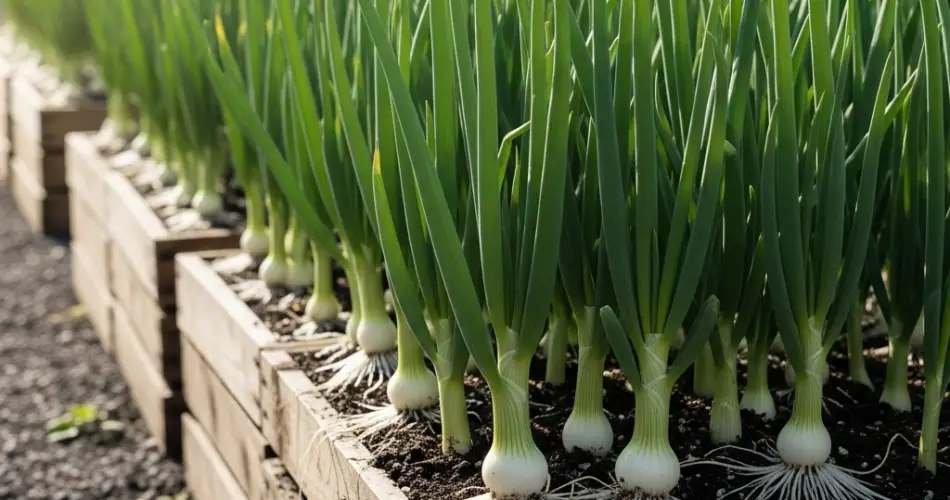
Growing your own food doesn’t require a yard or traditional garden beds. If you have a few wooden or plastic crates and a bit of sunlight, you can cultivate crisp, flavorful scallions right on your balcony, patio, or even windowsill. Scallions (also known as green onions or spring onions) are fast-growing, low-maintenance, and ideal for container gardening—especially in crates.
With the right setup, you can enjoy a steady supply of scallions throughout the year, whether you’re garnishing soups, mixing salads, or adding zing to stir-fries.
Why Grow Scallions in Crates?
Scallions are compact, resilient, and grow well in confined spaces, making them perfect for urban gardeners. Crates offer several advantages:
-
Good drainage: Most crates allow water to escape easily, preventing root rot.
-
Portability: Crates can be shifted to catch sunlight or avoid harsh weather.
-
Recyclability: Old fruit or storage crates give new life as growing containers.
-
Year-round potential: In many climates, scallions can be grown continuously or regrown from kitchen scraps.
This makes crate gardening not just a creative use of space but also a practical solution for small homes or balconies.
Selecting and Preparing a Crate
Choose a crate that is at least 6 to 8 inches deep. Wooden crates, milk crates, or plastic storage bins (with holes drilled for drainage) work well. For wooden containers, consider lining the inside with breathable fabric like burlap or landscape cloth to hold in soil while allowing water to escape.
Make sure the crate has:
-
Adequate drainage holes or gaps at the bottom
-
A stable base for sitting on flat surfaces
-
Enough space to grow scallions close together
Place a saucer or tray underneath if you’re growing indoors to catch any runoff water.
Soil Mix and Fertilization
Scallions prefer loose, well-draining soil. Mix:
-
2 parts potting soil
-
1 part compost or worm castings
-
A handful of perlite or coarse sand for aeration
This mixture encourages healthy root development while holding enough moisture to support constant growth. Before planting, moisten the soil lightly—just enough so it’s damp but not soggy.
Add a balanced slow-release organic fertilizer or incorporate compost into the mix to provide nutrients throughout the growing period.
Planting Scallions: From Seed or Scraps
You can grow scallions either by sowing seeds or replanting kitchen leftovers.
Option 1: Planting from Seeds
-
Sow seeds about ¼ inch deep, spaced 1 inch apart.
-
Cover with soil and gently pat down.
-
Water gently and keep soil consistently moist.
Germination typically occurs in 7–10 days. Once sprouts appear, thin them slightly if needed—but scallions can grow fairly close together without issue.
Option 2: Regrowing from Kitchen Scraps
-
Save the white root ends of store-bought scallions (1–2 inches from the base).
-
Place them in a glass of water until new green shoots appear (3–5 days).
-
Transplant directly into the crate, burying the roots and leaving the new shoots above the soil.
This method is especially useful for continuous harvests and waste reduction.
Light and Watering Needs
Scallions grow best in full sun—about 6 hours of light per day—but they also tolerate partial shade. Place your crate where it gets good morning sun or steady daylight. South- or east-facing balconies or windowsills are ideal.
Water regularly to keep the soil evenly moist. Avoid letting the soil dry out completely, as this can slow growth. However, too much water may cause rot, so ensure the crate drains well.
Harvesting Scallions
You can begin harvesting scallions once the green tops reach about 6–8 inches tall—usually in 30–45 days after planting.
There are two main methods:
-
Trim-and-regrow: Snip off the green tops about an inch above the soil. They’ll regrow several times.
-
Pull entire plants: Harvest the whole scallion, including the white bulb, if you need the full stalk.
To keep a constant supply, consider sowing new seeds every 2–3 weeks in a staggered pattern. This way, as you harvest one batch, another will be growing to replace it.
Maintaining Your Crate Garden
To keep your scallion crate productive all year:
-
Remove yellowing or dead leaves promptly.
-
Top up the crate with fresh compost every few months.
-
Re-seed empty spaces after harvesting full plants.
-
Protect plants from extreme cold with a plastic covering or by bringing crates indoors.
Scallions are hardy and can survive mild frost, but consistent growth requires moderate temperatures and good sunlight.
Bonus Tip: Companion Planting
Scallions naturally deter many pests, so they pair well with other crate-grown vegetables like carrots, lettuce, or beets. Their shallow roots won’t compete heavily, and they add both beauty and function to mixed crate gardens.
Conclusion
Whether you live in an apartment, condo, or a home with limited outdoor space, scallions are one of the easiest and most productive crops you can grow in recycled crates. They take up minimal space, require little maintenance, and provide ongoing harvests that elevate your meals with freshness and flavor.
With a bit of planning and consistent care, your crate garden can become a reliable source of scallions all year round—no soil bed or backyard required.


