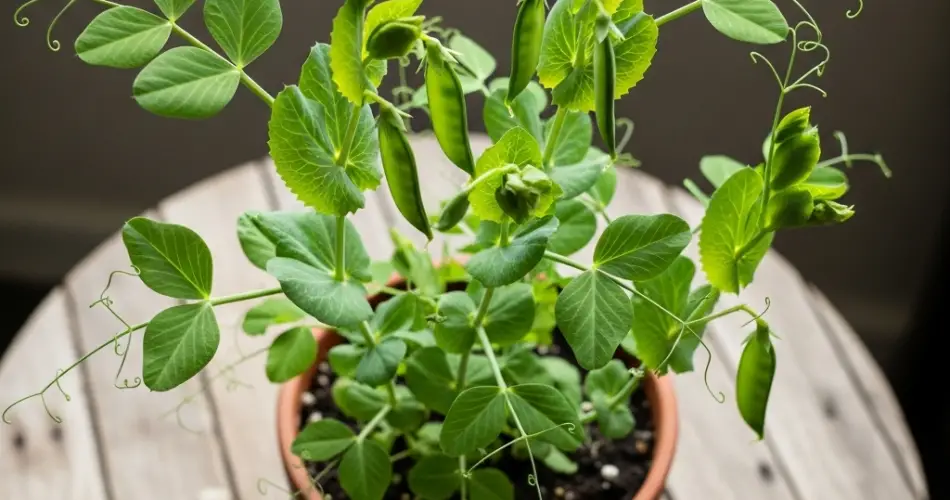
Fresh garden peas are a true delight—sweet, tender, and packed with nutrients. The good news is that you don’t need a large vegetable patch to enjoy homegrown peas. Growing peas in pots is an easy and space-saving solution that works beautifully on balconies, patios, or even sunny windowsills. With a bit of preparation and care, you can enjoy a continuous harvest of crisp green pods right at your fingertips.
Why Grow Peas in Containers?
Peas are ideal for container gardening because they don’t have deep roots and grow quickly. They thrive in cooler temperatures, making them perfect for early spring or autumn planting. Growing peas in pots also allows you to control soil quality, drainage, and sunlight—essential factors for a healthy, productive crop.
Whether you’re short on space or simply want to add a touch of greenery to your outdoor area, potted peas offer a productive and visually appealing solution.
Best Pea Varieties for Pots
When choosing pea varieties for containers, opt for compact or dwarf types that don’t grow too tall. These are easier to manage in a limited space and still produce plenty of pods. Good options include:
-
Little Marvel: A dwarf shelling pea that grows up to 18 inches tall.
-
Tom Thumb: Extremely compact, perfect for small pots and windowsills.
-
Sugar Ann: A snap pea that matures quickly and tastes delicious.
-
Oregon Sugar Pod: A flat-podded snow pea ideal for stir-fries and salads.
Selecting the Right Container
Peas don’t require deep pots because their roots are shallow, but they do need horizontal room to spread and support structures for climbing varieties. Choose a container at least 12–14 inches deep and wide enough to space multiple plants.
Good drainage is crucial. Select containers with drainage holes at the bottom, and place a saucer or tray underneath to collect excess water. Lightweight pots like plastic or fabric grow bags are easier to move, but ceramic or clay pots also work well if placed in a sunny, sheltered location.
Preparing the Soil
Peas grow best in loose, well-draining soil rich in organic matter. A quality potting mix enriched with compost or aged manure provides an ideal growing medium. Aim for a neutral to slightly alkaline pH (around 6.5–7.5).
Avoid waterlogged soil or heavy clay mixtures. If needed, mix in some perlite or coarse sand to improve aeration and drainage. Because peas fix nitrogen naturally, they don’t need heavy feeding—just a balanced organic fertilizer at planting time is enough.
Sowing Pea Seeds
Peas are best grown from seed sown directly into the pot. Soaking seeds in water for a few hours before planting helps speed up germination.
Plant the seeds about 1 inch deep and 2 inches apart. If you’re using a larger pot, you can plant in rows or circular patterns to make the most of the space. After sowing, water gently and place the pot in a sunny spot.
In cool conditions, germination may take 10–14 days. Once the seedlings are a few inches tall, thin them out so they have space to grow and airflow around the stems, which helps prevent fungal issues.
Supporting Pea Plants
Most peas need some form of support to climb. Insert bamboo stakes, twigs, a small trellis, or even chicken wire into the pot at planting time. This prevents disturbing the roots later and gives the vines something to grab as they grow.
For dwarf varieties, minimal support is needed—some can even grow upright without help. Taller types like snap peas and snow peas benefit from vertical supports to maximize air circulation and sunlight exposure.
Watering and Light Requirements
Peas prefer consistent moisture, especially during flowering and pod development. Water the container when the top inch of soil feels dry, but avoid waterlogging. Container-grown peas may need more frequent watering than garden-grown ones due to quicker drying in pots.
Place the container in a location that receives at least 5–6 hours of sunlight per day. In warmer climates, morning sun with afternoon shade is ideal to prevent the plants from overheating or drying out too quickly.
Harvesting Your Peas
Peas mature quickly—usually within 60–70 days, depending on the variety. Regular harvesting encourages the plant to produce more pods.
For shelling peas, wait until the pods are plump and firm. Snap peas are best picked when the pods are still tender but filled out. Snow peas should be harvested when the pods are flat and crisp.
Use two hands to pick the pods: one to hold the vine and the other to pull the pod gently. This prevents damaging the plant. Harvest every couple of days to keep the plant productive.
Final Tips for Success
-
Mulch the topsoil with straw or dried leaves to retain moisture and keep roots cool.
-
Avoid over-fertilizing, especially with nitrogen-rich feeds, as it can lead to lush leaves but fewer pods.
-
Watch for pests like aphids and powdery mildew. Neem oil or insecticidal soap can help manage issues naturally.
-
Plant successively every few weeks for a prolonged harvest season.
Conclusion
Growing peas in pots is a satisfying way to enjoy fresh, crisp pods straight from your patio or balcony. With a few basic materials and a bit of care, you’ll have a thriving crop in no time. Whether you’re a beginner or an experienced gardener, container-grown peas offer a delicious and decorative addition to any small-space garden.


