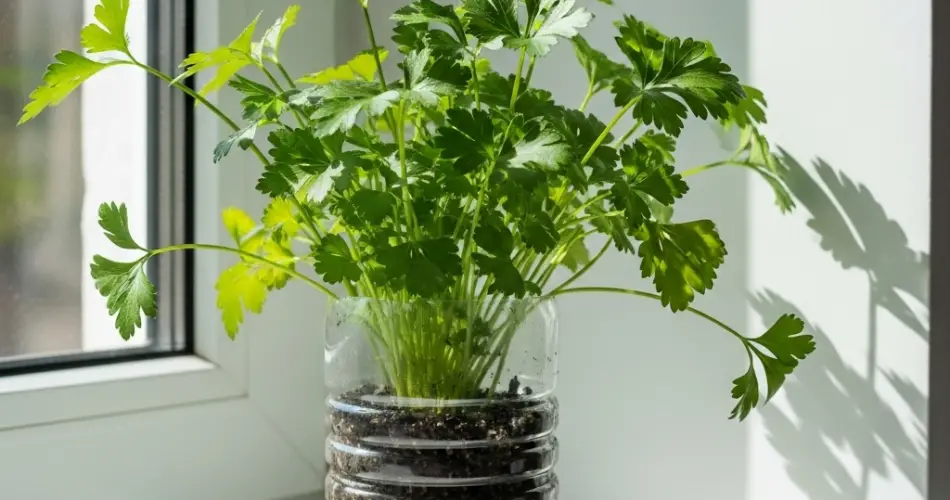
Parsley (Petroselinum crispum) is a popular culinary herb known for its fresh, clean flavor and vibrant green leaves. Whether you prefer the curly-leaf or flat-leaf (Italian) variety, parsley is a versatile plant that’s easy to grow at home. One of the most space-saving and resourceful ways to cultivate parsley is by using plastic bottles. This method is perfect for both indoor and outdoor gardening, especially if you have limited space, such as a balcony, kitchen windowsill, or small patio.
By recycling plastic bottles, you can create a functional mini herb garden that provides fresh parsley for months.
Why Grow Parsley in Bottles?
Plastic bottles are an excellent alternative to traditional pots. They’re lightweight, easy to customize, and allow for vertical or horizontal gardening setups. Growing parsley in bottles also helps reduce plastic waste and gives you better control over watering, drainage, and sunlight exposure.
This method works equally well indoors and outdoors, making it a flexible option for urban dwellers, apartment residents, or anyone looking to start a small herb garden without investing in pots or planters.
Materials You’ll Need
-
1- or 1.5-liter clear plastic bottles
-
A sharp knife or cutter
-
Potting mix (well-draining)
-
Parsley seeds or seedlings
-
Watering can or spray bottle
-
Optional: compost, sand, or perlite for improved drainage
-
A sunny windowsill, balcony, or patio
Step 1: Preparing the Bottle
Start by cleaning the bottle thoroughly and removing any labels. Using a knife or scissors, cut the bottle about two-thirds from the base if planting vertically, or cut a rectangular opening on the side if planting horizontally.
Poke small drainage holes in the bottom to allow excess water to escape. If planting horizontally, add a few holes along the bottom edge. For vertical planting, you may also poke holes on the sides for airflow.
You can place the bottle on a tray to catch drainage water, especially if keeping it indoors.
Step 2: Preparing the Soil
Parsley prefers rich, well-draining soil. Use a good-quality potting mix and enhance it with compost or worm castings for better nutrition. Adding a small amount of perlite or coarse sand improves drainage and prevents soggy roots.
Fill the bottle with the soil mix, leaving about an inch of space at the top to make watering easier.
Step 3: Planting Parsley
You can grow parsley from seeds or seedlings. If using seeds, soak them in warm water for 12–24 hours before planting. This softens the seed coat and speeds up germination.
-
Sowing seeds: Sprinkle 3–5 seeds in each bottle and cover them with about ¼ inch of soil. Gently water to settle the soil.
-
Using seedlings: Make a small hole in the center of the soil and insert the seedling. Firm the soil gently around the base and water lightly.
Place the bottles in a location that gets at least 4–6 hours of sunlight daily. A sunny windowsill or balcony is ideal.
Step 4: Watering and Care
Parsley likes consistent moisture but not waterlogged soil. Use a watering can with a narrow spout or a spray bottle to water the plant gently, especially during early growth. Always check the top inch of soil before watering—if it’s dry, it’s time to water.
For indoor bottles, avoid overwatering to prevent mold. Good drainage is key, so make sure the bottle’s holes are functioning properly.
Feed the plants every 3–4 weeks with a mild liquid fertilizer, compost tea, or diluted fish emulsion for strong, leafy growth.
Step 5: Indoor vs. Outdoor Placement
-
Indoors: Place the bottle near a bright window where it can receive natural sunlight. If needed, supplement with a grow light to provide adequate exposure, especially in low-light areas or during winter.
-
Outdoors: Position the bottle on a balcony, patio, or garden shelf where it gets direct morning sun and partial afternoon shade. Avoid placing it in areas exposed to heavy rain or wind.
During hot weather, outdoor bottles may dry out faster, so monitor moisture levels more frequently.
Step 6: Harvesting Parsley
Parsley can take 3–4 weeks to germinate from seed and about 10 weeks to become harvest-ready. Begin harvesting when the plant has several mature leaves, typically 6 inches tall.
To harvest, snip the outer leaves at the base of the stem, leaving the inner core to continue growing. Avoid cutting more than one-third of the plant at a time to encourage continual growth.
Regular harvesting also helps prevent the plant from going to seed and keeps it lush and productive.
Troubleshooting Common Issues
-
Leggy growth: Not enough sunlight. Move the plant to a brighter location.
-
Yellowing leaves: May be due to overwatering or nutrient deficiency. Improve drainage and consider fertilizing.
-
Slow germination: Parsley seeds are naturally slow to sprout. Patience and soaking seeds beforehand can help.
Final Thoughts
Growing parsley in plastic bottles is an affordable, eco-friendly, and efficient way to enjoy fresh herbs year-round. Whether you live in a small apartment or want to create a vertical herb wall outdoors, this method adapts to your space and needs. With just a few simple tools and a bit of care, you’ll have a steady supply of parsley for garnishing dishes, seasoning meals, and adding a burst of green to your kitchen or garden.


