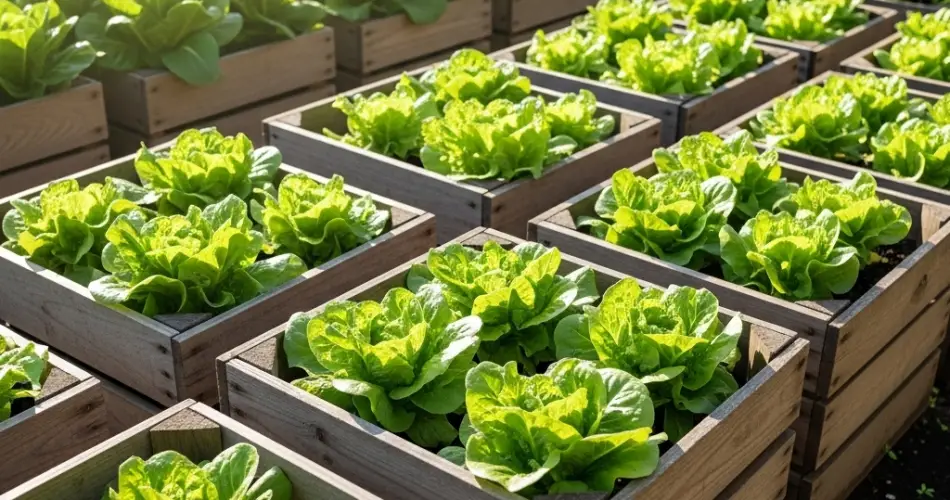
Growing your own lettuce doesn’t require a backyard or large garden—just a few wooden crates and a sunny spot will do. Lettuce is one of the easiest leafy greens to cultivate in compact urban spaces. With minimal effort and space, you can harvest fresh, crisp leaves right from your balcony, patio, or even a sunny windowsill.
Using wooden garden crates not only saves space but also provides a neat and organized look to your edible garden. These containers are ideal for shallow-rooted crops like lettuce and can be easily moved around to follow the sun. Here’s how to grow lettuce the easy way using wooden garden crates.
Why Wooden Crates Work So Well
Wooden crates offer excellent airflow and drainage—two essential elements for growing healthy lettuce. They’re lightweight, eco-friendly (especially if repurposed), and easy to customize. Most types of lettuce, including romaine, butterhead, leaf, and even baby greens, thrive in crate conditions because their roots don’t need deep soil.
Another advantage is portability. If the sun moves across your space during the day, you can reposition the crate easily to make sure your lettuce gets enough light.
Materials You’ll Need
To set up your lettuce crate garden, gather the following:
-
A wooden crate (fruit crates or wine boxes work great)
-
Landscape fabric or old cotton cloth
-
Potting mix (preferably enriched with compost)
-
Lettuce seeds or seedlings
-
Watering can or spray bottle
-
Optional: organic fertilizer
Make sure the crate is sturdy and untreated, especially if it’s reclaimed. If it doesn’t have drainage holes, drill a few at the base.
Preparing the Crate
-
Line the Inside: Use landscape fabric or any breathable material to line the interior. This prevents soil from spilling out while still allowing water to drain.
-
Fill with Soil: Add a well-draining potting mix. Lettuce prefers slightly loose, nutrient-rich soil with good moisture retention. Leave about an inch of space at the top.
-
Moisten the Soil: Before planting, water the soil lightly so it’s evenly moist but not soggy.
Planting the Lettuce
You can grow lettuce either from seeds or transplants. Seeds are more economical and allow you to stagger your plantings for a continuous harvest.
-
From Seeds: Scatter the seeds over the soil surface, then lightly cover them with a thin layer of soil—no more than ¼ inch deep. Mist gently with water to settle them in.
-
From Seedlings: Dig small holes and plant them at the same depth they were growing in their nursery pots. Space each seedling about 4–6 inches apart, depending on the variety.
Place the crate in a sunny spot where it will receive 4–6 hours of sunlight daily. Morning sun is ideal, especially in warmer climates.
Care and Maintenance
Lettuce needs consistent moisture to grow well. Dry conditions can lead to bitter leaves or premature bolting (flowering). Check the soil daily, especially in warm or windy weather, and water when the top inch feels dry.
A few simple care tips:
-
Water regularly but avoid overwatering. Lettuce doesn’t like soggy roots.
-
Thin out overcrowded seedlings to prevent disease and encourage airflow.
-
Use mulch (like straw or dry leaves) to retain moisture and suppress weeds.
-
Feed monthly with a diluted organic liquid fertilizer or compost tea if desired.
Crates can dry out faster than ground beds, so keeping up with watering is key.
Pest Control
Lettuce can attract pests like aphids and snails. Fortunately, crate gardening reduces the risk by elevating the plants off the ground. Still, monitor regularly and try these natural methods:
-
Neem oil spray or diluted soap solutions can deter aphids.
-
Crushed eggshells or copper tape can help repel slugs and snails.
-
Handpick pests in the early morning or evening if needed.
Good airflow from the open crate sides also helps prevent fungal issues like mildew.
Harvesting Lettuce
Depending on the variety, lettuce can be harvested in 30 to 60 days. You have two main options:
-
Cut-and-Come-Again: Trim outer leaves and let the center grow back. This method provides multiple harvests from the same plant.
-
Full Harvest: Cut the whole plant about an inch above the soil. This works best for head lettuces or when plants begin to bolt.
For a continuous supply, plant new seeds every two weeks.
Refresh and Replant
Once you’ve harvested a full crop, remove old roots and refresh the soil by adding compost or mixing in new potting mix. This keeps the crate fertile for the next batch.
Wooden crates may eventually wear out due to moisture, so consider sealing the outside with natural wood oil (not the inside) to extend their life.
Final Thoughts
Wooden crate gardening is a practical, attractive, and efficient way to grow lettuce in small spaces. Whether you’re working with a balcony, rooftop, or a sunny kitchen corner, this method brings the farm-to-table experience right to your home. With minimal investment and maintenance, you can enjoy fresh, crisp lettuce leaves anytime—no store run required.


