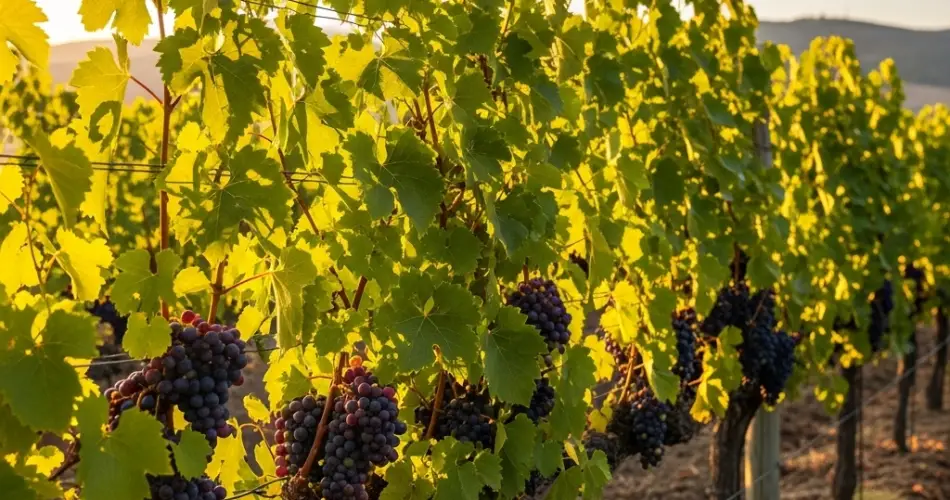
Grapes are among the most rewarding plants to grow at home. Whether you’re dreaming of lush vines climbing your garden trellis or fresh clusters of juicy grapes from your backyard, growing grape plants from seed is a satisfying and sustainable way to get started. While many gardeners believe grapes are difficult to propagate from seeds, with the right method, you can germinate dozens—even hundreds—of grape seedlings in just a matter of days.
Here’s a step-by-step guide on how to germinate grape seeds efficiently and increase your chances of success.
Can You Really Grow Grapes from Seed?
Yes, you can absolutely grow grapes from seeds, though it requires patience and proper technique. Keep in mind that grapes grown from seed won’t be identical to the parent plant (due to cross-pollination), but they can still yield healthy, productive vines. This method is ideal for gardeners who enjoy experimenting or want to grow grapes in a more natural and cost-effective way.
Choosing the Right Grapes for Seed Collection
To start, choose grapes that have seeds. Many commercial table grapes are seedless, so be sure to pick a seeded variety—preferably organic or locally grown, to ensure the seeds haven’t been treated to prevent sprouting.
Here’s what to look for:
-
Fully ripe, fresh grapes
-
Seeds that are firm, dark brown, and slightly oval
-
Avoid shriveled or underdeveloped seeds
Remove the seeds gently and rinse them to eliminate any fruit residue.
Step 1: Stratification – Mimicking Nature’s Winter
Grape seeds require a cold period (stratification) to break dormancy. This simulates the natural cycle where seeds lie dormant through winter before germinating in spring.
How to Stratify Grape Seeds:
-
Clean the seeds thoroughly and dry them slightly on a paper towel.
-
Place them in a damp paper towel or mix them with moist sand or sphagnum moss.
-
Put the seeds in a zip-lock bag or airtight container.
-
Store them in the refrigerator (not freezer) at around 1–5°C (34–41°F).
-
Leave them for 6 to 12 weeks.
Check them occasionally to ensure the medium stays moist—not soggy—and remove any moldy seeds.
Step 2: Germination – Bringing the Seeds to Life
After the stratification period, it’s time to encourage germination.
Materials Needed:
-
Seedling trays or small pots
-
Seed-starting mix or well-draining soil
-
Spray bottle for watering
Germination Process:
-
Fill your containers with seed-starting mix.
-
Plant each seed about 1–1.5 cm (½ inch) deep.
-
Water gently to moisten the soil.
-
Cover the tray with a plastic dome or place it in a warm, humid location (20–25°C or 68–77°F).
-
Provide indirect light or place under grow lights if indoors.
Seeds typically sprout within 2 to 4 weeks after being removed from cold storage. Some may take longer, so be patient.
Step 3: Caring for Seedlings
Once your grape seeds germinate, it’s important to care for the seedlings properly so they grow into strong, viable vines.
Key Tips:
-
Lighting: Ensure at least 6 hours of indirect sunlight daily or use a grow light.
-
Watering: Keep the soil slightly moist but not soggy.
-
Air circulation: Good airflow reduces the risk of mold and damping-off disease.
-
Thinning: Once seedlings develop their first true leaves, thin out weaker ones to allow space for the strongest plants to thrive.
When seedlings reach about 10–15 cm (4–6 inches) in height and temperatures are consistently mild, they can be transplanted outdoors.
Step 4: Transplanting to the Garden
Grapevines prefer full sun, well-drained soil, and support for climbing. Prepare your garden space before transplanting:
-
Choose a sunny spot with good air circulation.
-
Add compost or organic matter to improve soil structure.
-
Space each plant 1.5–2 meters (5–6 feet) apart to allow room for growth.
-
Water well after planting and mulch around the base to retain moisture.
Install a trellis or arbor early to guide the vines as they grow.
Additional Tips for Success
-
Patience pays off: Grapevines grown from seed may take 2–3 years to start producing fruit.
-
Prune annually to encourage fruiting and manage vine growth.
-
Protect young plants from extreme temperatures and pests in their first year.
-
Label your seedlings if you’re experimenting with seeds from different grape varieties.
Final Thoughts
Germinating grape seeds might seem like a slow process, but it’s a highly rewarding way to grow your own vines at home. By mimicking nature’s cold cycle and providing the right conditions for germination, you can enjoy the thrill of watching dozens of grape plants sprout and thrive under your care.
Whether you’re cultivating grapes for their fruit, foliage, or simply the joy of nurturing a plant from seed to harvest, this method offers a sustainable and satisfying gardening journey.


