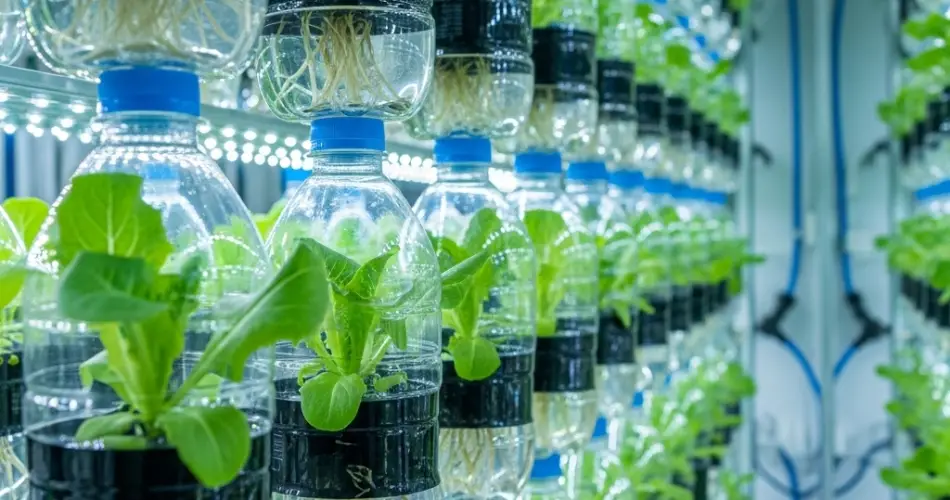
Growing baby lettuce at home doesn’t have to require garden beds, large pots, or a big space. With just a few plastic bottles, you can create a compact, efficient setup that produces fresh, crisp greens right on your balcony, windowsill, or kitchen counter. This method is simple, budget-friendly, and works year-round, making it ideal for urban gardeners or anyone looking to harvest their own lettuce without much hassle.
Why Use Bottles for Lettuce?
Plastic bottles make excellent containers for small leafy greens because they’re easy to cut, shape, and position in small areas. They also help conserve water by preventing excess runoff and can be reused multiple times, which is an eco-friendly bonus. Baby lettuce varieties, with their shallow roots and fast growth, are perfectly suited to these small planters.
Choosing the Right Lettuce Variety
For bottle growing, opt for loose-leaf or baby leaf varieties rather than head-forming lettuces. Types such as Black Seeded Simpson, Buttercrunch, Oak Leaf, and Red Romaine perform especially well. They grow quickly, can be harvested repeatedly, and don’t require deep soil.
Preparing the Bottles
-
Select Your Bottles – Use clear or semi-transparent bottles of 1.5 to 2 liters. Make sure they’re clean and free of labels.
-
Cut the Bottle – Cut horizontally about one-third from the top. The top portion will act as a funnel for watering, and the bottom part will serve as the planter.
-
Create Drainage Holes – Poke 4–6 small holes in the base for proper water drainage. Without drainage, lettuce roots can rot.
-
Optional Wick System – If you prefer low-maintenance watering, thread a cotton rope or shoelace through the bottle neck to act as a wick, pulling water from a reservoir into the soil.
Preparing the Growing Medium
Lettuce thrives in light, well-draining soil. Use a mix of:
-
50% potting soil
-
30% coco coir or peat moss
-
20% compost or worm castings
Avoid heavy garden soil, which can compact in a bottle and reduce root oxygen. For extra nutrition, mix in a small amount of slow-release organic fertilizer before planting.
Planting Baby Lettuce in Bottles
-
Fill the Planter – Add the prepared soil mix to the bottle base, leaving about 3 cm from the rim.
-
Sow Seeds – Scatter 10–15 seeds evenly across the surface. Baby lettuce doesn’t need to be spaced far apart since you’ll harvest them young.
-
Cover Lightly – Sprinkle a thin layer of soil over the seeds, just enough to cover them.
-
Water Gently – Moisten the soil using a spray bottle or by pouring water slowly to avoid washing away seeds.
Placement and Light
Lettuce needs at least 4–6 hours of indirect sunlight per day. Place your bottles near a bright window, balcony, or in a shaded outdoor area where they won’t get harsh midday sun, which can cause bolting. In low-light indoor areas, consider supplementing with a small LED grow light.
Watering and Care
-
Watering Frequency – Keep the soil consistently moist but not waterlogged. Bottles dry out faster than larger pots, so check moisture daily.
-
Fertilizing – Once seedlings have 2–3 true leaves, feed them every two weeks with a diluted liquid organic fertilizer to promote healthy growth.
-
Thinning – If seedlings are overcrowded, snip some at the base and use them in salads. This allows the remaining plants more room to grow.
Harvesting Baby Lettuce
Baby lettuce is ready to harvest in about 25–30 days from sowing. You can use the cut-and-come-again method by snipping outer leaves 2–3 cm above the base, leaving the center to regrow. This way, you can harvest from the same plant several times before it eventually stops producing.
Troubleshooting Common Issues
-
Leggy Seedlings – Caused by insufficient light. Move your bottles to a brighter location.
-
Yellow Leaves – Often a sign of overwatering or nutrient deficiency. Adjust watering and fertilize as needed.
-
Bolting – Hot temperatures or prolonged direct sun can cause lettuce to flower and turn bitter. Keep bottles in cooler, shaded spots during heatwaves.
Benefits of the Bottle Method
-
Space-saving—perfect for balconies, windowsills, or kitchen counters
-
Minimal water usage compared to traditional garden beds
-
Low cost—uses recycled materials
-
Portable—easy to move to better light or away from harsh weather
-
Year-round growing potential with indoor setups
Final Tips for Success
Start new bottles every two weeks to enjoy a continuous supply of fresh baby lettuce. Rotate bottles between sunny and shaded spots if you live in a hot climate to prevent heat stress. Always keep an eye on moisture levels, as bottle planters dry out quickly. With this simple method, you can enjoy fresh, homegrown greens in a very small space and with very little effort.
Fresh baby lettuce is only a few weeks away—grab a couple of bottles, some seeds, and get started today.


