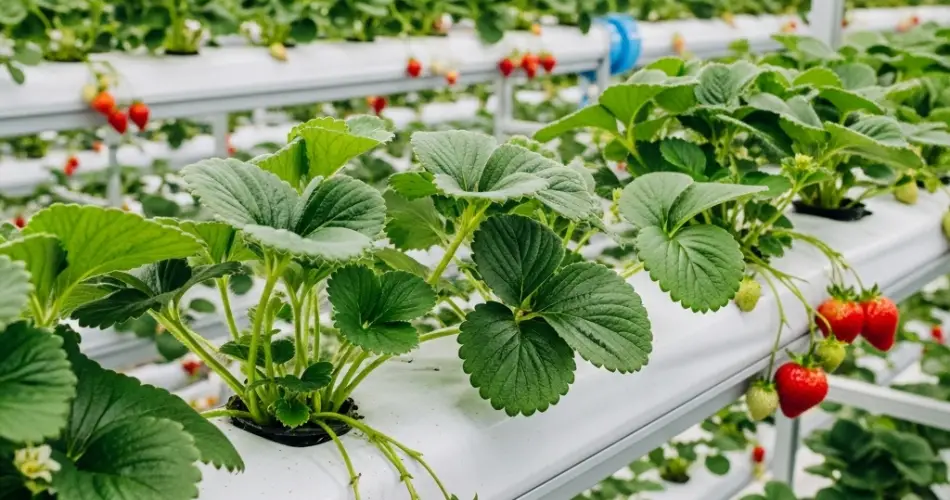
Hydroponics is a soil-free method of growing plants that uses nutrient-rich water solutions to provide everything plants need to thrive. This innovative technique is gaining popularity among urban gardeners because it allows you to cultivate fresh, healthy plants even in limited spaces, without soil mess or complicated equipment.
If you’re looking to start a simple, effective, and space-saving garden at home, learning how to grow plants in water using homemade hydroponics is a fantastic choice. This article will guide you through the basics of hydroponic cultivation, focusing on strawberries as a popular example, and explain how you can set up your own hydroponic system easily.
What Is Hydroponic Cultivation?
Hydroponics involves growing plants in a water-based nutrient solution instead of traditional soil. This method delivers minerals and nutrients directly to the roots, accelerating growth and improving plant health.
Benefits of hydroponic gardening include:
-
Faster plant growth due to optimal nutrient delivery.
-
Efficient use of water and nutrients.
-
No soil-borne diseases or pests.
-
Ideal for small urban spaces like balconies or windowsills.
-
Cleaner and easier to manage than traditional soil gardening.
Why Grow Strawberries Hydroponically?
Strawberries are one of the most rewarding crops to grow hydroponically because:
-
They have shallow roots that adapt well to water culture.
-
Hydroponic strawberries often produce sweeter, larger fruits faster than soil-grown counterparts.
-
You can enjoy fresh berries year-round indoors with proper light.
-
Growing in water reduces problems with soil pests like slugs or fungal diseases.
How to Set Up a Simple Hydroponic System at Home
You don’t need expensive equipment to start hydroponics. Here’s a straightforward way to grow strawberries or other plants in water:
Materials Needed:
-
A container or jar (glass or plastic)
-
Clean water (preferably filtered or distilled)
-
Liquid hydroponic nutrient solution (available online or at garden centers)
-
Net pots, sponges, or foam to support the plants
-
Strawberry seedlings or cuttings ready for propagation
-
Optional: Grow light if natural light is insufficient
Step 1: Prepare the Container and Support
Fill your container with water and add the recommended amount of hydroponic nutrients according to the product instructions.
Place a net pot or foam piece to hold the plant above the water, ensuring the roots will dangle directly into the nutrient solution. This setup allows roots to access oxygen and nutrients simultaneously.
Step 2: Prepare the Plants
If using seedlings, gently wash soil off their roots and trim any damaged root tips.
If propagating from cuttings, place healthy strawberry runners or leaf cuttings in water until roots form, then transfer to the hydroponic setup.
Caring for Your Hydroponic Strawberries
-
Light: Provide at least 6-8 hours of bright, indirect sunlight daily. If indoors with limited natural light, use a full-spectrum grow light.
-
Temperature: Keep plants in a stable environment between 65°F and 75°F (18°C – 24°C).
-
Nutrients: Change the nutrient solution every 1-2 weeks to prevent buildup of salts and maintain oxygen levels.
-
Water Levels: Keep roots submerged but allow air exchange; adding an air stone or small aquarium pump can improve oxygenation.
-
Pest Monitoring: Although hydroponics reduces pests, watch for common houseplant pests like aphids and spider mites.
Tips to Expand Hydroponics Beyond Strawberries
Hydroponic cultivation isn’t limited to strawberries — you can grow a wide variety of plants including:
-
Leafy greens like lettuce, spinach, and kale.
-
Herbs such as basil, mint, and cilantro.
-
Tomatoes, peppers, and cucumbers with appropriate support.
-
Flowering plants and succulents in modified systems.
Each plant may have slightly different nutrient and light requirements, so tailor your setup accordingly.
Advantages of Hydroponic Urban Gardening
-
Space-Saving: Perfect for apartments, balconies, or small patios.
-
Cleaner: No soil dirt or weeds.
-
Water Efficient: Uses less water than traditional gardening because water is recirculated.
-
Year-Round Harvest: Controlled environment reduces seasonal constraints.
-
Increased Yields: Plants grow faster and often produce more.
Common Challenges and How to Overcome Them
-
Nutrient Imbalance: Always use a quality hydroponic nutrient mix and monitor pH levels (ideal pH 5.5-6.5).
-
Root Rot: Avoid stagnant water by ensuring oxygen reaches roots; use aeration devices if needed.
-
Lighting: Insufficient light slows growth; supplement with grow lights during darker months.
-
Temperature Fluctuations: Keep plants away from drafts or direct heat sources.
Final Thoughts
Starting a hydroponic garden at home is easier than you might think. With just a few materials and a little care, you can grow delicious strawberries and many other plants in water, turning any small space into a productive urban garden.
Hydroponics offers a sustainable, efficient, and rewarding way to cultivate fresh produce, reduce reliance on soil, and enjoy gardening year-round. Whether you’re a beginner or an experienced grower, this method opens up exciting possibilities for your home garden.
Give hydroponic cultivation a try and watch your plants thrive in water!


