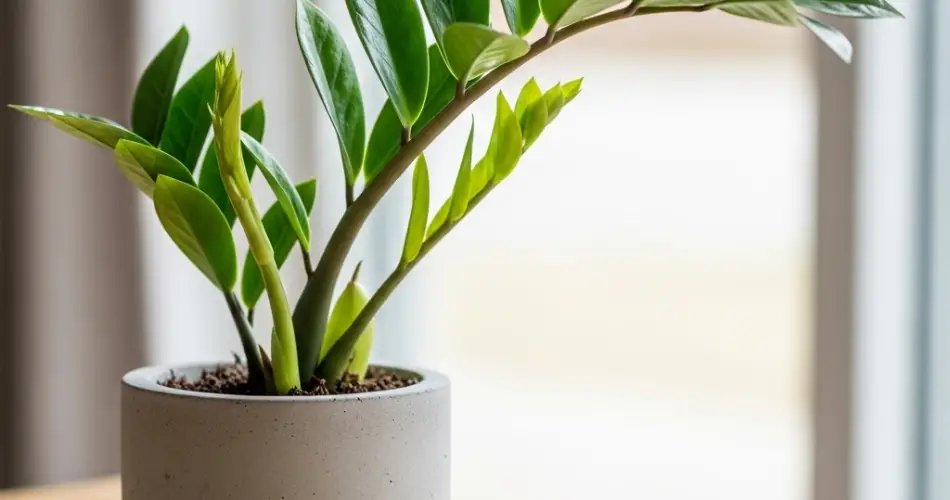
ZZ plants (Zamioculcas zamiifolia) are well-loved for their glossy leaves, tolerance for neglect, and air-purifying qualities. They’re not only easy to care for but also great candidates for indoor décor thanks to their upright, architectural growth. If you’re looking to expand your collection or share cuttings with friends, ZZ plants are also surprisingly simple to propagate. By combining the right pot choices with effective propagation methods, you can grow and multiply ZZ plants in style.
Here’s a complete guide to growing and multiplying ZZ plants using attractive pots indoors.
Choosing the Right Pot for Healthy Growth
The container you use plays a critical role in maintaining the health and appearance of your ZZ plant. These plants have thick rhizomes that store water, so drainage is key. Choose pots with at least one drainage hole at the bottom. Excess moisture leads to root rot, one of the few ways ZZ plants can suffer indoors.
For both functional and aesthetic purposes, consider these popular pot materials:
-
Terracotta: Breathable and excellent at preventing water buildup, but may dry out faster.
-
Plastic: Lightweight and retains moisture well; best for dry climates or careful watering.
-
Ceramic (with drainage): Offers a stylish look and stable base, ideal for display.
-
Decorative cachepots: You can keep the plant in a plastic nursery pot inside a stylish outer container to combine beauty and practicality.
As for size, avoid oversized pots that hold too much water. A pot just 1–2 inches wider than the current root ball is ideal. ZZ plants prefer to be slightly root-bound, so there’s no need to size up unless the plant is clearly outgrowing its container.
Ideal Conditions for Indoor Growth
ZZ plants tolerate a variety of conditions, making them perfect for homes and offices. However, providing slightly better-than-basic care will result in more robust foliage and quicker propagation success.
-
Light: Bright, indirect light is best. ZZ plants also do fine in low light, though growth will be slower.
-
Watering: Allow the soil to dry out completely between waterings. These plants are drought-tolerant and overwatering is a common mistake.
-
Humidity: Average indoor humidity is sufficient, but they’ll also thrive with a little extra moisture in the air.
-
Soil: Use a well-draining mix—cactus or succulent soil works well. You can amend regular potting soil with perlite or sand.
How to Propagate ZZ Plants Successfully
There are several propagation methods for ZZ plants, and each can be done indoors with minimal tools. The key is patience, as ZZ propagation can take weeks or even months to show results.
1. Leaf Cuttings in Soil
-
Cut off healthy leaves at the base of the stalk.
-
Let the leaves dry for a day to form a callus.
-
Insert them slightly into moist, well-draining soil.
-
Place the pot in a warm, bright location out of direct sunlight.
-
Mist occasionally to maintain humidity, but don’t overwater.
Over time, small rhizomes will form at the base of each leaf. This method takes the longest but is great for producing multiple plants from a single parent.
2. Stem Cuttings in Water
-
Use a sharp knife or scissors to cut a stem with at least two leaves.
-
Place the cutting in a jar of clean water.
-
Change the water weekly and keep the jar in indirect light.
-
Roots will start to form after several weeks, and you can pot the cutting once roots are at least 1–2 inches long.
This method lets you watch the roots develop and is a favorite for visual learners.
3. Division of Rhizomes
If your ZZ plant is large and well-established, you can divide it during repotting.
-
Gently remove the plant from its pot and shake off excess soil.
-
Use your hands or a sterile knife to separate the rhizomes.
-
Each division should have at least one stalk and a healthy rhizome.
-
Repot each section into its own container with fresh soil.
This is the fastest way to get more plants and can be done every couple of years during spring or early summer.
Stylish Ways to Display Your ZZ Plants
Once you’ve propagated your ZZ plant, choosing the right pot is the final step in showing off your greenery. Here are a few indoor styling tips:
-
Groupings: Display multiple ZZ plants of varying sizes together for a lush, layered effect.
-
Hanging pots: Use hanging planters for stem cuttings rooted in water, then transfer them to soil later.
-
Shelf décor: Compact leaf-cutting pots look great on bookshelves or plant stands.
-
Color contrast: Choose pots in white, black, gold, or green to complement the ZZ plant’s deep green leaves.
Final Tips
ZZ plants may grow slowly, but their beauty and resilience make them well worth the wait. By using well-draining soil, choosing the right pots, and mastering propagation methods, you’ll have plenty of healthy ZZ plants to spread throughout your home—or share with fellow plant lovers. Whether you’re decorating a cozy corner or filling an office with greenery, stylish pots combined with proper care will help your ZZ plants flourish.


